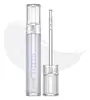
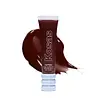
Romand Glasting Water Gloss Versus Kosas Lip Pulse


What's inside
What's inside
 Key Ingredients
Benefits
Concerns
Ingredients Side-by-side
Hydrogenated Polyisobutene
EmollientDiisostearyl Malate
EmollientOctyldodecanol
Emollient
Caprylic/Capric Triglyceride
Masking


Ethylhexyl Hydroxystearate
Emollient

Menthyl Lactate
Masking
Silica Dimethyl Silylate
Emollient1,2-Hexanediol
Skin Conditioning
Dextrin Palmitate
Emulsifying
Dibutyl Lauroyl Glutamide
Skin ConditioningDibutyl Ethylhexanoyl Glutamide
Skin ConditioningParfum
Masking



Calcium Sodium Borosilicate
Titanium Dioxide
Cosmetic Colorant

Tin Oxide
Abrasive
Anemarrhena Asphodeloides Root Extract
Skin Conditioning
Prunus Amygdalus Dulcis Oil
Skin Conditioning

Hydrogenated Polyisobutene, Diisostearyl Malate, Octyldodecanol, Caprylic/Capric Triglyceride, Ethylhexyl Hydroxystearate, Menthyl Lactate, Silica Dimethyl Silylate, 1,2-Hexanediol, Dextrin Palmitate, Dibutyl Lauroyl Glutamide, Dibutyl Ethylhexanoyl Glutamide, Parfum, Calcium Sodium Borosilicate, Titanium Dioxide, Tin Oxide, Anemarrhena Asphodeloides Root Extract, Prunus Amygdalus Dulcis Oil
Polybutene
Hydrogenated Polyisobutene
EmollientOctyldodecyl Stearoyl Stearate
Emollient
Tridecyl Trimellitate
EmollientDextrin Palmitate
Emulsifying
Dextrin Palmitate/Ethylhexanoate
Emulsifying
Menthyl Nicotinate
HumectantHelianthus Annuus Seed Oil Unsaponifiables
Emollient
Menthyl Lactate
Masking
Methyl Nicotinate
SoothingPentaerythrityl Tetra-Di-T-Butyl Hydroxyhydrocinnamate
Antioxidant
Pentaerythrityl Tetraisostearate
Emollient
Vanillyl Butyl Ether
MaskingCanola Oil
Emollient
Capsicum Frutescens Fruit Extract
Skin Conditioning
Zingiber Officinale Root Oil
Masking
Menthol
Masking

Vanillin
Masking
Parfum
Masking
CI 19140
Cosmetic ColorantCI 42090
Cosmetic ColorantCI 45410
Cosmetic ColorantIron Oxides
Polybutene, Hydrogenated Polyisobutene, Octyldodecyl Stearoyl Stearate, Tridecyl Trimellitate, Dextrin Palmitate, Dextrin Palmitate/Ethylhexanoate, Menthyl Nicotinate, Helianthus Annuus Seed Oil Unsaponifiables, Menthyl Lactate, Methyl Nicotinate, Pentaerythrityl Tetra-Di-T-Butyl Hydroxyhydrocinnamate, Pentaerythrityl Tetraisostearate, Vanillyl Butyl Ether, Canola Oil, Capsicum Frutescens Fruit Extract, Zingiber Officinale Root Oil, Menthol, Vanillin, Parfum, CI 19140, CI 42090, CI 45410, Iron Oxides
Reviews
Ingredients Explained
These ingredients are found in both products.
Ingredients higher up in an ingredient list are typically present in a larger amount.
Dextrin Palmitate is an oil-loving texture helper made by bonding palmitic acid onto Dextrin. It's main roles are to turn liquid oils into spreadable gels and prevent ingredients from separating.
It also lends a silky, non-greasy slip that makes products feel more elegant.
Typical use concentrations range from 0.5-5%, but can go up to 10% depending on how firm the gel is.
Because it's an ester built on a fatty acid, it may not be fungal acne safe.
Learn more about Dextrin PalmitateHydrogenated Polyisobutene is a synthetic polymer. Polymers are compounds with high molecular weight. Hydrogenated Polyisobutene is an emollient and texture enhancer.
In one study, Hydrogenated Polyisobutene showed better skin hydration levels than Caprylic/Capric Triglyceride. As an emollient, it helps keep your skin soft and hydrated by trapping moisture in.
Hydrogenated Polyisobutene is often used as a mineral oil replacement.
Learn more about Hydrogenated PolyisobuteneMenthyl lactate is an ester of menthol and lactic acid. It is often used as a cooling agent and fragrance.
When applied topically, this ingredient leaves a refreshing sensation like menthol, but is less irritating.
Parfum is a catch-all term for an ingredient or more that is used to give a scent to products.
Also called "fragrance", this ingredient can be a blend of hundreds of chemicals or plant oils. This means every product with "fragrance" or "parfum" in the ingredients list is a different mixture.
For instance, Habanolide is a proprietary trade name for a specific aroma chemical. When used as a fragrance ingredient in cosmetics, most aroma chemicals fall under the broad labeling category of “FRAGRANCE” or “PARFUM” according to EU and US regulations.
The term 'parfum' or 'fragrance' is not regulated in many countries. In many cases, it is up to the brand to define this term.
For instance, many brands choose to label themselves as "fragrance-free" because they are not using synthetic fragrances. However, their products may still contain ingredients such as essential oils that are considered a fragrance by INCI standards.
One example is Calendula flower extract. Calendula is an essential oil that still imparts a scent or 'fragrance'.
Depending on the blend, the ingredients in the mixture can cause allergies and sensitivities on the skin. Some ingredients that are known EU allergens include linalool and citronellol.
Parfum can also be used to mask or cover an unpleasant scent.
The bottom line is: not all fragrances/parfum/ingredients are created equally. If you are worried about fragrances, we recommend taking a closer look at an ingredient. And of course, we always recommend speaking with a professional.
Learn more about Parfum

