

What's inside
What's inside
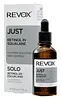 Key Ingredients
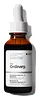
Benefits
Concerns
No concerns
Ingredients Side-by-side

Water
Skin ConditioningGlycerin
Humectant


Caprylic/Capric Triglyceride
Masking
Ethyl Linoleate
Emollient

Propanediol
Solvent
Dimethyl Isosorbide
SolventCetearyl Isononanoate
Emollient
Bisabolol
Antioxidant


Hydroxypinacolone Retinoate
Skin Conditioning






Retinol
Skin Conditioning

Tasmannia Lanceolata Fruit/Leaf Extract
Antioxidant
Inulin Lauryl Carbamate
Emulsion StabilisingGlyceryl Stearate
Emollient
Ceteareth-12
EmulsifyingCeteareth-20
CleansingCetearyl Alcohol
Emollient

Carrageenan
Xanthan Gum
EmulsifyingAcacia Senegal Gum
MaskingCetyl Palmitate
Emollient
Sucrose Laurate
Emollient
Polysorbate 20
Emulsifying
Isoceteth-20
EmulsifyingRosmarinus Officinalis Leaf Extract
AntimicrobialHydroxymethoxyphenyl Decanone
Skin ConditioningBehentrimonium Chloride
Preservative
Trisodium Ethylenediamine Disuccinate
Disodium EDTA
Dehydroacetic Acid
Preservative
Benzoic Acid
Masking
Ethylhexylglycerin
Skin ConditioningPhenoxyethanol
Preservative
Chlorphenesin
Antimicrobial
Water, Glycerin, Caprylic/Capric Triglyceride, Ethyl Linoleate, Propanediol, Dimethyl Isosorbide, Cetearyl Isononanoate, Bisabolol, Hydroxypinacolone Retinoate, Retinol, Tasmannia Lanceolata Fruit/Leaf Extract, Inulin Lauryl Carbamate, Glyceryl Stearate, Ceteareth-12, Ceteareth-20, Cetearyl Alcohol, Carrageenan, Xanthan Gum, Acacia Senegal Gum, Cetyl Palmitate, Sucrose Laurate, Polysorbate 20, Isoceteth-20, Rosmarinus Officinalis Leaf Extract, Hydroxymethoxyphenyl Decanone, Behentrimonium Chloride, Trisodium Ethylenediamine Disuccinate, Disodium EDTA, Dehydroacetic Acid, Benzoic Acid, Ethylhexylglycerin, Phenoxyethanol, Chlorphenesin
Reviews
Ingredients Explained
These ingredients are found in both products.
Ingredients higher up in an ingredient list are typically present in a larger amount.
Caprylic/Capric Triglyceride (aka MCT Oil) is a lightweight emollient, solvent, and texture enhancer. It is considered a skin-softener by helping to prevent moisture loss.
Though it behaves like an oil, it is not technically one due to its chemical composition. One perk of this ingredient is that it is very stable, resistant to oxidation, and unlikely to go rancid.
In practice, that translates to a long shelf life and a consistently elegant skin feel.
While there is an assumption Caprylic Triglyceride can clog pores due to it being derived from coconut oil, there is no research supporting this. Just patch test if you have concerns.
Fractionated coconut oil and MCT Oil are both listed as Caprylic/Capric Triglyceride according to INCI. This is because INCI names are based on the ingredient’s final chemical composition and not its marketing name or source.
This ingredient is treated as the gold standard fungal acne safe oil. Even though it is coconut derived, the problematic lauric acid is stripped out.
This leaves just caprylic (C8) and capric (C10) acid. These chain lengths actually trend antifungal; a 2020 study found caprylic acid was enough to disrupt Malassezia furfur cell membrane, with a caprylic acid derivative damaging membrane structures at concentrations as low as 0.2%.
Learn more about Caprylic/Capric Triglyceride
