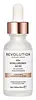
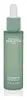
Revolution Beauty 2% Hyaluronic Acid Hydrating Serum Versus Aloe Attiva 4x Powerlixir Hydrating Serum
This hydrating serum is formulated around Sodium Hyaluronate and Sodium Hyaluronate Crosspolymer to hydrate skin and strengthen the skin barrier.
This hydrating serum is formulated around Sodium Hyaluronate and Beta-Glucan to hydrate skin and strengthen the skin barrier.


What's inside
What's inside
 Key Ingredients
Benefits
Concerns
No concerns
Ingredients Side-by-side
Hydrolyzed Aloe Barbadensis Leaf Juice
Skin ConditioningPentylene Glycol
Skin Conditioning
Propanediol
Solvent
Glycerin
Humectant
Sodium Hyaluronate
Humectant


Hydrolyzed Hyaluronic Acid
Humectant
Sodium Hyaluronate Crosspolymer
Humectant
Acetyl Glucosamine
Skin Conditioning

Hydrolyzed Glycosaminoglycans
HumectantAcacia Seyal Gum Extract
HumectantEchinacea Angustifolia Meristem Cell Culture
Skin ConditioningSodium Polyglutamate
HumectantAmorphophallus Konjac Root Extract
HumectantAnogeissus Leiocarpa Bark Extract
Skin ConditioningBeta-Glucan
Skin Conditioning
Ulva Lactuca Extract
Skin ConditioningCellulose
Absorbent
Silica Dimethyl Silylate
EmollientEthylhexyl Palmitate
Emollient




Butylene Glycol
Humectant
Xanthan Gum
EmulsifyingPhenoxyethanol
Preservative
Sodium Benzoate
Masking
Citric Acid
Buffering
Potassium Sorbate
Preservative
Sodium Hydroxide
BufferingHydrolyzed Aloe Barbadensis Leaf Juice, Pentylene Glycol, Propanediol, Glycerin, Sodium Hyaluronate, Hydrolyzed Hyaluronic Acid, Sodium Hyaluronate Crosspolymer, Acetyl Glucosamine, Hydrolyzed Glycosaminoglycans, Acacia Seyal Gum Extract, Echinacea Angustifolia Meristem Cell Culture, Sodium Polyglutamate, Amorphophallus Konjac Root Extract, Anogeissus Leiocarpa Bark Extract, Beta-Glucan, Ulva Lactuca Extract, Cellulose, Silica Dimethyl Silylate, Ethylhexyl Palmitate, Butylene Glycol, Xanthan Gum, Phenoxyethanol, Sodium Benzoate, Citric Acid, Potassium Sorbate, Sodium Hydroxide
Ingredients Explained
These ingredients are found in both products.
Ingredients higher up in an ingredient list are typically present in a larger amount.
Butylene Glycol (or BG) is used within cosmetic products for a few different reasons:
Overall, Butylene Glycol is a safe and well-rounded ingredient that works well with other ingredients.
Though this ingredient works well with most skin types, some people with sensitive skin may experience a reaction such as allergic rashes, closed comedones, or itchiness.
Learn more about Butylene GlycolGlycerin (or glycerol) is a compound naturally found in your skin. It's a powerhouse humectant that pulls water into the stratum corneum.
Topically, glycerin does several things at once:
Your skin makes glycerin on its own (mostly from sebaceous oil breakdown) and shuttles it to your outermost layer of skin, or your epidermis, via aquaporin-3.
Aquaporin-3 is a transporter that is essential for normal skin hydration, elasticity, and repair. Interestingly, mice lacking in AQP3 have dry and less elastic skin that can be fully corrected with glycerin.
This ingredient is non-irritating, plays well with almost every ingredient, and works across all skin types. Typical use is anywhere between 3-10% but can go up to 79% in some leave-on products.
Just know very high concentrations (>40%) can feel tacky in low humidity.
Glycerin is the name for this ingredient in American English. British English uses Glycerol/Glycerine.
Learn more about GlycerinPentylene Glycol (1,2-pentanediol) is a multitasking little diol with three main roles in a formula:
Research on alkanediols (the family pentylene glycol belongs to) show they work by disrupting microbial cell membranes. This disruption helps the primary preservative system in a product work more effectively at lower doses.
On the safety side, the Cosmetic Ingredient Review Expert Panel has concluded this ingredient to be safe as used in current cosmetic practices + concentrations.
Typical use levels in a formula run about 1-5%.
Learn more about Pentylene GlycolPotassium Sorbate is a preservative used to prevent yeast and mold in products. It is commonly found in both cosmetic and food products.
This ingredient comes from potassium salt derived from sorbic acid. Sorbic acid is a natural antibiotic and effective against fungus.
Both potassium sorbate and sorbic acid can be found in baked goods, cheeses, dried meats, dried fruit, ice cream, pickles, wine, yogurt, and more.
You'll often find this ingredient used with other preservatives.
Learn more about Potassium SorbatePropanediol is an all-star ingredient. It softens, hydrates, and smooths the skin.
It’s often used to:
Propanediol is not likely to cause sensitivity and considered safe to use. It is derived from corn or petroleum with a clear color and no scent.
Learn more about PropanediolSodium Benzoate is a preservative. It's used in both cosmetic and food products to inhibit the growth of mold and bacteria. It is typically produced synthetically.
Both the US FDA and EU Health Committee have approved the use of sodium benzoate. In the US, levels of 0.1% (of the total product) are allowed.
Sodium benzoate works as a preservative by inhibiting the growth of bacteria inside of cells. It prevents the cell from fermenting a type of sugar using an enzyme called phosphofructokinase.
It is the salt of benzoic acid. Foods containing sodium benzoate include soda, salad dressings, condiments, fruit juices, wines, and snack foods.
Studies for using ascorbic acid and sodium benzoate in cosmetics are lacking, especially in skincare routines with multiple steps.
We always recommend speaking with a professional, such as a dermatologist, if you have any concerns.
Learn more about Sodium BenzoateSodium Hyaluronate is the salt form of hyaluronic acid. It is a long sugar chain that is naturally found in your skin, joints, and connective tissue that maintains hydration and elasticity.
In skincare, it works as a humectant. It pulls water from the environment and deeper layers of skin and binds it to the surface.
Interestingly, the size of the molecule affects its behavior:
Some clinical evidence links low molecular weight versions to improved wrinkle depth, elasticity, anti-inflammatory effects, and barrier repair.
Many serums use a blend of both weights so you can get surface hydration plus longer-lasting and deeper effects.
You'll typically see concentrations between 0.1-2% for this ingredient.
Learn more about Sodium HyaluronateSodium Hyaluronate Crosspolymer is a crosslinked version of sodium hyaluronate. This just means it's linked into a 3D mesh network that lets it be more stable and sit on skin as a cohesive, gel-like film rather than sinking into skin.
A 2016 human skin study found crosslinked HA increased epidermal water content by 7.6% over the control group and reduced transepidermal water loss by 27.8%.
A follow-up clinical trial found that a topical crosslinked HA serum applied after fillers, microneedling, or chemical peels was well-tolerated and enhanced skin quality at 14 / 28 days.
More recent research suggests that concentrations as low as 0.03% can act as a penetration enhancer for other skincare actives.
Learn more about Sodium Hyaluronate Crosspolymer

