

What's inside
What's inside
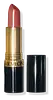 Key Ingredients
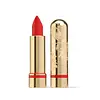
Benefits
Concerns
Ingredients Side-by-side
Trioctyldodecyl Citrate
EmollientOzokerite
Emulsion StabilisingPolybutene
Ethylhexyl Palmitate
Emollient




Octyldodecyl Neopentanoate
EmollientPentaerythrityl Tetraisostearate
Emollient
C10-30 Cholesterol/Lanosterol Esters
Emulsifying
Bis-Diglyceryl Polyacyladipate-2
Emollient
Cera Microcristallina
Emulsion StabilisingCaprylic/Capric/Stearic Triglyceride
Skin ConditioningBeeswax
Emulsion Stabilising
Silica
Abrasive


Synthetic Wax
Abrasive
Tocopheryl Acetate
Antioxidant


Ascorbyl Palmitate
Antioxidant

Aloe Barbadensis Leaf Extract
Emollient

Serica
HumectantPentaerythrityl Tetraethylhexanoate
Emollient
Caprylyl Glycol
Emollient
1,2-Hexanediol
Skin Conditioning
Mica
Cosmetic ColorantCI 77891
Cosmetic ColorantCI 77491
Cosmetic ColorantCI 77492
Cosmetic ColorantCI 77499
Cosmetic ColorantCI 17200
Cosmetic ColorantCI 19140
Cosmetic ColorantCI 15985
Cosmetic ColorantCI 42090
Cosmetic ColorantCI 15850
Cosmetic ColorantCI 45410
Cosmetic ColorantCI 77163
Cosmetic Colorant
CI 75470
Cosmetic ColorantTrioctyldodecyl Citrate, Ozokerite, Polybutene, Ethylhexyl Palmitate, Octyldodecyl Neopentanoate, Pentaerythrityl Tetraisostearate, C10-30 Cholesterol/Lanosterol Esters, Bis-Diglyceryl Polyacyladipate-2, Cera Microcristallina, Caprylic/Capric/Stearic Triglyceride, Beeswax, Silica, Synthetic Wax, Tocopheryl Acetate, Ascorbyl Palmitate, Aloe Barbadensis Leaf Extract, Serica, Pentaerythrityl Tetraethylhexanoate, Caprylyl Glycol, 1,2-Hexanediol, Mica, CI 77891, CI 77491, CI 77492, CI 77499, CI 17200, CI 19140, CI 15985, CI 42090, CI 15850, CI 45410, CI 77163, CI 75470
Caprylic/Capric Triglyceride
Masking

Trioctyldodecyl Citrate
EmollientOzokerite
Emulsion StabilisingOctyldodecanol
Emollient
Kaolin
Abrasive
Squalane
Emollient
Microcrystalline Wax
Emulsion StabilisingBeeswax
Emulsion Stabilising
Bis-Diglyceryl Polyacyladipate-2
Emollient
Cetyl Palmitate
Emollient
Diisostearyl Malate
EmollientCopernicia Cerifera Wax
Euphorbia Cerifera Wax
Trihydroxystearin
Skin Conditioning
Mica
Cosmetic ColorantPhenoxyethanol
Preservative
Vanillin
Masking

Tocopheryl Acetate
Antioxidant
Ethylhexylglycerin
Skin ConditioningCI 77499
Cosmetic ColorantCI 77491
Cosmetic ColorantCI 77492
Cosmetic ColorantCI 15850
Cosmetic ColorantCI 77891
Cosmetic ColorantCI 45410
Cosmetic ColorantCI 19140
Cosmetic ColorantCaprylic/Capric Triglyceride, Trioctyldodecyl Citrate, Ozokerite, Octyldodecanol, Kaolin, Squalane, Microcrystalline Wax, Beeswax, Bis-Diglyceryl Polyacyladipate-2, Cetyl Palmitate, Diisostearyl Malate, Copernicia Cerifera Wax, Euphorbia Cerifera Wax, Trihydroxystearin, Mica, Phenoxyethanol, Vanillin, Tocopheryl Acetate, Ethylhexylglycerin, CI 77499, CI 77491, CI 77492, CI 15850, CI 77891, CI 45410, CI 19140
Reviews
Ingredients Explained
These ingredients are found in both products.
Ingredients higher up in an ingredient list are typically present in a larger amount.
Beeswax is natural wax produced by honey bees to build their honeycomb.
Because it forms a protective layer on your skin, it can help lock in moisture and reduce water loss. It is also widely used as a thickener and emulsifier in lip balms and lotions. Research suggests beeswax containing moisturizers can support skin barrier integrity.
In comedogenic testing, Beeswax scored a 0-2, which is on the low end. Whether or not a product clogs your pores really comes down to the formula as a whole (not any single ingredient on its own) and your skin.
Cera Alba is the white, bleached form of this ingredient.
Just so you know, beeswax is not vegan since it is animal-derived. It cannot be removed with water, but can be taken off with an oil cleanser.
People with a known Propolis allergy also report to have reactions from beeswax.
Beeswax's wax esters are derived primarily from palmitic and oleic acid (C16 and C18:1). Both of these fall within the C11-C24 feeding window.
The Malassezia yeast can potentially cleave these esters and release usable fatty acids, so this ingredient may not be fungal acne safe. However, not everyone will react to this ingredient.
Learn more about BeeswaxBis-Diglyceryl Polyacyladipate-2 is a synthetic emollient that works as a lanolin substitute.
This ingredient is a great vegan option for those avoiding animal-derived ingredients.
It mostly stays on the surface of skin where it helps hydrate due to its large molecular size and low water solubility.
Due to it being derived from fatty acids, this ingredient may not be Malassezia or fungal acne safe.
Learn more about Bis-Diglyceryl Polyacyladipate-2Ci 15850 is the pigment color red. It is an azo dye and created synthetically.
Azo dyes need to be thoroughly purified before use. This allows them to be more stable and longer-lasting.
This ingredient is common in foundations, lipsticks, and blushes. This color is described as brown/orangey red.
It has many secondary names such as Red 6 and Red 7. According to a manufacturer, Red 6 usually contains aluminum.
Learn more about CI 15850CI 19140 is also known as Tartrazine. Tartrazine is a synthetic dye used in cosmetics, foods, and medicine to add a yellow color.
Tartrazine is created from petroleum and is water-soluble.
Some people may experience allergies from this dye, especially asthmatics and those with an aspirin intolerance.
Learn more about CI 19140CI 45410 is a synthetic red-pigment and dye.
It often goes by both Red 28 or Red 27; manufacturers label both ingredients as CI 45410.
This dye is commonly found in makeup because it imparts a vivid color. Some types of this dye change color based on pH level and interaction with moisture:
Your skin has a natural pH of around 4.5 - 5.5.
According to the FDA, CI 45410 is not permitted for use in eye products.
Red 27 is a flourescein dye and commonly used as a fluorescent tracer in medicine.
Learn more about CI 45410Ci 77491 is also hydrated iron III oxide. It's sole purpose is to give a red/pink hue to products.
Iron III oxides are classified as inorganic chemicals for coloring.
Synthetically created Ci 77491 is considered safer than those naturally found. This is because the synthetically created version may contain less impurities. Iron oxides are generally non-toxic and non-allergenic.
Learn more about CI 77491CI 77492 is also hydrated iron III oxide. It's sole purpose is to give a yellow hue to products.
Iron III oxides are classified as inorganic chemicals for coloring.
Synthetically created CI 77492 is considered safer than those naturally found. This is because the synthetically created version may contain less impurities. Iron oxides are generally non-toxic and non-allergenic.
Learn more about CI 77492Ci 77499 is also hydrated iron III oxide. It is created from mixing red and black iron oxides. This helps give shades of darkness to a product.
Iron III oxides are classified as inorganic chemicals for coloring.
Ci 77891 is a white pigment from Titanium dioxide. It is naturally found in minerals such as rutile and ilmenite.
It's main function is to add a white color to cosmetics. It can also be mixed with other colors to create different shades.
Ci 77891 is commonly found in sunscreens due to its ability to block UV rays.
Learn more about CI 77891Mica is a naturally occurring mineral used to add shimmer and color in cosmetics. It can also help improve the texture of a product or give it an opaque, white/silver color.
Serecite is the name for very fine but ragged grains of mica.
This ingredient is often coated with metal oxides like titanium dioxide. Trace amounts of heavy metals may be found in mica, but these metals are not harmful in our personal products.
Mica has been used since prehistoric times throughout the world. Ancient Egyptian, Indian, Greek, Roman, Aztec, and Chinese civilizations have used mica.
Learn more about MicaOzokerite is a naturally occuring mineral wax. In cosmetics, ozokerite is used as a texture enhancer.
Ceresin wax is derived from this ingredient.
The melting point of ozokerite is 58-100 C.
Ozokerite is found all over the world including Scotland, the US, and India.
Learn more about OzokeriteTocopheryl Acetate is a stable, shelf-friendly form of vitamin E.
Formulators love it because plain vitamin E oxidizes quickly once it hits air. This acetate version stays stable and resists going off, helping to extend a product's shelf life.
It's actually inactive on its own and works like a slow-release "storage" form; the enzymes in your skin called esterases gradually convert it into active vitamin E over time.
One in vivo study showed 5% of the acetate in the living layer of the epidermis converted to vitamin E after 5 days of application. This study also found the skin gained protection against UV damage even though the conversion was slow and small.
Once converted, vitamin E acts as a skin's main fat-soluble antioxidant that fights free radicals to protect skin from damage.
Topical vitamin E generally boosts the skin's photoprotection, and it reduced UV-damage in animal models.
This ingredient has some brightening potential but it's more of a prevention ingredient than spot-fader. Cell studies show it can slow down melanin production but it's worth noting that it's not the most powerful brightener out there.
Overall, it has a pretty solid safety profile and has been found to be non-irritating and non-comedogenic. Allergic reactions may happen but stay rare due to how widely the ingredient gets used.
The concentration will vary depending on the formula; industry data shows 0.1% in baby lotions, 3% in lipsticks, and 5% in foot powders. You can also find this ingredient at 100% in a pure vitamin E oil.
Most leave-on skincare keeps it at the lower end, often between 0.5-1%.
Learn more about Tocopheryl AcetateWe don't have a description for Trioctyldodecyl Citrate yet.


