

What's inside
What's inside
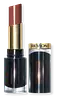 Key Ingredients
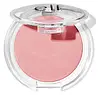
Benefits
Concerns
Ingredients Side-by-side
Polybutene
Diisostearyl Malate
EmollientHydrogenated Polyisobutene
EmollientDiphenylsiloxy Phenyl Trimethicone
Skin Conditioning
Bis-Diglyceryl Polyacyladipate-2
Emollient

Octyldodecyl Neopentanoate
EmollientHydrogenated Polydecene
EmollientDiisopropyl Dimer Dilinoleate
Emollient
C10-30 Cholesterol/Lanosterol Esters
Emulsifying
Ozokerite
Emulsion StabilisingPolyethylene
Abrasive

Synthetic Wax
Abrasive
Silica Silylate
Emollient
Mica
Cosmetic ColorantAloe Barbadensis Leaf Extract
Emollient

Sodium Hyaluronate
Humectant


Quartz
Abrasive
BHT
Antioxidant
Butylene Glycol
Humectant
Caprylyl Glycol
Emollient
Ethylhexyl Palmitate
Emollient
Hexylene Glycol
EmulsifyingPentaerythrityl Tetraethylhexanoate
Emollient
Silica Dimethyl Silylate
EmollientParfum
Masking


Phenoxyethanol
Preservative
Polybutene, Diisostearyl Malate, Hydrogenated Polyisobutene, Diphenylsiloxy Phenyl Trimethicone, Bis-Diglyceryl Polyacyladipate-2, Octyldodecyl Neopentanoate, Hydrogenated Polydecene, Diisopropyl Dimer Dilinoleate, C10-30 Cholesterol/Lanosterol Esters, Ozokerite, Polyethylene, Synthetic Wax, Silica Silylate, Mica, Aloe Barbadensis Leaf Extract, Sodium Hyaluronate, Quartz, BHT, Butylene Glycol, Caprylyl Glycol, Ethylhexyl Palmitate, Hexylene Glycol, Pentaerythrityl Tetraethylhexanoate, Silica Dimethyl Silylate, Parfum, Phenoxyethanol
Talc
Abrasive
Tridecyl Trimellitate
EmollientMagnesium Stearate
Cosmetic ColorantMagnesium Palmitate
Sodium Potassium Aluminum Silicate
Zea Mays Starch
Absorbent
Ethylhexyl Palmitate
Emollient
Dimethicone
Emollient
Phenoxyethanol
Preservative
Caprylyl Glycol
Emollient
Polyisobutene
Paraffinum Liquidum
Emollient
Mica
Cosmetic ColorantCI 77163
Cosmetic Colorant
CI 77891
Cosmetic ColorantCI 77491
Cosmetic ColorantCI 77492
Cosmetic ColorantCI 77499
Cosmetic ColorantCI 77007
Cosmetic ColorantCI 15850
Cosmetic ColorantCI 19140
Cosmetic ColorantCI 16035
Cosmetic ColorantTalc, Tridecyl Trimellitate, Magnesium Stearate, Magnesium Palmitate, Sodium Potassium Aluminum Silicate, Zea Mays Starch, Ethylhexyl Palmitate, Dimethicone, Phenoxyethanol, Caprylyl Glycol, Polyisobutene, Paraffinum Liquidum, Mica, CI 77163, CI 77891, CI 77491, CI 77492, CI 77499, CI 77007, CI 15850, CI 19140, CI 16035
Ingredients Explained
These ingredients are found in both products.
Ingredients higher up in an ingredient list are typically present in a larger amount.
Caprylyl Glycol is a humectant, skin conditioner, emollient, and preservative booster derived from either caprylic acid or synthetically created.
Typical use levels vary from 0.3-1% as a preservative booster and go up to 2% to condition skin.
Because it is not a free-fatty acid, this ingredient is fungal acne safe (there's nothing for Malassezia to feed on).
Learn more about Caprylyl GlycolEthylhexyl Palmitate, also known as octyl palmitate, is created from 2-ethylhexyl alcohol and palmitic acid.
In cosmetics, it plays many roles:
One thing worth noting: a controlled study found this ingredient applied under occlusion to acne-prone subjects increased microcomedones. Just keep in mind this was under occlusive conditions and don't reflect how most products are used day-to-day.
For most people, this is a well-tolerated and lightweight ingredient.
This ingredient may not be fungal acne safe because it is an ester of palmitic acid, a C16 fatty acid that falls within the C11-24 range that Malassezia can metabolize.
Learn more about Ethylhexyl PalmitateMica is a naturally occurring mineral used to add shimmer and color in cosmetics. It can also help improve the texture of a product or give it an opaque, white/silver color.
Serecite is the name for very fine but ragged grains of mica.
This ingredient is often coated with metal oxides like titanium dioxide. Trace amounts of heavy metals may be found in mica, but these metals are not harmful in our personal products.
Mica has been used since prehistoric times throughout the world. Ancient Egyptian, Indian, Greek, Roman, Aztec, and Chinese civilizations have used mica.
Learn more about MicaPhenoxyethanol is a preservative that has germicide, antimicrobial, and aromatic properties. Studies show that phenoxyethanol can prevent microbial growth. By itself, it has a scent that is similar to that of a rose.
It's often used in formulations along with Caprylyl Glycol to preserve the shelf life of products.

