

What's inside
What's inside
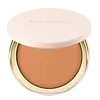 Key Ingredients
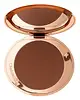
Benefits
Concerns
Ingredients Side-by-side
Mica
Cosmetic ColorantLauroyl Lysine
Skin Conditioning
Boron Nitride
Absorbent
Zinc Stearate
Cosmetic ColorantOctyldodecyl Stearoyl Stearate
Emollient

Phenyl Trimethicone
Skin Conditioning
Squalane
Emollient


Ethylhexylglycerin
Skin ConditioningPotassium Sorbate
Preservative
Solanum Lycopersicum Seed Oil
Emollient
Sodium Acetylated Hyaluronate
Humectant
Tremella Fuciformis Sporocarp Extract
Antioxidant

Carthamus Tinctorius Flower Extract
Skin ConditioningHelianthus Annuus Seed Oil
Emollient
Hibiscus Sabdariffa Flower Extract
Skin ConditioningPentaclethra Macroloba Seed Oil
Emollient
Polyglyceryl-3 Diisostearate
Emulsifying


Tocopherol
Antioxidant


CI 77491
Cosmetic ColorantCI 77492
Cosmetic ColorantCI 77499
Cosmetic ColorantCI 77891
Cosmetic ColorantCI 19140
Cosmetic ColorantMica, Lauroyl Lysine, Boron Nitride, Zinc Stearate, Octyldodecyl Stearoyl Stearate, Phenyl Trimethicone, Squalane, Ethylhexylglycerin, Potassium Sorbate, Solanum Lycopersicum Seed Oil, Sodium Acetylated Hyaluronate, Tremella Fuciformis Sporocarp Extract, Carthamus Tinctorius Flower Extract, Helianthus Annuus Seed Oil, Hibiscus Sabdariffa Flower Extract, Pentaclethra Macroloba Seed Oil, Polyglyceryl-3 Diisostearate, Tocopherol, CI 77491, CI 77492, CI 77499, CI 77891, CI 19140




Reviews
Ingredients Explained
These ingredients are found in both products.
Ingredients higher up in an ingredient list are typically present in a larger amount.
Ethylhexylglycerin is created from glycerin. It is a multitasker ingredient that:
The CIR Expert Panel found minimal skin absorption or sensitization of any kind in a safety assessment. Though this ingredient is considered well-tolerated, a small number of cases of allergic dermatitis have been published since 2002. Just be sure to patch test if you are unsure.
Industry-reported use ranges from 8% in rinse-off products and 2% in leave-on formulations.
Learn more about EthylhexylglycerinThis ingredient comes from a fatty acid (lauric acid) and amino acid (lysine). It is used to add a silky feel to cosmetics.
According to a manufacturer, its fatty acid base leaves a silky feeling on the skin. It also has emollient properties because of this. Emollients help soften skin by preventing water from evaporating.
Lauroyl lysine is barely soluble in water.
Learn more about Lauroyl LysineMica is a naturally occurring mineral used to add shimmer and color in cosmetics. It can also help improve the texture of a product or give it an opaque, white/silver color.
Serecite is the name for very fine but ragged grains of mica.
This ingredient is often coated with metal oxides like titanium dioxide. Trace amounts of heavy metals may be found in mica, but these metals are not harmful in our personal products.
Mica has been used since prehistoric times throughout the world. Ancient Egyptian, Indian, Greek, Roman, Aztec, and Chinese civilizations have used mica.
Learn more about MicaPotassium Sorbate is a preservative used to prevent yeast and mold in products. It is commonly found in both cosmetic and food products.
This ingredient comes from potassium salt derived from sorbic acid. Sorbic acid is a natural antibiotic and effective against fungus.
Both potassium sorbate and sorbic acid can be found in baked goods, cheeses, dried meats, dried fruit, ice cream, pickles, wine, yogurt, and more.
You'll often find this ingredient used with other preservatives.
Learn more about Potassium SorbateZinc Stearate is the metal salt of stearic acid. It is a white solid used to bind, thicken, and lubricate products.
This ingredient is common in powder makeup, where it helps keep the powder together.
Zinc Stearate is hydrophobic and repels water.
This ingredient can be sourced from non-animal or animal sources. It is best to reach out to the brand to see where they source this ingredient from.
Learn more about Zinc Stearate

