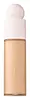
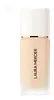
Rare Beauty Liquid Touch Weightless Foundation Versus Laura Mercier Real Flawless Weightless Perfecting Waterproof Foundation


What's inside
What's inside
 Key Ingredients
Benefits
Concerns
Ingredients Side-by-side
Isohexadecane
EmollientIsododecane
EmollientC12-15 Alkyl Benzoate
AntimicrobialHydrogenated Polyisobutene
EmollientIsononyl Isononanoate
EmollientSynthetic Fluorphlogopite
PEG-10 Dimethicone
Skin Conditioning
Trimethylsiloxysilicate
Emollient
Disteardimonium Hectorite
StabilisingDimethicone
Emollient
Silica
Abrasive


Propylene Carbonate
SolventTriethoxycaprylylsilane
Helianthus Annuus Seed Oil
Emollient



Tocopherol
Antioxidant






Gardenia Florida Fruit Extract
Skin ConditioningNelumbo Nucifera Flower Extract
Skin ConditioningNymphaea Odorata Root Extract
RefreshingPhenoxyethanol
Preservative
Achillea Millefolium Flower/Leaf/Stem Extract
Skin ConditioningAscophyllum Nodosum Extract
Skin Conditioning

Panax Ginseng Root Extract
Emollient
Passiflora Edulis Fruit Extract
Skin ConditioningTilia Cordata Flower Extract
Skin Conditioning
Tussilago Farfara Leaf Extract
AstringentCI 77891
Cosmetic ColorantIron Oxides
Isohexadecane, Isododecane, C12-15 Alkyl Benzoate, Hydrogenated Polyisobutene, Isononyl Isononanoate, Synthetic Fluorphlogopite, PEG-10 Dimethicone, Trimethylsiloxysilicate, Disteardimonium Hectorite, Dimethicone, Silica, Propylene Carbonate, Triethoxycaprylylsilane, Helianthus Annuus Seed Oil, Tocopherol, Gardenia Florida Fruit Extract, Nelumbo Nucifera Flower Extract, Nymphaea Odorata Root Extract, Phenoxyethanol, Achillea Millefolium Flower/Leaf/Stem Extract, Ascophyllum Nodosum Extract, Panax Ginseng Root Extract, Passiflora Edulis Fruit Extract, Tilia Cordata Flower Extract, Tussilago Farfara Leaf Extract, CI 77891, Iron Oxides
Isododecane
EmollientIsodecyl Neopentanoate
EmollientHydrogenated Polyisobutene
EmollientHydrogenated Polycyclopentadiene
Hydrogenated Didecene
Skin ConditioningSilica
Abrasive
Polyglyceryl-3 Diisostearate
Emulsifying
Hydrogenated Styrene/Isoprene Copolymer
Dicalcium Phosphate
Abrasive
Disteardimonium Hectorite
StabilisingCellulose
Absorbent
Lauryl PCA
HumectantTheobroma Cacao Seed Extract
Antioxidant
Hydrogenated Lecithin
Emulsifying
Camellia Oleifera Seed Oil
Skin Conditioning
Water
Skin ConditioningPentaerythrityl Tetra-Di-T-Butyl Hydroxyhydrocinnamate
Antioxidant
Tocopheryl Acetate
Antioxidant
Butylene Glycol
Humectant
Iron Oxides
CI 77891
Cosmetic ColorantIsododecane, Isodecyl Neopentanoate, Hydrogenated Polyisobutene, Hydrogenated Polycyclopentadiene, Hydrogenated Didecene, Silica, Polyglyceryl-3 Diisostearate, Hydrogenated Styrene/Isoprene Copolymer, Dicalcium Phosphate, Disteardimonium Hectorite, Cellulose, Lauryl PCA, Theobroma Cacao Seed Extract, Hydrogenated Lecithin, Camellia Oleifera Seed Oil, Water, Pentaerythrityl Tetra-Di-T-Butyl Hydroxyhydrocinnamate, Tocopheryl Acetate, Butylene Glycol, Iron Oxides, CI 77891
Reviews
Ingredients Explained
These ingredients are found in both products.
Ingredients higher up in an ingredient list are typically present in a larger amount.
Ci 77891 is a white pigment from Titanium dioxide. It is naturally found in minerals such as rutile and ilmenite.
It's main function is to add a white color to cosmetics. It can also be mixed with other colors to create different shades.
Ci 77891 is commonly found in sunscreens due to its ability to block UV rays.
Learn more about CI 77891Disteardimonium Hectorite comes from the clay mineral named hectorite. It is used to add thickness to a product.
It can also help stabilize a product by helping to disperse other ingredients.
Hectorite is a rare, white clay mineral.
Learn more about Disteardimonium HectoriteHydrogenated Polyisobutene is a synthetic polymer. Polymers are compounds with high molecular weight. Hydrogenated Polyisobutene is an emollient and texture enhancer.
In one study, Hydrogenated Polyisobutene showed better skin hydration levels than Caprylic/Capric Triglyceride. As an emollient, it helps keep your skin soft and hydrated by trapping moisture in.
Hydrogenated Polyisobutene is often used as a mineral oil replacement.
Learn more about Hydrogenated PolyisobuteneIsododecane is a fragrance, emollient, and solvent.
As an emollient, it helps your skin stay soft and hydrated. Emollients help trap moisture into your skin.
Isododecane's role as a solvent makes it a great texture enhancer. It spreads smoothly on skin and does not leave a sticky feeling behind. Isododecane also helps prevent color transfer in makeup products.
Isododecane is not absorbed into skin.
The chemical name for this ingredient is 2,2,4,6,6-PENTAMETHYLHEPTANE.
Learn more about IsododecaneSilica, also known as silicon dioxide, is a naturally occurring mineral. It is used as a fine, spherical, and porous powder in cosmetics.
Though it has exfoliant properties, the function of silica varies depending on the product.
The unique structure of silica enhances the spreadability and adds smoothness, making it a great texture enhancer.
It is also used as an active carrier, emulsifier, and mattifier due to its ability to absorb excess oil.
In some products, tiny microneedles called spicules are made from silica or hydrolyzed sponge. When you rub them in, they lightly polish away dead skin layers and enhance the penetration of active ingredients.
Learn more about SilicaThis ingredient is a combination of red, black, and yellow iron oxide pigments. This combination of colors is usually found in foundation, because it results in a "skin" color.
The EU typically uses CI numbers for colorants when applicable, such as CI 77489. In the US, iron oxides are regulated as color additives and "iron oxides" is the most commonly used name in US cosmetic practice.
A 2021 paper looked at skincare formulations containing iron oxides and found that they reduced transmission of blue light when measured optically. In simple terms, the pigment particles helped block or scatter part of the visible light spectrum in lab testing and the authors suggest this could translate into better protection against blue-light-related skin effects.
There is also clinical and experimental research showing that tinted products containing iron oxides can reduce visible light-induced pigmentation:
Please note, whether a product reduces visible or blue light depends on things like:
In the EU's CosIng database, iron oxides are only listed as a colorant. CosIng groups ingredients by their main cosmetic role, such as colorant, preservative, or UV filter.
Though studies say iron oxides can "attenuate blue light", they're describing an optical property and not an officially recognized cosmetic function.
So CosIng isn’t contradicting the research. It’s just classifying iron oxides by what they officially are: pigments that add color.
Learn more about Iron Oxides

