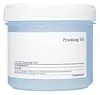
This cleansing wipe is made to dissolve makeup, sunscreen, and daily buildup.
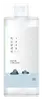
This mild micellar makeup remover is made to dissolve makeup, sunscreen, and daily buildup.

What's inside
What's inside
 Key Ingredients
Benefits
Concerns
No concerns
Ingredients Side-by-side
Water
Skin ConditioningButylene Glycol
Humectant

Dipropylene Glycol
HumectantPolyglyceryl-6 Caprylate
EmulsifyingPolyglyceryl-4 Caprate
EmulsifyingHydroxyacetophenone
Antioxidant
Ethylhexylglycerin
Skin ConditioningCitric Acid
Buffering


Octyldodecanol
Emollient
1,2-Hexanediol
Skin Conditioning
Portulaca Oleracea Extract
Skin Conditioning

Phaseolus Radiatus Seed Extract
Skin ConditioningHamamelis Virginiana Extract
Antiseborrhoeic


Centella Asiatica Extract
Cleansing


Ceramide NP
Skin Conditioning
Water, Butylene Glycol, Dipropylene Glycol, Polyglyceryl-6 Caprylate, Polyglyceryl-4 Caprate, Hydroxyacetophenone, Ethylhexylglycerin, Citric Acid, Octyldodecanol, 1,2-Hexanediol, Portulaca Oleracea Extract, Phaseolus Radiatus Seed Extract, Hamamelis Virginiana Extract, Centella Asiatica Extract, Ceramide NP
Water
Skin ConditioningDipropylene Glycol
HumectantGlycerin
Humectant
Polyglyceryl-4 Caprate
Emulsifying1,2-Hexanediol
Skin Conditioning
Pentylene Glycol
Skin Conditioning
C12-14 Alketh-12
EmulsifyingPanthenol
Skin Conditioning
Caprylyl Glycol
Emollient
Ethylhexylglycerin
Skin ConditioningAllantoin
Skin Conditioning
Disodium EDTA
ChelatingSea Water
HumectantButylene Glycol
Humectant
Tocopherol
Antioxidant

Ceramide NP
Skin Conditioning
Hyaluronic Acid
Humectant
Hydrolyzed Hyaluronic Acid
Humectant
Sodium Hyaluronate
Humectant
Water, Dipropylene Glycol, Glycerin, Polyglyceryl-4 Caprate, 1,2-Hexanediol, Pentylene Glycol, C12-14 Alketh-12, Panthenol, Caprylyl Glycol, Ethylhexylglycerin, Allantoin, Disodium EDTA, Sea Water, Butylene Glycol, Tocopherol, Ceramide NP, Hyaluronic Acid, Hydrolyzed Hyaluronic Acid, Sodium Hyaluronate
Reviews
Ingredients Explained
These ingredients are found in both products.
Ingredients higher up in an ingredient list are typically present in a larger amount.
1,2-Hexanediol is a synthetic liquid and another multi-functional powerhouse.
It is a:
- Humectant, drawing moisture into the skin
- Emollient, helping to soften skin
- Solvent, dispersing and stabilizing formulas
- Preservative booster, enhancing the antimicrobial activity of other preservatives
Butylene Glycol (or BG) is used within cosmetic products for a few different reasons:
Overall, Butylene Glycol is a safe and well-rounded ingredient that works well with other ingredients.
Though this ingredient works well with most skin types, some people with sensitive skin may experience a reaction such as allergic rashes, closed comedones, or itchiness.
Learn more about Butylene GlycolCeramide NP (formerly known as Ceramide 3) is one of the skin's naturally occurring lipids.
Since ceramides are the major lipid components of the skin, they are crucial for maintaining skin barrier and hydration. Ceramide NP most closely mirrors the dominant kind in human skin amongst ceramide subtypes.
This ceramide works by slotting into gaps within the stratum corneum's lipid matrix to limit trans-epidermal water loss (TEWL) and shield the skin against external irritants.
A study with 312 patients found that using a ceramide-containing routine for 4 weeks reduced the severity of atopic dermatitis by over 61%.
Another clinical study in subjects aged 60 and older found that a ceramide body wash and moisturizer improved skin dryness and itchy skin in 15 days.
Overall, ceramides are considered non-irritating and safety tests have found little to no observable adverse effects from using this ingredient.
Ceramide NP is usually sourced from plants (like soybean or rice bran), or produced synthetically.
Learn more about Ceramide NPDipropylene Glycol is a synthetically created humectant, stabilizer, and solvent.
This ingredient helps:
Dipropylene glycol is technically an alcohol, but it belongs to the glycol family (often considered part of the ‘good’ alcohols). This means it is hydrating and gentle on skin unlike drying solvent alcohols like denatured alcohol.
As a masking agent, Dipropylene Glycol can be used to cover the smell of other ingredients. However, it does not have a scent.
Studies show Dipropylene Glycol is considered safe to use in skincare.
Learn more about Dipropylene GlycolEthylhexylglycerin is created from glycerin. It is a multitasker ingredient that:
The CIR Expert Panel found minimal skin absorption or sensitization of any kind in a safety assessment. Though this ingredient is considered well-tolerated, a small number of cases of allergic dermatitis have been published since 2002. Just be sure to patch test if you are unsure.
Industry-reported use ranges from 8% in rinse-off products and 2% in leave-on formulations.
Learn more about EthylhexylglycerinPolyglyceryl-4 Caprate comes from Capric Acid and Polyglycerin-4. It is an emulsifier.
Emulsifiers help stabilize a product. They do this by preventing ingredients from separating, such as oils and water which do not mix naturally.
Water. It's the most common cosmetic ingredient of all. You'll usually see it at the top of ingredient lists, meaning that it makes up the largest part of the product.
So why is it so popular? Water most often acts as a solvent - this means that it helps dissolve other ingredients into the formulation.
You'll also recognize water as that liquid we all need to stay alive. If you see this, drink a glass of water. Remember to stay hydrated!
Learn more about Water

