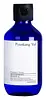
This calming toner is formulated around Astragalus Membranaceus Root Extract to calm redness.
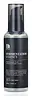
This anti-aging essence is formulated around Galactomyces Ferment Filtrate and Bifida Ferment Lysate to soften the look of wrinkles and strengthen the skin barrier.

What's inside
What's inside
 Key Ingredients
No key ingredients
Benefits
Concerns
No concerns
Ingredients Side-by-side
Galactomyces Ferment Filtrate
Humectant







Lactobacillus/Collagen Ferment Filtrate
Humectant
Water
Skin ConditioningButylene Glycol
Humectant
Pentylene Glycol
Skin Conditioning
1,2-Hexanediol
Skin Conditioning
Glycerin
Humectant
Bifida Ferment Lysate
Skin Conditioning
Panthenol
Skin Conditioning
Ceramide NP
Skin Conditioning
Sodium Hyaluronate
Humectant
Aloe Barbadensis Leaf Extract
Emollient
Althaea Rosea Root Extract
HumectantCopper Tripeptide-1
Skin Conditioning
Hexapeptide-11
Skin Conditioning
Hexapeptide-9
Skin Conditioning
Palmitoyl Pentapeptide-4
Skin Conditioning
Palmitoyl Tripeptide-1
Skin Conditioning
Tripeptide-1
Skin Conditioning
Isopentyldiol
Humectant
Sucrose Palmitate
EmollientPropanediol
Solvent
Xanthan Gum
EmulsifyingBetaine
Humectant
Sodium Surfactin
CleansingArginine
Masking
Acrylates/C10-30 Alkyl Acrylate Crosspolymer
Emulsion StabilisingAllantoin
Skin Conditioning
Adenosine
Skin Conditioning
Polyglyceryl-10 Laurate
Skin Conditioning
Caprylyl Glycol
Emollient
Galactomyces Ferment Filtrate, Lactobacillus/Collagen Ferment Filtrate, Water, Butylene Glycol, Pentylene Glycol, 1,2-Hexanediol, Glycerin, Bifida Ferment Lysate, Panthenol, Ceramide NP, Sodium Hyaluronate, Aloe Barbadensis Leaf Extract, Althaea Rosea Root Extract, Copper Tripeptide-1, Hexapeptide-11, Hexapeptide-9, Palmitoyl Pentapeptide-4, Palmitoyl Tripeptide-1, Tripeptide-1, Isopentyldiol, Sucrose Palmitate, Propanediol, Xanthan Gum, Betaine, Sodium Surfactin, Arginine, Acrylates/C10-30 Alkyl Acrylate Crosspolymer, Allantoin, Adenosine, Polyglyceryl-10 Laurate, Caprylyl Glycol
Reviews
Ingredients Explained
These ingredients are found in both products.
Ingredients higher up in an ingredient list are typically present in a larger amount.
1,2-Hexanediol is a synthetic liquid and another multi-functional powerhouse.
It is a:
- Humectant, drawing moisture into the skin
- Emollient, helping to soften skin
- Solvent, dispersing and stabilizing formulas
- Preservative booster, enhancing the antimicrobial activity of other preservatives
Arginine is a semi-essential amino acid. This just means our bodies can product a bit on its own, but sometimes needs a little boost from food sources.
It is a part of your skin's natural moisturizing factor (NMF), or the water-loving molecules in your outermost layer of skin (stratum corneum) that keeps everything hydrated and happy.
Here's an interesting thing about Arginine: your skin converts it into urea through the Krebs-Henseleit urea cycle. Urea is one of the most effective humectants your skin naturally produces.
A clinical study showed applying 2.5% arginine hydrochloride to atopic dermatitis skin showed significant urea levels in the stratum corneum and improved moisture in just four weeks.
Arginine is also a precursor to nitric oxide; nitric oxide improves microcirculation and supports wound healing and collagen synthesis.
One study found that an amino acid complex containing Arginine reduced skin irritation, improved hydration, and accelerated skin repair in clinical / in-vivo studies.
Arginine itself is an amino acid and not a fatty acid, oil, or ester. On its own, it's not a direct food source for Malassezia, or the yeast that causes fungal acne.
Learn more about ArginineButylene Glycol (or BG) is used within cosmetic products for a few different reasons:
Overall, Butylene Glycol is a safe and well-rounded ingredient that works well with other ingredients.
Though this ingredient works well with most skin types, some people with sensitive skin may experience a reaction such as allergic rashes, closed comedones, or itchiness.
Learn more about Butylene Glycol

