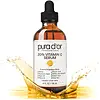
This brightening treatment is formulated around Ascorbic Acid and Aloe Barbadensis Leaf Juice to brighten dull-looking skin and fade the look of dark spots.
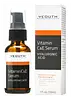
This brightening serum is formulated around Magnesium Ascorbyl Phosphate and Tocopheryl Acetate to brighten dull-looking skin.

What's inside
What's inside
 Key Ingredients
Benefits
Concerns
Ingredients Side-by-side
Aloe Barbadensis Leaf Juice
Skin Conditioning


Ascorbic Acid
Antioxidant






Propanediol
Solvent
Hamamelis Virginiana Bark/Leaf/Twig Extract
Skin Conditioning

Tremella Fuciformis Sporocarp Extract
Antioxidant
Betaine
Humectant
Glycerin
Humectant
Hyaluronic Acid
Humectant
Ferulic Acid
Antimicrobial
Dimethyl Sulfone
SolventTocopherol
Antioxidant
Argania Spinosa Kernel Oil
Emollient



Retinol
Skin Conditioning



Simmondsia Chinensis Seed Oil
Emollient
Phytic Acid
Chelating
Sodium Citrate
BufferingSodium Metabisulfite
Antioxidant
Xanthan Gum
EmulsifyingCaprylyl Glycol
Emollient
Caprylhydroxamic Acid
ChelatingPolysorbate 20
Emulsifying
Aloe Barbadensis Leaf Juice, Ascorbic Acid, Propanediol, Hamamelis Virginiana Bark/Leaf/Twig Extract, Tremella Fuciformis Sporocarp Extract, Betaine, Glycerin, Hyaluronic Acid, Ferulic Acid, Dimethyl Sulfone, Tocopherol, Argania Spinosa Kernel Oil, Retinol, Simmondsia Chinensis Seed Oil, Phytic Acid, Sodium Citrate, Sodium Metabisulfite, Xanthan Gum, Caprylyl Glycol, Caprylhydroxamic Acid, Polysorbate 20
Reviews
Ingredients Explained
These ingredients are found in both products.
Ingredients higher up in an ingredient list are typically present in a larger amount.
Aloe Barbadensis Leaf Juice is the filtered, stabilized liquid pressed from the inner gel of the aloe vera leaf.
In cosmetics, it shows up as either soothing active or a water-replacement base. It is roughly 98-99% water and the last 1-2% is an interesting mix of polysaccharides, amino acids, vitamins, minerals, and enzymes.
The polysaccharides do most of the work: they bind water at the skin surface for a light, non-greasy hydration boost. And one of the polysaccharides, glycomannan, is linked to fibroblast stimulation + collagen synthesis. This is also why aloe has such a long track record in wound and burn healing.
This ingredient is also calming with anti-inflammatory and mild antimicrobial activity, making it a great pick for sensitive, irritated, or post-sun skin.
Realistic expectations matter though; the solid evidence is mostly limited to hydration, soothing, and wound support. Deeper claims about anti-aging or sun protection are not well backed, and science reviews note it does not prevent radiation-induced skin injury.
Because it plays well with almost everything, it's commonly used as a base alongside other actives like niacinamide or vitamin C.
Typical usage concentrations range from 0.5% (where hydration benefits already show up) all the way to 90%+ (where it replaces water as the main base).
The safety for this ingredient is well-establish as well. Overall, this is a great supporting ingredient for those who want a boost in hydration.
Learn more about Aloe Barbadensis Leaf JuicePolysorbate 20 is a gentle, water-soluble emulsifier and mild surfactant. It stops oil and water from separating to keep your formulas blended and stable.
It also acts as a mild penetration enhancer by helping active ingredients absorb slightly better.
The common safety discussion around this ingredient involves a manufacturing byproduct called 1,4-dioxane.
Trace amounts can form during production but the EU's Scientific Committee on Consumer Safety has concluded that levels at/below 10 ppm in finished products are safe (commercial products consistently fall within acceptable margins).
True allergic reactions are uncommon and the CIR Expert Panel has confirmed this ingredient to be safe as used in cosmetics.
Because it is derived from lauric acid, it may not be fungal acne safe.
Learn more about Polysorbate 20

