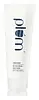
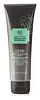
Plum Goodness Plum Charcoal Do-the-Detox Face Wash Versus The Body Shop Himalayan Charcoal Purifying Clay Wash
This mild gel cleanser is mild enough to cleanse without leaving skin feeling tight or stripped.
This clay cleanser uses mild cleansing ingredients, but contains alcohol that may feel drying for some.


What's inside
What's inside
 Key Ingredients
Benefits
Concerns
Ingredients Side-by-side
Water
Skin ConditioningGlycerin
Humectant


Cocamidopropyl Betaine
Cleansing



Kaolin
Abrasive



Magnesium Aluminum Silicate
Absorbent
Coco-Glucoside
Cleansing
Sodium Cocoyl Glycinate
Cleansing
Propanediol
Solvent
Aloe Barbadensis Leaf Juice
Skin Conditioning

Olive Oil PEG-7 Esters
Emollient


Sodium Cocoyl Apple Amino Acids
Foam Boosting
Charcoal
Abrasive
Cinnamomum Cassia Bark
Skin ConditioningHamamelis Virginiana Extract
Antiseborrhoeic
Phenoxyethanol
Preservative
Ethylhexylglycerin
Skin ConditioningXanthan Gum
EmulsifyingCapryloyl Glycine
CleansingSarcosine
Skin Conditioning
Parfum
Masking

Sodium Gluconate
ChelatingWater, Glycerin, Cocamidopropyl Betaine, Kaolin, Magnesium Aluminum Silicate, Coco-Glucoside, Sodium Cocoyl Glycinate, Propanediol, Aloe Barbadensis Leaf Juice, Olive Oil PEG-7 Esters, Sodium Cocoyl Apple Amino Acids, Charcoal, Cinnamomum Cassia Bark, Hamamelis Virginiana Extract, Phenoxyethanol, Ethylhexylglycerin, Xanthan Gum, Capryloyl Glycine, Sarcosine, Parfum, Sodium Gluconate
Water
Skin ConditioningGlycerin
Humectant
Cocamidopropyl Betaine
Cleansing
Propanediol
Solvent
Kaolin
Abrasive
Magnesium Aluminum Silicate
Absorbent
Decyl Glucoside
Cleansing
Xanthan Gum
EmulsifyingSodium Cocoyl Glycinate
Cleansing
Sodium Chloride
MaskingHydroxyacetophenone
Antioxidant
Phenoxyethanol
Preservative
Caprylyl Glycol
Emollient
Parfum
Masking
Charcoal Powder
Abrasive
Limonene
Perfuming
Linalool
Perfuming
Citric Acid
Buffering

Trisodium Ethylenediamine Disuccinate
ChelatingAloe Barbadensis Leaf Juice Powder
Skin Conditioning
Eucalyptus Globulus Leaf Oil
Perfuming
Melaleuca Alternifolia Leaf Oil
Antioxidant
Menthoxypropanediol
Masking
Sodium Hydroxide
BufferingTetrasodium Pyrophosphate
BufferingBenzyl Alcohol
Perfuming
CI 77499
Cosmetic ColorantWater, Glycerin, Cocamidopropyl Betaine, Propanediol, Kaolin, Magnesium Aluminum Silicate, Decyl Glucoside, Xanthan Gum, Sodium Cocoyl Glycinate, Sodium Chloride, Hydroxyacetophenone, Phenoxyethanol, Caprylyl Glycol, Parfum, Charcoal Powder, Limonene, Linalool, Citric Acid, Trisodium Ethylenediamine Disuccinate, Aloe Barbadensis Leaf Juice Powder, Eucalyptus Globulus Leaf Oil, Melaleuca Alternifolia Leaf Oil, Menthoxypropanediol, Sodium Hydroxide, Tetrasodium Pyrophosphate, Benzyl Alcohol, CI 77499
Ingredients Explained
These ingredients are found in both products.
Ingredients higher up in an ingredient list are typically present in a larger amount.
Cocamidopropyl Betaine is a fatty acid created by mixing similar compounds in coconut oil and dimethylaminopropylamine, a compound with two amino groups.
This ingredient is a surfactant and cleanser. It helps gather the dirt, pollutants, and other impurities in your skin to be washed away. It also helps thicken a product and make the texture more creamy.
Being created from coconut oil means Cocamidopropyl Betaine is hydrating for the skin.
While Cocamidopropyl Betaine was believed to be an allergen, a study from 2012 disproved this. It found two compounds in unpure Cocamidopropyl Betaine to be the irritants: aminoamide and 3-dimethylaminopropylamine. High-grade and pure Cocamidopropyl Betaine did not induce allergic reactions during this study.
Learn more about Cocamidopropyl BetaineGlycerin (or glycerol) is a compound naturally found in your skin. It's a powerhouse humectant that pulls water into the stratum corneum.
Topically, glycerin does several things at once:
Your skin makes glycerin on its own (mostly from sebaceous oil breakdown) and shuttles it to your outermost layer of skin, or your epidermis, via aquaporin-3.
Aquaporin-3 is a transporter that is essential for normal skin hydration, elasticity, and repair. Interestingly, mice lacking in AQP3 have dry and less elastic skin that can be fully corrected with glycerin.
This ingredient is non-irritating, plays well with almost every ingredient, and works across all skin types. Typical use is anywhere between 3-10% but can go up to 79% in some leave-on products.
Just know very high concentrations (>40%) can feel tacky in low humidity.
Glycerin is the name for this ingredient in American English. British English uses Glycerol/Glycerine.
Learn more about GlycerinKaolin is a clay. It is used for oil control and to help minimize pores. Like other clays, kaolin has the ability to absorb excess sebum or oil. This can help clean out pores and mattify the skin.
Some types of kaolin may have exfoliating properties. When water is added to kaolin, it becomes a paste with small abrasive particles.
Most kaolin is a white color, but may be pink/orange/red depending on where it comes from.
The name 'kaolin' comes from a Chinese village named 'Gaoling'. Kaolin clay comes from rocks rich in kaolinite. Kaolinite, the mineral, has a silicate layered structure. Kaolinite is formed from chemical weathering of aluminum siilicate minerals.
Besides skincare, kaolin is commonly used to make glossy paper, in ceramics, toothpaste, and as medicine to soothe stomach issues.
Learn more about KaolinMagnesium Aluminum Silicate is a type of silica. It comes from naturally occuring minerals such as silicate ores and clay.
Magnesium aluminum silicate is used for enhancing texture and as an absorbent. Due to its large molecular size, it is unable to be absorbed into the skin.
Like other types of silica, this ingredient can be used to thicken a product. As an absorbent, it may be used to absorb extra water or help prevent clumping.
Although “aluminum” in an ingredient name can raise red flags for some consumers, the form and usage context matter significantly. For typical topical applications, there is no substantial evidence of health risks - such as cancer, neurotoxicity, or systemic “aluminum overload.”
Learn more about Magnesium Aluminum SilicateParfum is a catch-all term for an ingredient or more that is used to give a scent to products.
Also called "fragrance", this ingredient can be a blend of hundreds of chemicals or plant oils. This means every product with "fragrance" or "parfum" in the ingredients list is a different mixture.
For instance, Habanolide is a proprietary trade name for a specific aroma chemical. When used as a fragrance ingredient in cosmetics, most aroma chemicals fall under the broad labeling category of “FRAGRANCE” or “PARFUM” according to EU and US regulations.
The term 'parfum' or 'fragrance' is not regulated in many countries. In many cases, it is up to the brand to define this term.
For instance, many brands choose to label themselves as "fragrance-free" because they are not using synthetic fragrances. However, their products may still contain ingredients such as essential oils that are considered a fragrance by INCI standards.
One example is Calendula flower extract. Calendula is an essential oil that still imparts a scent or 'fragrance'.
Depending on the blend, the ingredients in the mixture can cause allergies and sensitivities on the skin. Some ingredients that are known EU allergens include linalool and citronellol.
Parfum can also be used to mask or cover an unpleasant scent.
The bottom line is: not all fragrances/parfum/ingredients are created equally. If you are worried about fragrances, we recommend taking a closer look at an ingredient. And of course, we always recommend speaking with a professional.
Learn more about ParfumPhenoxyethanol is one of the most widely used preservatives in skincare (and for good reason!).
It has a large spectrum of antimicrobial activity and especially effective bacteria, yeast, and mold while only having a weak effect on your skin's natural microbiome.
On a cellular level, it disrupts the cell membranes of microbes by poking holes that make the cell leak. This shuts down the chemical reactions the microbe needs to make energy so it can no longer survive.
Another perk of this ingredient is that it stays functional across a wide pH range (3-10).
You'll often see it paired with boosters like Ethylhexylglycerin; one study showed that a 1:9 ratio of Ethylhexylglycerin to Phenoxyethanol damages bacterial membranes as effectively as doubling the Phenoxyethanol concentration on its own.
Typical use concentrations range from 0.3-1% depending on the formula, and this ingredient is capped at 1% int the EU.
Safety-wise, the fear mongering does not hold up to the evidence. The EU's Scientific Committee on Consumer Safety and FDA consider it safe as a preservative at up to 1%, including for children of all ages.
Adverse systemic effects only showed up in animal studies at exposures roughly 200x higher than what people get from cosmetics. And despite its very widespread use, this ingredient is a rare sensitizer and allergic reactions are uncommon.
Learn more about PhenoxyethanolPropanediol is an all-star ingredient. It softens, hydrates, and smooths the skin.
It’s often used to:
Propanediol is not likely to cause sensitivity and considered safe to use. It is derived from corn or petroleum with a clear color and no scent.
Learn more about PropanediolSodium Cocoyl Glycinate is a cleansing agent. It can be naturally derived or synthetically-created.
As a surfactant, it helps clean your skin by gathering dirt, oil, and other pollutants to be rinsed away more easily.
Water. It's the most common cosmetic ingredient of all. You'll usually see it at the top of ingredient lists, meaning that it makes up the largest part of the product.
So why is it so popular? Water most often acts as a solvent - this means that it helps dissolve other ingredients into the formulation.
You'll also recognize water as that liquid we all need to stay alive. If you see this, drink a glass of water. Remember to stay hydrated!
Learn more about WaterXanthan gum is used as a stabilizer and thickener within cosmetic products. It helps give products a sticky, thick feeling - preventing them from being too runny.
On the technical side of things, xanthan gum is a polysaccharide - a combination consisting of multiple sugar molecules bonded together.
Xanthan gum is a pretty common and great ingredient. It is a natural, non-toxic, non-irritating ingredient that is also commonly used in food products.
Learn more about Xanthan Gum

