Pacifica Wake Up Beautiful Waterless Cleansing Balm Versus Pacifica Wake Up Beautiful Dream Jelly Face Wash
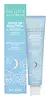
This oil-based makeup remover is made to dissolve makeup, sunscreen, and daily buildup.
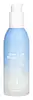
This mild gel cleanser is made to cleanse without leaving your skin tight or dry.

What's inside
What's inside
 Key Ingredients
Benefits
Concerns
Ingredients Side-by-side
Helianthus Annuus Seed Oil
Emollient



Behenyl Alcohol
Emollient
Caprylic/Capric Triglyceride
Masking

Oryza Sativa Bran Wax
Skin Conditioning
Polyglyceryl-2 Caprate
EmulsifyingMoringa Oleifera Seed Oil
Emollient


Glyceryl Stearate
Emollient
Polyhydroxystearic Acid
Emulsifying
Tribehenin
Emollient
Tremella Fuciformis Sporocarp Extract
Antioxidant

Lauryl Glucoside
CleansingPolyglyceryl-2 Sesquioleate
Emulsifying
Silica
Abrasive


Glyceryl Behenate
Emollient
Rosa Canina Fruit Oil
Emollient
Chenopodium Quinoa Seed Oil
Emollient
Glycerin
Humectant
Limnanthes Alba Seed Oil
Skin Conditioning
Sodium Hyaluronate
Humectant

Rosa Centifolia Flower Extract
Astringent
Parfum
Masking


Helianthus Annuus Seed Oil, Behenyl Alcohol, Caprylic/Capric Triglyceride, Oryza Sativa Bran Wax, Polyglyceryl-2 Caprate, Moringa Oleifera Seed Oil, Glyceryl Stearate, Polyhydroxystearic Acid, Tribehenin, Tremella Fuciformis Sporocarp Extract, Lauryl Glucoside, Polyglyceryl-2 Sesquioleate, Silica, Glyceryl Behenate, Rosa Canina Fruit Oil, Chenopodium Quinoa Seed Oil, Glycerin, Limnanthes Alba Seed Oil, Sodium Hyaluronate, Rosa Centifolia Flower Extract, Parfum
Water
Skin ConditioningSodium Cocoyl Glutamate
Cleansing
Disodium Cocoyl Glutamate
Cleansing
Hydroxypropyl Starch Phosphate
Coco-Glucoside
Cleansing
Glycerin
Humectant
Decyl Glucoside
Cleansing
Sodium Hyaluronate
Humectant
Hydrolyzed Quinoa
Skin ConditioningMelatonin
Antioxidant
Rosa Damascena Flower Oil
Masking
Rosa Canina Fruit Extract
Astringent
Tremella Fuciformis Polysaccharide
Emulsion Stabilising
Thioctic Acid
Antioxidant
Hibiscus Sabdariffa Flower Extract
Skin ConditioningHydrolyzed Rice Protein
Skin ConditioningLauryl Glucoside
CleansingCitric Acid
Buffering
Sorbitan Oleate Decylglucoside Crosspolymer
CleansingEthylhexylglycerin
Skin ConditioningPhenoxyethanol
Preservative
Water, Sodium Cocoyl Glutamate, Disodium Cocoyl Glutamate, Hydroxypropyl Starch Phosphate, Coco-Glucoside, Glycerin, Decyl Glucoside, Sodium Hyaluronate, Hydrolyzed Quinoa, Melatonin, Rosa Damascena Flower Oil, Rosa Canina Fruit Extract, Tremella Fuciformis Polysaccharide, Thioctic Acid, Hibiscus Sabdariffa Flower Extract, Hydrolyzed Rice Protein, Lauryl Glucoside, Citric Acid, Sorbitan Oleate Decylglucoside Crosspolymer, Ethylhexylglycerin, Phenoxyethanol
Reviews
Ingredients Explained
These ingredients are found in both products.
Ingredients higher up in an ingredient list are typically present in a larger amount.
Glycerin (or glycerol) is a compound naturally found in your skin. It's a powerhouse humectant that pulls water into the stratum corneum.
Topically, glycerin does several things at once:
Your skin makes glycerin on its own (mostly from sebaceous oil breakdown) and shuttles it to your outermost layer of skin, or your epidermis, via aquaporin-3.
Aquaporin-3 is a transporter that is essential for normal skin hydration, elasticity, and repair. Interestingly, mice lacking in AQP3 have dry and less elastic skin that can be fully corrected with glycerin.
This ingredient is non-irritating, plays well with almost every ingredient, and works across all skin types. Typical use is anywhere between 3-10% but can go up to 79% in some leave-on products.
Just know very high concentrations (>40%) can feel tacky in low humidity.
Glycerin is the name for this ingredient in American English. British English uses Glycerol/Glycerine.
Learn more about GlycerinLauryl Glucoside sugar- and lipid-based cleansing agent. It is created from glucose and lauryl alcohol.
This ingredient is a surfactant, making it easier to rinse oil, dirt, and other pollutants away.
A British study found lauryl glucoside to cause skin sensitivity for some people. We recommend speaking with a professional if you have concerns.
Other names for this ingredient include "Lauryl Polyglucose", "Lauryl glycoside", and "D-Glucopyranoside".
Learn more about Lauryl GlucosideSodium Hyaluronate is the salt form of hyaluronic acid. It is a long sugar chain that is naturally found in your skin, joints, and connective tissue that maintains hydration and elasticity.
In skincare, it works as a humectant. It pulls water from the environment and deeper layers of skin and binds it to the surface.
Interestingly, the size of the molecule affects its behavior:
Some clinical evidence links low molecular weight versions to improved wrinkle depth, elasticity, anti-inflammatory effects, and barrier repair.
Many serums use a blend of both weights so you can get surface hydration plus longer-lasting and deeper effects.
You'll typically see concentrations between 0.1-2% for this ingredient.
Learn more about Sodium Hyaluronate

