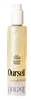
This mild gel cleanser is mild enough to cleanse without leaving skin feeling tight or stripped.

What's inside
What's inside
 Key Ingredients
No key ingredients
Benefits
Concerns
No concerns
Ingredients Side-by-side
Water
Skin ConditioningSodium C14-16 Olefin Sulfonate
Cleansing

Cocamidopropyl Betaine
Cleansing

Acrylates Copolymer
Propanediol
Solvent

Niacinamide
Smoothing










Saccharide Isomerate
Humectant
Sodium Astrocaryum Murumuruate
EmollientFructooligosaccharides
Humectant
Beta Vulgaris Root Extract
Skin ConditioningSodium Gluconate
ChelatingSodium Chloride
MaskingSodium Hydroxide
BufferingCitric Acid
Buffering
Sodium Citrate
BufferingLactic Acid
Buffering
Potassium Lactate
BufferingTrisodium Ethylenediamine Disuccinate
ChelatingCaprylhydroxamic Acid
Chelating1,2-Hexanediol
Skin Conditioning
Synthetic Fluorphlogopite
Tin Oxide
Abrasive
CI 77891
Cosmetic ColorantWater, Sodium C14-16 Olefin Sulfonate, Cocamidopropyl Betaine, Acrylates Copolymer, Propanediol, Niacinamide, Saccharide Isomerate, Sodium Astrocaryum Murumuruate, Fructooligosaccharides, Beta Vulgaris Root Extract, Sodium Gluconate, Sodium Chloride, Sodium Hydroxide, Citric Acid, Sodium Citrate, Lactic Acid, Potassium Lactate, Trisodium Ethylenediamine Disuccinate, Caprylhydroxamic Acid, 1,2-Hexanediol, Synthetic Fluorphlogopite, Tin Oxide, CI 77891



Reviews
Ingredients Explained
These ingredients are found in both products.
Ingredients higher up in an ingredient list are typically present in a larger amount.
1,2-Hexanediol is a synthetic liquid and another multi-functional powerhouse.
It is a:
- Humectant, drawing moisture into the skin
- Emollient, helping to soften skin
- Solvent, dispersing and stabilizing formulas
- Preservative booster, enhancing the antimicrobial activity of other preservatives
Acrylates Copolymer is used as a film-forming agent and texture enhancer.
After applied, Acrylates Copolymer forms a thin film cover that helps skin feel more soft. It can help sunscreens become more water-resistant.
It is also used to make a product more thick.
Learn more about Acrylates CopolymerChances are, you eat sodium chloride every day. Sodium Chloride is also known as table salt. This ingredient has many purposes in skincare: thickener, emulsifier, and exfoliator.
You'll most likely find this ingredient in cleansers where it is used to create a gel-like texture. As an emulsifier, it also prevents ingredients from separating.
You might see people debate whether Sodium Chloride is comedogenic, but there actually haven't been any comedogenic tests done on it. Either way, the overall formulation of a product matters a lot more than any single ingredient.
You might see this ingredient used in scrubs as a primary exfoliating ingredient.
Learn more about Sodium ChlorideSodium Hydroxide is also known as lye or caustic soda. It is used to adjust the pH of products; many ingredients require a specific pH to be effective.
In small amounts, sodium hydroxide is considered safe to use. However, large amounts may cause chemical burns due to its high alkaline.
Your skin has a natural pH and acid mantle. This acid mantle helps prevent harmful bacteria from breaking through. The acid mantle also helps keep your skin hydrated.
"Alkaline" refers to a high pH level. A low pH level would be considered acidic.
Learn more about Sodium HydroxideWater. It's the most common cosmetic ingredient of all. You'll usually see it at the top of ingredient lists, meaning that it makes up the largest part of the product.
So why is it so popular? Water most often acts as a solvent - this means that it helps dissolve other ingredients into the formulation.
You'll also recognize water as that liquid we all need to stay alive. If you see this, drink a glass of water. Remember to stay hydrated!
Learn more about Water

