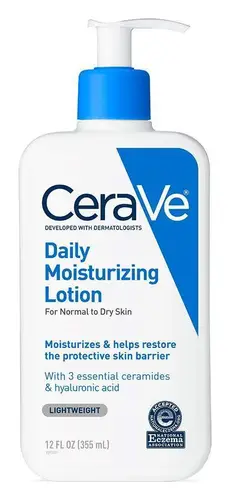
This mild cream cleanser is made to cleanse without leaving your skin tight or dry.

What's inside
What's inside
 Key Ingredients
No key ingredients
Benefits
Concerns
Ingredients Side-by-side
Water
Skin ConditioningSodium Trideceth Sulfate
Cleansing
Petrolatum
Emollient



Sodium Chloride
MaskingCocamidopropyl Betaine
Cleansing


Trideceth-3
EmulsifyingNiacinamide
Smoothing











Avena Sativa Kernel Extract
Abrasive

Sodium Benzoate
Masking
Sodium Salicylate
Preservative
Sodium Citrate
BufferingGuar Hydroxypropyltrimonium Chloride
Skin ConditioningXanthan Gum
EmulsifyingCitric Acid
Buffering
Glyceryl Oleate
Emollient


Disodium EDTA
ChelatingSodium Hydroxide
BufferingAcrylates/C10-30 Alkyl Acrylate Crosspolymer
Emulsion StabilisingWater, Sodium Trideceth Sulfate, Petrolatum, Sodium Chloride, Cocamidopropyl Betaine, Trideceth-3, Niacinamide, Avena Sativa Kernel Extract, Sodium Benzoate, Sodium Salicylate, Sodium Citrate, Guar Hydroxypropyltrimonium Chloride, Xanthan Gum, Citric Acid, Glyceryl Oleate, Disodium EDTA, Sodium Hydroxide, Acrylates/C10-30 Alkyl Acrylate Crosspolymer


Reviews
Ingredients Explained
These ingredients are found in both products.
Ingredients higher up in an ingredient list are typically present in a larger amount.
Acrylates/C10-30 Alkyl Acrylate Crosspolymer is a synthetic polymer. It is used to thicken, emulsify, and improve the texture of products.
As an emulsifier, it helps stabilize oil-in-water emulsions to give products an elegant feel when applied.
It can also form a thin protective film on skin. One study found that a formula using this polymer helped slow down how quickly other ingredients (like DEET) were absorbed through skin.
A 2024 study of over 1,300 patients confirmed that sensitization to this ingredient is rare. It is also non-mutagenic and has a clean track record.
Learn more about Acrylates/C10-30 Alkyl Acrylate CrosspolymerGlyceryl Oleate is the monoester of glycerin and oleic acid. It is a skin-conditioning emollient that also helps form emulsions.
What makes glyceryl oleate special is its "re-fatting" effect.
When you wash your hair and skin with a surfactant-based cleanser, the surfactants grab onto everything. This includes your skin's natural lipids, or the fats that live in your skin barrier and sebum. Once you rinse these surfactants away, it leaves your skin feeling tight, dry, and clean (in a not-good way).
Re-fatting is essentially putting some of these lipids back. Glyceryl oleate deposits a thin layer of emollient lipids back on the skin or hair surface reduce some of the barrier damage.
Also, glyceryl oleate isn't a foreign molecule to your skin. It's chemically identical to something your skin already produces and manages naturally. This is why it tends to be well-tolerated with low risk of irritation.
Typical use levels range from 0.5-5%.
Glyceryl Oleate has a function of "perfuming" in the CosIng database. This just means that the ingredient has some scent character that can contribute to the product's overall smell.
The scent of this ingredient is described as "waxy".
As an ester of oleic acid, this ingredient may not be fungal acne safe. This is because oleic acid falls into the carbon-chain length that Malassezia can use as a substrate.
Learn more about Glyceryl OleateSodium Hydroxide is also known as lye or caustic soda. It is used to adjust the pH of products; many ingredients require a specific pH to be effective.
In small amounts, sodium hydroxide is considered safe to use. However, large amounts may cause chemical burns due to its high alkaline.
Your skin has a natural pH and acid mantle. This acid mantle helps prevent harmful bacteria from breaking through. The acid mantle also helps keep your skin hydrated.
"Alkaline" refers to a high pH level. A low pH level would be considered acidic.
Learn more about Sodium HydroxideWater. It's the most common cosmetic ingredient of all. You'll usually see it at the top of ingredient lists, meaning that it makes up the largest part of the product.
So why is it so popular? Water most often acts as a solvent - this means that it helps dissolve other ingredients into the formulation.
You'll also recognize water as that liquid we all need to stay alive. If you see this, drink a glass of water. Remember to stay hydrated!
Learn more about Water