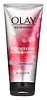
This salicylic acid cream cleanser is formulated around Salicylic Acid to clear breakouts and unclog pores.
This cream cleanser uses mild cleansing ingredients, but contains alcohol that may feel drying for some.


What's inside
What's inside
 Key Ingredients
Benefits
Concerns
Ingredients Side-by-side
Water
Skin ConditioningPPG-15 Stearyl Ether
EmollientGlycerin
Humectant


Stearyl Alcohol
Emollient


Cetyl Betaine
CleansingHydrated Silica
Abrasive
Salicylic Acid
Masking









Distearyldimonium Chloride
Sodium Lauryl Sulfate
Cleansing
Carnosine
Skin Conditioning
Panthenol
Skin Conditioning

Tocopheryl Acetate
Antioxidant

Ascorbic Acid
Antioxidant

PPG-30
Skin ConditioningCetyl Alcohol
Emollient
Steareth-21
CleansingBehenyl Alcohol
Emollient
Parfum
Masking

Steareth-2
EmulsifyingDisodium EDTA
ChelatingWater
Skin ConditioningAloe Barbadensis Leaf Juice
Skin Conditioning
Sesamum Indicum Seed Oil
Emollient

Cetearyl Alcohol
Emollient
Ceteareth-20
Cleansing
Glycerin
Humectant
Rosa Canina Fruit Oil
Emollient
Theobroma Cacao Seed Butter
Emollient
Butyrospermum Parkii Butter
Skin Conditioning
Simmondsia Chinensis Seed Oil
Emollient
Persea Gratissima Oil
Skin Conditioning
Triticum Vulgare Germ Oil
Emollient
Tocopherol
Antioxidant
Equisetum Arvense Extract
AstringentArctium Lappa Root Extract
Skin Conditioning
Urtica Dioica Extract
AstringentPhenoxyethanol
Preservative
Benzyl Alcohol
Perfuming

Citrus Tangerina Peel Oil
Masking
Citrus Nobilis Peel Oil
Masking
Lavandula Angustifolia Oil
Masking
Vanilla Planifolia Fruit Extract
Skin Conditioning
Linalool
Perfuming
Limonene
Perfuming
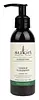
Water, Aloe Barbadensis Leaf Juice, Sesamum Indicum Seed Oil, Cetearyl Alcohol, Ceteareth-20, Glycerin, Rosa Canina Fruit Oil, Theobroma Cacao Seed Butter, Butyrospermum Parkii Butter, Simmondsia Chinensis Seed Oil, Persea Gratissima Oil, Triticum Vulgare Germ Oil, Tocopherol, Equisetum Arvense Extract, Arctium Lappa Root Extract, Urtica Dioica Extract, Phenoxyethanol, Benzyl Alcohol, Citrus Tangerina Peel Oil, Citrus Nobilis Peel Oil, Lavandula Angustifolia Oil, Vanilla Planifolia Fruit Extract, Linalool, Limonene
Reviews
Ingredients Explained
These ingredients are found in both products.
Ingredients higher up in an ingredient list are typically present in a larger amount.
Glycerin (or glycerol) is a compound naturally found in your skin. It's a powerhouse humectant that pulls water into the stratum corneum.
Topically, glycerin does several things at once:
Your skin makes glycerin on its own (mostly from sebaceous oil breakdown) and shuttles it to your outermost layer of skin, or your epidermis, via aquaporin-3.
Aquaporin-3 is a transporter that is essential for normal skin hydration, elasticity, and repair. Interestingly, mice lacking in AQP3 have dry and less elastic skin that can be fully corrected with glycerin.
This ingredient is non-irritating, plays well with almost every ingredient, and works across all skin types. Typical use is anywhere between 3-10% but can go up to 79% in some leave-on products.
Just know very high concentrations (>40%) can feel tacky in low humidity.
Glycerin is the name for this ingredient in American English. British English uses Glycerol/Glycerine.
Learn more about GlycerinWater. It's the most common cosmetic ingredient of all. You'll usually see it at the top of ingredient lists, meaning that it makes up the largest part of the product.
So why is it so popular? Water most often acts as a solvent - this means that it helps dissolve other ingredients into the formulation.
You'll also recognize water as that liquid we all need to stay alive. If you see this, drink a glass of water. Remember to stay hydrated!
Learn more about Water

