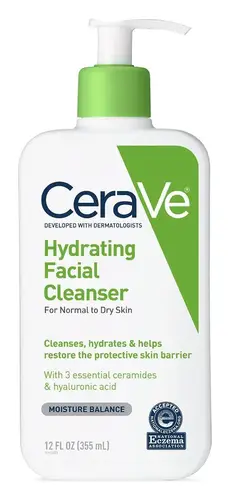
This mild gel cleanser is mild enough to cleanse without leaving skin feeling tight or stripped.
This mild cream cleanser is mild enough to cleanse without leaving skin feeling tight or stripped.

What's inside
What's inside
 Key Ingredients
No key ingredients
Benefits
Concerns
Ingredients Side-by-side
Water
Skin ConditioningDecyl Glucoside
Cleansing
Caprylyl/Capryl Glucoside
CleansingGlycerin
Humectant


Coco-Glucoside
Cleansing
Glyceryl Oleate
Emollient



Vaccinium Vitis-Idaea Fruit Extract
Antioxidant
Terminalia Ferdinandiana Fruit Extract
Antioxidant
Santalum Acuminatum Fruit Extract
Antioxidant
Citrus Glauca Fruit Extract
HumectantAcacia Victoriae Fruit Extract
Antioxidant
Grevillea Speciosa Flower Extract
Skin ConditioningBanksia Serrata Flower Extract
Skin ConditioningAnigozanthos Flavidus Extract
Skin ConditioningSyzygium Luehmannii Fruit Extract
Antioxidant
Acronychia Acidula Fruit Extract
HumectantDavidsonia Pruriens Fruit Extract
Antioxidant
Bixa Orellana Seed Extract
MaskingKalanchoe Pinnata Leaf Extract
MaskingTocopherol
Antioxidant




Lipase
Skin ConditioningProtease
Exfoliating


Xanthan Gum
EmulsifyingCarrageenan



Sodium Phytate
ChelatingSodium Citrate
BufferingCitric Acid
Buffering
Levulinic Acid
Perfuming
Benzoic Acid
Masking
Hydrogenated Palm Glycerides Citrate
Emollient
Parfum
Masking
Limonene
Perfuming
Linalool
Perfuming
Water, Decyl Glucoside, Caprylyl/Capryl Glucoside, Glycerin, Coco-Glucoside, Glyceryl Oleate, Vaccinium Vitis-Idaea Fruit Extract, Terminalia Ferdinandiana Fruit Extract, Santalum Acuminatum Fruit Extract, Citrus Glauca Fruit Extract, Acacia Victoriae Fruit Extract, Grevillea Speciosa Flower Extract, Banksia Serrata Flower Extract, Anigozanthos Flavidus Extract, Syzygium Luehmannii Fruit Extract, Acronychia Acidula Fruit Extract, Davidsonia Pruriens Fruit Extract, Bixa Orellana Seed Extract, Kalanchoe Pinnata Leaf Extract, Tocopherol, Lipase, Protease, Xanthan Gum, Carrageenan, Sodium Phytate, Sodium Citrate, Citric Acid, Levulinic Acid, Benzoic Acid, Hydrogenated Palm Glycerides Citrate, Parfum, Limonene, Linalool
Water
Skin ConditioningCocamidopropyl Betaine
Cleansing
Lauryl Glucoside
CleansingDecyl Glucoside
Cleansing
Sodium Cocoyl Sarcosinate
Cleansing
Glycol Distearate
Emollient
Coco-Glucoside
Cleansing
Glyceryl Oleate
Emollient
Glyceryl Stearate
Emollient
Guar Hydroxypropyltrimonium Chloride
Skin ConditioningHydroxypropyltrimonium Hyaluronate
Cetearyl Alcohol
Emollient
Glyceryl Caprylate
EmollientPiroctone Olamine
Preservative
Hydrolyzed Milk Protein
Skin ConditioningWater, Cocamidopropyl Betaine, Lauryl Glucoside, Decyl Glucoside, Sodium Cocoyl Sarcosinate, Glycol Distearate, Coco-Glucoside, Glyceryl Oleate, Glyceryl Stearate, Guar Hydroxypropyltrimonium Chloride, Hydroxypropyltrimonium Hyaluronate, Cetearyl Alcohol, Glyceryl Caprylate, Piroctone Olamine, Hydrolyzed Milk Protein
Ingredients Explained
These ingredients are found in both products.
Ingredients higher up in an ingredient list are typically present in a larger amount.
Coco-Glucoside is a surfactant, or a cleansing ingredient. It is made from glucose and coconut oil.
Surfactants help gather dirt, oil, and other pollutants from your skin to be rinsed away.
This ingredient is considered gentle and non-comedogenic. However, it may still be irritating for some.
Learn more about Coco-GlucosideDecyl Glucoside is a plant-derived surfactant and emulsion stabilizer. It is created by reacting glucose with the fatty acids from plants.
Like all surfactants, it works by lowering the surface tension between water and oil. This makes it so that dirt, sebum, and makeup can be lifted off your skin and rinsed away. It also produces a dense and creamy foam.
Because it has a neutral charge, it is compatible with a wide range of ingredients and stays stable across a broad pH range/water hardiness conditions.
Patch testing has shown it to have the lowest irritation potential among common cleansing surfactants (like SLS).
Typical use levels range from 5-20% in rinse-off cleansers.
One thing worth knowing: The American Contact Dermatitis Society named the parent family, alkyl glucosides, "Allergen of the Year" in 2017. The prevalence of allergy is pretty low but be sure to patch test if you've reacted to "gentle" or sulfate-free cleansers before.
This ingredient is fungal acne safe because the fatty alcohol portion of this ingredient is not within the C11-24 chain length that Malassezia can metabolize.
Learn more about Decyl GlucosideGlyceryl Oleate is the monoester of glycerin and oleic acid. It is a skin-conditioning emollient that also helps form emulsions.
What makes glyceryl oleate special is its "re-fatting" effect.
When you wash your hair and skin with a surfactant-based cleanser, the surfactants grab onto everything. This includes your skin's natural lipids, or the fats that live in your skin barrier and sebum. Once you rinse these surfactants away, it leaves your skin feeling tight, dry, and clean (in a not-good way).
Re-fatting is essentially putting some of these lipids back. Glyceryl oleate deposits a thin layer of emollient lipids back on the skin or hair surface reduce some of the barrier damage.
Also, glyceryl oleate isn't a foreign molecule to your skin. It's chemically identical to something your skin already produces and manages naturally. This is why it tends to be well-tolerated with low risk of irritation.
Typical use levels range from 0.5-5%.
Glyceryl Oleate has a function of "perfuming" in the CosIng database. This just means that the ingredient has some scent character that can contribute to the product's overall smell.
The scent of this ingredient is described as "waxy".
As an ester of oleic acid, this ingredient may not be fungal acne safe. This is because oleic acid falls into the carbon-chain length that Malassezia can use as a substrate.
Learn more about Glyceryl OleateWater. It's the most common cosmetic ingredient of all. You'll usually see it at the top of ingredient lists, meaning that it makes up the largest part of the product.
So why is it so popular? Water most often acts as a solvent - this means that it helps dissolve other ingredients into the formulation.
You'll also recognize water as that liquid we all need to stay alive. If you see this, drink a glass of water. Remember to stay hydrated!
Learn more about Water