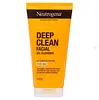
This salicylic acid gel cleanser is formulated around Salicylic Acid to clear breakouts and unclog pores.
This mild gel cleanser is made to cleanse without leaving your skin tight or dry.


What's inside
What's inside
 Key Ingredients
Benefits
Concerns
Ingredients Side-by-side
Water
Skin ConditioningSodium C14-16 Olefin Sulfonate
Cleansing

Cocamidopropyl Hydroxysultaine
Cleansing
Sorbitol
Humectant

Propylene Glycol
Humectant
Gluconolactone
Chelating







Salicylic Acid
Masking


Sodium Benzoate
Masking
Sodium Hydroxide
BufferingPotassium Acrylates Copolymer
Acrylates/C10-30 Alkyl Acrylate Crosspolymer
Emulsion StabilisingCitric Acid
Buffering
Disodium EDTA
Chelating2,6-Dimethyl-7-Octen-2-Ol
Masking

Methyldihydrojasmonate
MaskingTricyclodecenyl Propionate
Masking
Tetramethyl Acetyloctahydronaphthalenes
Masking
Water, Sodium C14-16 Olefin Sulfonate, Cocamidopropyl Hydroxysultaine, Sorbitol, Propylene Glycol, Gluconolactone, Salicylic Acid, Sodium Benzoate, Sodium Hydroxide, Potassium Acrylates Copolymer, Acrylates/C10-30 Alkyl Acrylate Crosspolymer, Citric Acid, Disodium EDTA, 2,6-Dimethyl-7-Octen-2-Ol, Methyldihydrojasmonate, Tricyclodecenyl Propionate, Tetramethyl Acetyloctahydronaphthalenes
Water
Skin ConditioningPropylene Glycol
Humectant
Glycerin
Humectant
Coco-Glucoside
Cleansing
Carbomer
Emulsion StabilisingTriethanolamine
BufferingParfum
Masking
Sodium Metabisulfite
Antioxidant
Tetrasodium EDTA
ChelatingDiazolidinyl Urea
Preservative
Tocopherol
Antioxidant


Sodium PCA
Humectant
Methylparaben
Preservative

Propylparaben
Preservative
Aloe Barbadensis Leaf Juice Powder
Skin Conditioning
Algae Extract
Emollient
Olea Europaea Leaf Extract
Perfuming
Reviews
Ingredients Explained
These ingredients are found in both products.
Ingredients higher up in an ingredient list are typically present in a larger amount.
Propylene Glycol is a synthetic, colorless, odorless liquid that has been a staple in cosmetics for decades. It is a skin conditioning agent, humectant, and solvent.
As a humectant, it draw water to the skin to reduce flaking and restore suppleness. It's also a solvent that helps dissolve other actives and keeps formulas stable across temperature changes.
The CIR Expert Panel has confirmed this ingredient to be nontoxic and clinical studies show no sensitization at cosmetic use concentrations.
True allergic reactions are quite rare: a 15-year retrospective study of 6,751 patients found only 0.31% had a positive reaction (and less than half were considered clinically relevant).
It seemed that when sensitization does occur, it's most commonly linked to topical medication (like corticosteroids) and not cosmetics. Allergic contact dermatitis also appears largely limited to individuals with underlying skin conditions.
Overall, propylene glycol is a well-studied ingredient that most people can tolerate without issue.
Learn more about Propylene GlycolWater. It's the most common cosmetic ingredient of all. You'll usually see it at the top of ingredient lists, meaning that it makes up the largest part of the product.
So why is it so popular? Water most often acts as a solvent - this means that it helps dissolve other ingredients into the formulation.
You'll also recognize water as that liquid we all need to stay alive. If you see this, drink a glass of water. Remember to stay hydrated!
Learn more about Water

