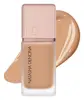
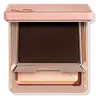
Natasha Denona Hy-Glam Foundation Hydrating & Blurring Luminous Longwear Serum Foundation Versus Natasha Denona HY-GLAM Powder Foundation

What's inside
What's inside
 Key Ingredients
No key ingredients
Benefits
Concerns
Ingredients Side-by-side
Water
Skin ConditioningCI 77891
Cosmetic ColorantDiphenylsiloxy Phenyl Trimethicone
Skin Conditioning
Phenyl Trimethicone
Skin Conditioning
Dimethicone
Emollient
Butylene Glycol
Humectant

Caprylyl Methicone
Skin Conditioning
Glycerin
Humectant
CI 77492
Cosmetic ColorantLauryl Polyglyceryl-3 Polydimethylsiloxyethyl Dimethicone
Skin Conditioning
Isododecane
EmollientTrimethylsiloxysilicate
Emollient
Alcohol Denat.
Antimicrobial




Polyglyceryl-3 Polydimethylsiloxyethyl Dimethicone
Skin Conditioning
Acrylates/Polytrimethylsiloxymethacrylate Copolymer
Skin ConditioningPhenylpropyldimethylsiloxysilicate
EmollientSorbitan Sesquioleate
Emulsifying

C13-15 Alkane
Solvent1,2-Hexanediol
Skin Conditioning
Quaternium-90 Bentonite
Acrylates/Dimethicone Copolymer
Skin Conditioning
Magnesium Sulfate
Boron Nitride
Absorbent
Dimethicone/Vinyl Dimethicone Crosspolymer
Skin Conditioning
CI 77491
Cosmetic ColorantHydroxyacetophenone
Antioxidant
Disodium Stearoyl Glutamate
CleansingCI 77499
Cosmetic ColorantCaprylic/Capric Triglyceride
Masking
Bambusa Arundinacea Stem Powder
Abrasive
Aluminum Hydroxide
EmollientChlorella Emersonii Extract
Skin ConditioningTocopherol
Antioxidant




Jasminum Sambac Leaf Cell Extract
Masking
Vitis Vinifera Fruit Extract
Skin ConditioningCamellia Sinensis Leaf Extract
Antimicrobial

Water, CI 77891, Diphenylsiloxy Phenyl Trimethicone, Phenyl Trimethicone, Dimethicone, Butylene Glycol, Caprylyl Methicone, Glycerin, CI 77492, Lauryl Polyglyceryl-3 Polydimethylsiloxyethyl Dimethicone, Isododecane, Trimethylsiloxysilicate, Alcohol Denat., Polyglyceryl-3 Polydimethylsiloxyethyl Dimethicone, Acrylates/Polytrimethylsiloxymethacrylate Copolymer, Phenylpropyldimethylsiloxysilicate, Sorbitan Sesquioleate, C13-15 Alkane, 1,2-Hexanediol, Quaternium-90 Bentonite, Acrylates/Dimethicone Copolymer, Magnesium Sulfate, Boron Nitride, Dimethicone/Vinyl Dimethicone Crosspolymer, CI 77491, Hydroxyacetophenone, Disodium Stearoyl Glutamate, CI 77499, Caprylic/Capric Triglyceride, Bambusa Arundinacea Stem Powder, Aluminum Hydroxide, Chlorella Emersonii Extract, Tocopherol, Jasminum Sambac Leaf Cell Extract, Vitis Vinifera Fruit Extract, Camellia Sinensis Leaf Extract
Synthetic Fluorphlogopite
Dimethicone
Emollient
CI 77499
Cosmetic ColorantCI 77492
Cosmetic ColorantMica
Cosmetic ColorantCI 77491
Cosmetic ColorantAluminum Hydroxide
EmollientCI 15850
Cosmetic ColorantHydrogen Dimethicone
Potassium Sorbate
Preservative
Chlorphenesin
Antimicrobial
Caprylic/Capric Triglyceride
Masking
Persea Gratissima Oil
Skin Conditioning
Tetrasodium EDTA
Rubus Idaeus Leaf Extract
Skin ConditioningTriethoxycaprylylsilane
CI 77891
Cosmetic ColorantIngredients Explained
These ingredients are found in both products.
Ingredients higher up in an ingredient list are typically present in a larger amount.
Aluminum Hydroxide is a form of aluminum. It can be naturally found in nature as the mineral gibbsite. In cosmetics, Aluminum Hydroxide is used as a colorant, pH adjuster, and absorbent.
As a colorant, Aluminum Hydroxide may add opacity, or reduce the transparency. Aluminum hydroxide is contains both basic and acidic properties.
According to manufacturers, this ingredient is an emollient and humectant. This means it helps hydrate the skin.
In medicine, this ingredient is used to help relieve heartburn and help heal ulcers.
There is currently no credible scientific evidence linking aluminum hydroxide in cosmetics to increased cancer risk.
Major health organizations allow the use of aluminum hydroxide in personal care products and have not flagged it as a carcinogenic risk at typical usage levels.
Learn more about Aluminum HydroxideCaprylic/Capric Triglyceride (aka MCT Oil) is a lightweight emollient, solvent, and texture enhancer. It is considered a skin-softener by helping to prevent moisture loss.
Though it behaves like an oil, it is not technically one due to its chemical composition. One perk of this ingredient is that it is very stable, resistant to oxidation, and unlikely to go rancid.
In practice, that translates to a long shelf life and a consistently elegant skin feel.
While there is an assumption Caprylic Triglyceride can clog pores due to it being derived from coconut oil, there is no research supporting this. Just patch test if you have concerns.
Fractionated coconut oil and MCT Oil are both listed as Caprylic/Capric Triglyceride according to INCI. This is because INCI names are based on the ingredient’s final chemical composition and not its marketing name or source.
This ingredient is treated as the gold standard fungal acne safe oil. Even though it is coconut derived, the problematic lauric acid is stripped out.
This leaves just caprylic (C8) and capric (C10) acid. These chain lengths actually trend antifungal; a 2020 study found caprylic acid was enough to disrupt Malassezia furfur cell membrane, with a caprylic acid derivative damaging membrane structures at concentrations as low as 0.2%.
Learn more about Caprylic/Capric TriglycerideCi 77491 is also hydrated iron III oxide. It's sole purpose is to give a red/pink hue to products.
Iron III oxides are classified as inorganic chemicals for coloring.
Synthetically created Ci 77491 is considered safer than those naturally found. This is because the synthetically created version may contain less impurities. Iron oxides are generally non-toxic and non-allergenic.
Learn more about CI 77491CI 77492 is also hydrated iron III oxide. It's sole purpose is to give a yellow hue to products.
Iron III oxides are classified as inorganic chemicals for coloring.
Synthetically created CI 77492 is considered safer than those naturally found. This is because the synthetically created version may contain less impurities. Iron oxides are generally non-toxic and non-allergenic.
Learn more about CI 77492Ci 77499 is also hydrated iron III oxide. It is created from mixing red and black iron oxides. This helps give shades of darkness to a product.
Iron III oxides are classified as inorganic chemicals for coloring.
Ci 77891 is a white pigment from Titanium dioxide. It is naturally found in minerals such as rutile and ilmenite.
It's main function is to add a white color to cosmetics. It can also be mixed with other colors to create different shades.
Ci 77891 is commonly found in sunscreens due to its ability to block UV rays.
Learn more about CI 77891Dimethicone is a type of synthetic silicone created from natural materials such as quartz. It is also known as polydimethylsiloxane.
What it does:
Dimethicone comes in different viscosities:
Depending on the viscosity, dimethicone has different properties.
Ingredients lists don't always show which type is used, so we recommend reaching out to the brand if you have questions about the viscosity.
This ingredient is unlikely to cause irritation because it does not get absorbed into skin. However, people with silicone allergies should be careful about using this ingredient.
Note: Dimethicone may contribute to pilling. This is because it is not oil or water soluble, so pilling may occur when layered with products. When mixed with heavy oils in a formula, the outcome is also quite greasy.
Learn more about Dimethicone

