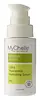
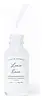
Mychelle Ultra Hyaluronic Hydrating Serum Versus Earth Harbor Luna Rain Phyto-Resurfacing Night Serum
This hydrating serum is formulated around Sodium Hyaluronate and Squalane to hydrate skin and strengthen the skin barrier.
This serum is formulated around Aloe Barbadensis Leaf Juice and Salix Alba Bark Extract to hydrate and calm irritation.

What's inside
What's inside
 Key Ingredients
Benefits
Concerns
Ingredients Side-by-side
Water
Skin ConditioningGlycerin
Humectant


Sodium Hyaluronate
Humectant


Sodium PCA
Humectant
Squalane
Emollient
Honey
Humectant
Phospholipids
Skin Conditioning
Sphingolipids
Emollient
Rosa Canina Fruit Oil
Emollient


Aloe Barbadensis Leaf Juice Powder
Skin Conditioning
Pelargonium Graveolens Flower Oil
Masking



Arginine
Masking
Fructooligosaccharides
Humectant
Allantoin
Skin Conditioning
Hamamelis Virginiana Water
Astringent

Alcohol
Antimicrobial
Citric Acid
Buffering

Potassium Sorbate
Preservative
Phenethyl Alcohol
MaskingCaprylyl Glycol
Emollient
Hyaluronic Acid
Humectant
Trisodium Ethylenediamine Disuccinate
ChelatingWater, Glycerin, Sodium Hyaluronate, Sodium PCA, Squalane, Honey, Phospholipids, Sphingolipids, Rosa Canina Fruit Oil, Aloe Barbadensis Leaf Juice Powder, Pelargonium Graveolens Flower Oil, Arginine, Fructooligosaccharides, Allantoin, Hamamelis Virginiana Water, Alcohol, Citric Acid, Potassium Sorbate, Phenethyl Alcohol, Caprylyl Glycol, Hyaluronic Acid, Trisodium Ethylenediamine Disuccinate
Aloe Barbadensis Leaf Juice
Skin Conditioning
Rosa Canina Seed Oil
Emollient
Glycerin
Humectant
Alcohol
Antimicrobial
Salix Alba Bark Extract
Astringent

Ananas Sativus Fruit Extract
Skin ConditioningPunica Granatum Fruit Extract
Antioxidant
Averrhoa Carambola Fruit Extract
Skin ConditioningPassiflora Incarnata Fruit Extract
Skin ConditioningActinidia Chinensis Fruit Extract
EmollientGarcinia Mangostana Fruit Extract
Skin ConditioningLitchi Chinensis Fruit Extract
Skin ConditioningZizyphus Jujuba Fruit Extract
Psidium Guajava Fruit Extract
AstringentVaccinium Myrtillus Fruit Extract
Skin ConditioningSaccharum Officinarum Extract
MoisturisingCitrus Aurantium Dulcis Fruit Extract
MaskingCitrus Limon Fruit Extract
Masking
Acer Saccharum Extract
Skin ConditioningLaminaria Japonica Extract
Skin Protecting
Citrus Paradisi Peel Oil
Masking
Rosmarinus Officinalis Leaf Extract
AntimicrobialHelianthus Annuus Seed Oil
Emollient
Melia Azadirachta Seed Oil
Emollient
Xanthan Gum
EmulsifyingAloe Barbadensis Leaf Juice, Rosa Canina Seed Oil, Glycerin, Alcohol, Salix Alba Bark Extract, Ananas Sativus Fruit Extract, Punica Granatum Fruit Extract, Averrhoa Carambola Fruit Extract, Passiflora Incarnata Fruit Extract, Actinidia Chinensis Fruit Extract, Garcinia Mangostana Fruit Extract, Litchi Chinensis Fruit Extract, Zizyphus Jujuba Fruit Extract, Psidium Guajava Fruit Extract, Vaccinium Myrtillus Fruit Extract, Saccharum Officinarum Extract, Citrus Aurantium Dulcis Fruit Extract, Citrus Limon Fruit Extract, Acer Saccharum Extract, Laminaria Japonica Extract, Citrus Paradisi Peel Oil, Rosmarinus Officinalis Leaf Extract, Helianthus Annuus Seed Oil, Melia Azadirachta Seed Oil, Xanthan Gum
Reviews
Ingredients Explained
These ingredients are found in both products.
Ingredients higher up in an ingredient list are typically present in a larger amount.
This ingredient is also called ethanol or ethyl alcohol. It is denatured, meaning made undrinkable for cosmetic use.
In formulas, it:
Is it bad for your skin?
The answer comes down to concentration. Patch and wash studies have found highly concentrated alcohol-based hand rubs (60-100%) cause less barrier disruption than washing with a basic detergent like SLS. The only measurable effect in these studies was a temporary dip in skin hydration.
Concentrations below 12-15% in leave-on cosmetics is generally well-tolerated. Concentrations above start to see increased transepidermal water loss (TEWL) and reduced hydration.
In concentrations about 58%, it creates temporary channels in your skin's lipid layers to become more permeable and allow other ingredients to slip through easily.
This ingredient can be up to 80% of the formula in alcohol-based perfumes.
Overall, this ingredient is probably harmless if found lower down an ingredients list but worth side-eyeing if it's high up (especially if your barrier is already struggling).
Alcohol can worsen dry skin, eczema, and oily skin, especially at higher concentrations. This is because it can increase transepidermal water loss and decrease hydration to disrupt the skin barrier.
According to the National Rosacea Society based in the US, you should be mindful of products with these alcohols in the top half of ingredients.
True allergic contact dermatitis to ethanol is uncommon, but be sure to patch test if you have dry or sensitive skin.
Learn more about AlcoholGlycerin (or glycerol) is a compound naturally found in your skin. It's a powerhouse humectant that pulls water into the stratum corneum.
Topically, glycerin does several things at once:
Your skin makes glycerin on its own (mostly from sebaceous oil breakdown) and shuttles it to your outermost layer of skin, or your epidermis, via aquaporin-3.
Aquaporin-3 is a transporter that is essential for normal skin hydration, elasticity, and repair. Interestingly, mice lacking in AQP3 have dry and less elastic skin that can be fully corrected with glycerin.
This ingredient is non-irritating, plays well with almost every ingredient, and works across all skin types. Typical use is anywhere between 3-10% but can go up to 79% in some leave-on products.
Just know very high concentrations (>40%) can feel tacky in low humidity.
Glycerin is the name for this ingredient in American English. British English uses Glycerol/Glycerine.
Learn more about Glycerin

