

What's inside
What's inside
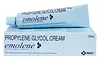 Key Ingredients
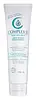
Benefits
Concerns
Ingredients Side-by-side
Propylene Glycol
Humectant


Urea
Buffering


Lecithin
Emollient
Magnesium Aluminum Silicate
Absorbent
Carbomer
Emulsion StabilisingGlycerin
Humectant
Sodium Hydroxide
BufferingCaprylic/Capric Triglyceride
Masking
Dimethicone
Emollient
Squalene
Emollient
PEG-40 Stearate
Emulsifying
Stearic Acid
Cleansing
Glycol Stearate
Emollient
Glyceryl Stearate
Emollient
Cetyl Alcohol
Emollient
Myristyl Myristate
Emollient
Oleth-10 Carboxylic Acid
CleansingBHA
Antioxidant
Toluene
Antioxidant
Water
Skin ConditioningEDTA
ChelatingPropylene Glycol, Urea, Lecithin, Magnesium Aluminum Silicate, Carbomer, Glycerin, Sodium Hydroxide, Caprylic/Capric Triglyceride, Dimethicone, Squalene, PEG-40 Stearate, Stearic Acid, Glycol Stearate, Glyceryl Stearate, Cetyl Alcohol, Myristyl Myristate, Oleth-10 Carboxylic Acid, BHA, Toluene, Water, EDTA
Water
Skin ConditioningCaprylic Acid
CleansingGlycerin
Humectant
Squalane
Emollient
Glyceryl Stearate
Emollient
Propylene Glycol
Humectant
PEG-40 Stearate
Emulsifying
Cetyl Alcohol
Emollient
Dimethicone
Emollient
Glycol Stearate
Emollient
Myristyl Myristate
Emollient
Stearic Acid
Cleansing
Carbomer
Emulsion StabilisingMagnesium Aluminum Silicate
Absorbent
Diazolidinyl Urea
Preservative

Lecithin
Emollient
Sodium Hydroxide
BufferingC10-30 Cholesterol/Lanosterol Esters
Emulsifying
BHT
Antioxidant
Tetrasodium EDTA
ChelatingWater, Caprylic Acid, Glycerin, Squalane, Glyceryl Stearate, Propylene Glycol, PEG-40 Stearate, Cetyl Alcohol, Dimethicone, Glycol Stearate, Myristyl Myristate, Stearic Acid, Carbomer, Magnesium Aluminum Silicate, Diazolidinyl Urea, Lecithin, Sodium Hydroxide, C10-30 Cholesterol/Lanosterol Esters, BHT, Tetrasodium EDTA
Reviews
Ingredients Explained
These ingredients are found in both products.
Ingredients higher up in an ingredient list are typically present in a larger amount.
Carbomer is a synthetic thickening and gelling agent. It's basically the ingredient that gives a lot of serums, gels, creams, and sunscreens their smooth, non-sticky texture.
Although legally permitted at very high levels, carbomers are normally used at concentrations below 1%.
It also needs to be neutralized to actually thicken, and because it is a large molecule, it doesn't really penetrate the skin barrier.
Allergy-wise, the risk is very low. Clinical studies show carbomers have low potential for skin irritation/sensitization even at concentrations up to 100%.
A 2024 UK study patch-tested 1,302 patients and found true allergy to the parent group of carbomer to be rare with no confirmed relevant reactions.
Learn more about CarbomerCetyl Alcohol is a fatty alcohol. Fatty Alcohols are most often used as an emollient or to thicken a product.
Its main roles are:
Though it has "alcohol" in the name, it is not related to denatured alcohol or ethyl alcohol.
The FDA allows products labeled "alcohol-free" to have fatty alcohols.
This ingredient may not be fungal acne safe. It is a primary fatty alcohol with a chain length above 12 carbons. A study from 2019 show Malassezia can feed on fatty alcohols in this range, so it may trigger fungal acne in those prone to it.
Learn more about Cetyl AlcoholDimethicone is a type of synthetic silicone created from natural materials such as quartz. It is also known as polydimethylsiloxane.
What it does:
Dimethicone comes in different viscosities:
Depending on the viscosity, dimethicone has different properties.
Ingredients lists don't always show which type is used, so we recommend reaching out to the brand if you have questions about the viscosity.
This ingredient is unlikely to cause irritation because it does not get absorbed into skin. However, people with silicone allergies should be careful about using this ingredient.
Note: Dimethicone may contribute to pilling. This is because it is not oil or water soluble, so pilling may occur when layered with products. When mixed with heavy oils in a formula, the outcome is also quite greasy.
Learn more about DimethiconeGlycerin (or glycerol) is a compound naturally found in your skin. It's a powerhouse humectant that pulls water into the stratum corneum.
Topically, glycerin does several things at once:
Your skin makes glycerin on its own (mostly from sebaceous oil breakdown) and shuttles it to your outermost layer of skin, or your epidermis, via aquaporin-3.
Aquaporin-3 is a transporter that is essential for normal skin hydration, elasticity, and repair. Interestingly, mice lacking in AQP3 have dry and less elastic skin that can be fully corrected with glycerin.
This ingredient is non-irritating, plays well with almost every ingredient, and works across all skin types. Typical use is anywhere between 3-10% but can go up to 79% in some leave-on products.
Just know very high concentrations (>40%) can feel tacky in low humidity.
Glycerin is the name for this ingredient in American English. British English uses Glycerol/Glycerine.
Learn more about GlycerinGlyceryl Stearate is made by reacting glycerin with stearic acid (typically sourced from plant oils like palm or coconut). It's an emulsifier, emollient, and mild occlusive.
Emulsifiers help ingredients like oil and water stay mixed so your formula stays nicely blended and uniform in texture.
This ingredient is typically used in concentrations between 1-10%. Studies have found it to be non-sensitizing, non-phototoxic, and non-photoallergenic.
A close cousin of this ingredient is Glyceryl Stearate SE ("self-emulsifying"). This just has a small amount of sodium or potassium stearate added so it can emulsify without a co-emulsifier.
Since this ingredient is an ester of a C18 fatty acid, it may not be fungal acne safe. The Malassezia yeast can potentially metabolize within the C11-C24 range.
Fun fact: The human body also creates Glyceryl Stearate naturally.
Learn more about Glyceryl StearateGlycol Stearate comes from stearic acid and ethylene glycol.
It is a creamy wax used to stabilize ingredients as an emulsifier. Glycol stearate also contains emollient properties. Emollients sit on top of the skin to prevent moisture from escaping.
This ingredient may not be Malassezia folliculitis, or fungal-acne safe.
Learn more about Glycol StearateLecithin is a term for a group of substances found in the cell membranes of plants, animals, and humans. They are made up of phospholipids.
Thanks to its amphiphilic structure (water-loving head and oil-loving tail), it is a true multitasker:
It plays well with most ingredients and is typically used at 0.1-1%. However, concentrations up to 50% have been reported in moisturizers.
Learn more about LecithinMagnesium Aluminum Silicate is a type of silica. It comes from naturally occuring minerals such as silicate ores and clay.
Magnesium aluminum silicate is used for enhancing texture and as an absorbent. Due to its large molecular size, it is unable to be absorbed into the skin.
Like other types of silica, this ingredient can be used to thicken a product. As an absorbent, it may be used to absorb extra water or help prevent clumping.
Although “aluminum” in an ingredient name can raise red flags for some consumers, the form and usage context matter significantly. For typical topical applications, there is no substantial evidence of health risks - such as cancer, neurotoxicity, or systemic “aluminum overload.”
Learn more about Magnesium Aluminum SilicateMyristyl Myristate is a waxy ester made by combining myristyl alcohol and myristic acid (both from plant oils from coconut or palm).
It's a non-greasy emollient that melts right around skin temperature. It gives products a soft and velvet feel and helps improve how a cream spreads.
Safety-wise, it's deemed safe to use in cosmetics by the Cosmetic Ingredient Review Expert Panel. Dermal animal testing found it to be non-toxic and non-irritating.
This ingredient has a comedogenic reputation; it's important to know comedogenic ratings come from outdated rabbit ear tests. Rabbit ears are way more sensitive than human skin and prone to clogging. How likely a formula will clog pores depends on the overall formulation rather than a few comedogenic ingredients.
Because this ingredient is an ester of Myristic acid, it may not be fungal acne safe. Myristic acid is a C14 fatty acid that sits in the C11-24 range that feeds the Malassezia yeast.
Learn more about Myristyl MyristatePEG-40 Stearate is a nonionic emulsifier and surfactant made from stearic acid.
It's water-soluble and good at coaxing oil + water to mix to keep everything stable.
The CIR Expert Panel has repeatedly concluded this ingredient to be safe at current cosmetic use levels with minimal skin/eye irritation when tested at 100%.
Your skincare also won't be containing 100% of this ingredient: the supplier recommends using 1-5% in a formula.
Broader reviews back this up: PEGs and their fatty-acid esters produce little or no skin/eye irritation, don't readily penetract intact skin, and rarely cause sensitization.
Because this ingredient is a PEG ester of stearic acid, it may not be fungal acne, or Malassezia, safe. Stearic acid (C18) sits in the C11-24 "edible window" that Malassezia lipases can cleave and metabolize.
Learn more about PEG-40 StearatePropylene Glycol is a synthetic, colorless, odorless liquid that has been a staple in cosmetics for decades. It is a skin conditioning agent, humectant, and solvent.
As a humectant, it draw water to the skin to reduce flaking and restore suppleness. It's also a solvent that helps dissolve other actives and keeps formulas stable across temperature changes.
The CIR Expert Panel has confirmed this ingredient to be nontoxic and clinical studies show no sensitization at cosmetic use concentrations.
True allergic reactions are quite rare: a 15-year retrospective study of 6,751 patients found only 0.31% had a positive reaction (and less than half were considered clinically relevant).
It seemed that when sensitization does occur, it's most commonly linked to topical medication (like corticosteroids) and not cosmetics. Allergic contact dermatitis also appears largely limited to individuals with underlying skin conditions.
Overall, propylene glycol is a well-studied ingredient that most people can tolerate without issue.
Learn more about Propylene GlycolSodium Hydroxide is also known as lye or caustic soda. It is used to adjust the pH of products; many ingredients require a specific pH to be effective.
In small amounts, sodium hydroxide is considered safe to use. However, large amounts may cause chemical burns due to its high alkaline.
Your skin has a natural pH and acid mantle. This acid mantle helps prevent harmful bacteria from breaking through. The acid mantle also helps keep your skin hydrated.
"Alkaline" refers to a high pH level. A low pH level would be considered acidic.
Learn more about Sodium HydroxideStearic Acid is a fatty acid that is already found in your skin. It's one of the free fatty acids that works alongside ceramides and cholesterols to maintain your barrier.
In cosmetics, it is a multitasker:
Safety-wise, the CIR Expert Panel has concluded it to be safe in cosmetics when formulated to be non-irritating and non-sensitizing.
Free stearic acid is a C18 fatty acid that the Malassezia yeast can substrate, so this ingredient may not be fungal acne safe.
This ingredient does have a comedogenic rating of 2-3, but this doesn't mean a formula with this ingredient will clog pores.
Human testing has proved that any finished product with this ingredient won't automatically make you break out; it really comes down to concentration, formula, and your skin.
Learn more about Stearic AcidWater. It's the most common cosmetic ingredient of all. You'll usually see it at the top of ingredient lists, meaning that it makes up the largest part of the product.
So why is it so popular? Water most often acts as a solvent - this means that it helps dissolve other ingredients into the formulation.
You'll also recognize water as that liquid we all need to stay alive. If you see this, drink a glass of water. Remember to stay hydrated!
Learn more about Water


