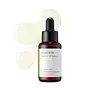
This brightening serum is formulated around Ascorbic Acid and 3-O-Ethyl Ascorbic Acid to brighten dull-looking skin and fade the look of dark spots.
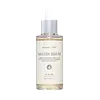
This barrier-repair serum is formulated around Centella Asiatica Extract and Bifida Ferment Extract to strengthen the skin barrier and calm redness.

What's inside
What's inside
 Key Ingredients
Benefits
Concerns
No concerns
Ingredients Side-by-side
Water
Skin ConditioningAscorbic Acid
Antioxidant






Propanediol
Solvent

Alcohol Denat.
Antimicrobial




Betaine
Humectant
1,2-Hexanediol
Skin Conditioning
3-O-Ethyl Ascorbic Acid
Skin Conditioning

Sodium Citrate
BufferingTromethamine
BufferingCaffeic Acid
Antioxidant
Glutathione
Hydroxypropyl Methylcellulose
Emulsion StabilisingGluconolactone
Skin Conditioning


Glucosylrutin
Antioxidant
Adenosine
Skin Conditioning
Butylene Glycol
Humectant
Coptis Japonica Extract
AntimicrobialFerulic Acid
Antimicrobial
Niacinamide
Smoothing
Isoquercitrin
Antioxidant
Water, Ascorbic Acid, Propanediol, Alcohol Denat., Betaine, 1,2-Hexanediol, 3-O-Ethyl Ascorbic Acid, Sodium Citrate, Tromethamine, Caffeic Acid, Glutathione, Hydroxypropyl Methylcellulose, Gluconolactone, Glucosylrutin, Adenosine, Butylene Glycol, Coptis Japonica Extract, Ferulic Acid, Niacinamide, Isoquercitrin

Reviews
Ingredients Explained
These ingredients are found in both products.
Ingredients higher up in an ingredient list are typically present in a larger amount.
Butylene Glycol (or BG) is used within cosmetic products for a few different reasons:
Overall, Butylene Glycol is a safe and well-rounded ingredient that works well with other ingredients.
Though this ingredient works well with most skin types, some people with sensitive skin may experience a reaction such as allergic rashes, closed comedones, or itchiness.
Learn more about Butylene GlycolWater. It's the most common cosmetic ingredient of all. You'll usually see it at the top of ingredient lists, meaning that it makes up the largest part of the product.
So why is it so popular? Water most often acts as a solvent - this means that it helps dissolve other ingredients into the formulation.
You'll also recognize water as that liquid we all need to stay alive. If you see this, drink a glass of water. Remember to stay hydrated!
Learn more about Water

