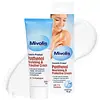
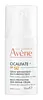
Mivolis Panthenol Nourishing & Protective Cream Versus Avène Cicalfate+ Multi-Protective Skin Repair Cream SPF 50+
This chemical sunscreen covers the full UV range and blocks ~98% of UVB at SPF 50.


What's inside
What's inside
 Key Ingredients
No key ingredients
Benefits
Concerns
Ingredients Side-by-side


Water
Skin ConditioningC12-15 Alkyl Benzoate
AntimicrobialCaprylic/Capric Triglyceride
Masking


Dicaprylyl Carbonate
EmollientGlycerin
Humectant
Diethylamino Hydroxybenzoyl Hexyl Benzoate
UV Filter
Ethylhexyl Triazone
UV Absorber
Panthenol
Skin Conditioning

Polyglyceryl-6 Stearate
Emollient

Phenylene Bis-Diphenyltriazine
Stabilising
Bis-Ethylhexyloxyphenol Methoxyphenyl Triazine
UV Absorber
Vp/Eicosene Copolymer
Aquaphilus Dolomiae Ferment Filtrate
Skin ConditioningArginine
Masking
Benzoic Acid
Masking

Caprylyl Glycol
Emollient
Glyceryl Stearate
Emollient
Glycine Soja Oil
Emollient



Pantolactone
Humectant
Polyglyceryl-6 Behenate
Emulsion Stabilising
PPG-1-PEG-9 Lauryl Glycol Ether
EmulsifyingCI 17200
Cosmetic ColorantSodium Hyaluronate
Humectant

Stearyl Alcohol
Emollient
Tocopherol
Antioxidant


Tocopheryl Glucoside
EmollientTromethamine
BufferingXanthan Gum
EmulsifyingZinc Sulfate
Antimicrobial
Water, C12-15 Alkyl Benzoate, Caprylic/Capric Triglyceride, Dicaprylyl Carbonate, Glycerin, Diethylamino Hydroxybenzoyl Hexyl Benzoate, Ethylhexyl Triazone, Panthenol, Polyglyceryl-6 Stearate, Phenylene Bis-Diphenyltriazine, Bis-Ethylhexyloxyphenol Methoxyphenyl Triazine, Vp/Eicosene Copolymer, Aquaphilus Dolomiae Ferment Filtrate, Arginine, Benzoic Acid, Caprylyl Glycol, Glyceryl Stearate, Glycine Soja Oil, Pantolactone, Polyglyceryl-6 Behenate, PPG-1-PEG-9 Lauryl Glycol Ether, CI 17200, Sodium Hyaluronate, Stearyl Alcohol, Tocopherol, Tocopheryl Glucoside, Tromethamine, Xanthan Gum, Zinc Sulfate
Reviews
Ingredients Explained
These ingredients are found in both products.
Ingredients higher up in an ingredient list are typically present in a larger amount.
Benzoic Acid is an organic acid that shows up in cosmetics as a preservative. It helps keep a product from spoiling by holding back the growth of yeast, mold, and some bacteria.
This ingredient also functions as a fragrance ingredient that helps mask the unpleasant scent of other ingredients.
The way it works is worth understanding; benzoic acid works when the formula is acidic. It is able to sneak into a microbe's cell and mess up how it functions to stop it from growing in an acidic product.
However, the acid switches to an inactive form and stops working if a product isn't acidic enough (above ~5 pH). This is why you'll often see it in low pH products or teamed up with other preservatives to cover the gap.
Safety wise, it's one of the better studied preservatives out there.
The Cosmetic Ingredient Review Expert Panel has concluded this ingredient to be safe for use in cosmetic formulations at concentrations up to 5%.
A large international review found this ingredient had no effects on the human body and had low irritation potential.
Just so you know, real world use is usually much lower than the 5% ceiling (usually 1% of less).
The EU caps it at 2.5% in rinse-off products, 1.7% in oral care, and 0.5% in leave-on products.
One thing worth mentioning (it's nothing to worry about): some people get a little stinging or flushing where they apply it. This isn't a true allergy; it's a temporary and harmless reaction. This is the same kind of mild tingle you might notice from sorbic acid.
Learn more about Benzoic AcidCaprylic/Capric Triglyceride (aka MCT Oil) is a lightweight emollient, solvent, and texture enhancer. It is considered a skin-softener by helping to prevent moisture loss.
Though it behaves like an oil, it is not technically one due to its chemical composition. One perk of this ingredient is that it is very stable, resistant to oxidation, and unlikely to go rancid.
In practice, that translates to a long shelf life and a consistently elegant skin feel.
While there is an assumption Caprylic Triglyceride can clog pores due to it being derived from coconut oil, there is no research supporting this. Just patch test if you have concerns.
Fractionated coconut oil and MCT Oil are both listed as Caprylic/Capric Triglyceride according to INCI. This is because INCI names are based on the ingredient’s final chemical composition and not its marketing name or source.
This ingredient is treated as the gold standard fungal acne safe oil. Even though it is coconut derived, the problematic lauric acid is stripped out.
This leaves just caprylic (C8) and capric (C10) acid. These chain lengths actually trend antifungal; a 2020 study found caprylic acid was enough to disrupt Malassezia furfur cell membrane, with a caprylic acid derivative damaging membrane structures at concentrations as low as 0.2%.
Learn more about Caprylic/Capric TriglyceridePanthenol is a common ingredient that helps hydrate and soothe the skin. It is found naturally in our skin and hair.
There are two forms of panthenol: D and L.
D-panthenol is also known as dexpanthenol. Most cosmetics use dexpanthenol or a mixture of D and L-panthenol.
Panthenol is famous due to its ability to go deeper into the skin's layers. Using this ingredient has numerous pros (and no cons):
Like hyaluronic acid, panthenol is a humectant. Humectants are able to bind and hold large amounts of water to keep skin hydrated.
This ingredient works well for wound healing. It works by increasing tissue in the wound and helps close open wounds.
Once oxidized, panthenol converts to pantothenic acid. Panthothenic acid is found in all living cells.
This ingredient is also referred to as pro-vitamin B5.
Learn more about PanthenolWater. It's the most common cosmetic ingredient of all. You'll usually see it at the top of ingredient lists, meaning that it makes up the largest part of the product.
So why is it so popular? Water most often acts as a solvent - this means that it helps dissolve other ingredients into the formulation.
You'll also recognize water as that liquid we all need to stay alive. If you see this, drink a glass of water. Remember to stay hydrated!
Learn more about WaterZinc Sulfate has antimicrobial and astringent properties. It is created synthetically from zinc and sulfuric acid.
Despite having ‘sulfate’ in the name, it isn’t a surfactant or cleansing agent like sodium lauryl sulfate. Unlike those sulfates, zinc sulfate doesn’t have the same cleansing or foaming properties.


