This brightening serum is formulated around Centella Asiatica Leaf Water and 3-O-Ethyl Ascorbic Acid to brighten dull-looking skin and fade the look of dark spots.
This brightening serum is formulated around Ascorbic Acid and Sodium Hyaluronate to brighten dull-looking skin and soften the look of wrinkles.


What's inside
What's inside
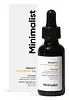 Key Ingredients
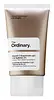
Benefits
Concerns
No concerns
Ingredients Side-by-side
Centella Asiatica Leaf Water
Skin Conditioning


3-O-Ethyl Ascorbic Acid
Skin Conditioning




Ethoxydiglycol
HumectantDimethyl Isosorbide
SolventGluconolactone
Chelating



Glycerin
Humectant
Sodium Gluconate
ChelatingAcetyl Glucosamine
Skin Conditioning
Sodium Hyaluronate
Humectant
Pullulan
Hydroxyethylcellulose
Emulsion StabilisingXanthan Gum
EmulsifyingSclerotium Gum
Emulsion StabilisingPhenoxyethanol
Preservative
Ethylhexylglycerin
Skin ConditioningLecithin
Emollient
Lactic Acid
Buffering



Citric Acid
Buffering
Centella Asiatica Leaf Water, 3-O-Ethyl Ascorbic Acid, Ethoxydiglycol, Dimethyl Isosorbide, Gluconolactone, Glycerin, Sodium Gluconate, Acetyl Glucosamine, Sodium Hyaluronate, Pullulan, Hydroxyethylcellulose, Xanthan Gum, Sclerotium Gum, Phenoxyethanol, Ethylhexylglycerin, Lecithin, Lactic Acid, Citric Acid
Ascorbic Acid
Antioxidant
Squalane
Emollient
Isodecyl Neopentanoate
EmollientIsononyl Isononanoate
EmollientCoconut Alkanes
Emollient

Ethylene/Propylene/Styrene Copolymer
Ethylhexyl Palmitate
Emollient

Silica Dimethyl Silylate
EmollientSodium Hyaluronate
Humectant
Glucomannan
Skin ConditioningCoco-Caprylate/Caprate
Emollient
Butylene/Ethylene/Styrene Copolymer
Acrylates/Ethylhexyl Acrylate Crosspolymer
Trihydroxystearin
Skin Conditioning
BHT
Antioxidant
Ascorbic Acid, Squalane, Isodecyl Neopentanoate, Isononyl Isononanoate, Coconut Alkanes, Ethylene/Propylene/Styrene Copolymer, Ethylhexyl Palmitate, Silica Dimethyl Silylate, Sodium Hyaluronate, Glucomannan, Coco-Caprylate/Caprate, Butylene/Ethylene/Styrene Copolymer, Acrylates/Ethylhexyl Acrylate Crosspolymer, Trihydroxystearin, BHT
Reviews
Ingredients Explained
These ingredients are found in both products.
Ingredients higher up in an ingredient list are typically present in a larger amount.
Sodium Hyaluronate is the salt form of hyaluronic acid. It is a long sugar chain that is naturally found in your skin, joints, and connective tissue that maintains hydration and elasticity.
In skincare, it works as a humectant. It pulls water from the environment and deeper layers of skin and binds it to the surface.
Interestingly, the size of the molecule affects its behavior:
Some clinical evidence links low molecular weight versions to improved wrinkle depth, elasticity, anti-inflammatory effects, and barrier repair.
Many serums use a blend of both weights so you can get surface hydration plus longer-lasting and deeper effects.
You'll typically see concentrations between 0.1-2% for this ingredient.
Learn more about Sodium Hyaluronate

