Mesoestetic Age Element Brightening Concentrate Versus Replenix Retinol+Bakuchiol Concentrated Serum
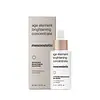
This brightening serum is formulated around Niacinamide and 3-O-Ethyl Ascorbic Acid to brighten dull-looking skin and fade the look of dark spots.


What's inside
What's inside
 Key Ingredients
Benefits
Concerns
Ingredients Side-by-side
Water
Skin ConditioningNiacinamide
Smoothing











Dipropylene Glycol
HumectantPentylene Glycol
Skin Conditioning
3-O-Ethyl Ascorbic Acid
Skin Conditioning
Isopentyldiol
Humectant
PEG-7 Glyceryl Cocoate
Emulsifying




Glycerin
Humectant
1,2-Hexanediol
Skin Conditioning
Arginine
Masking
Shikimic Acid
Skin ConditioningAcetyl Tetrapeptide-2
Skin Conditioning
Biosaccharide Gum-1
Humectant
Ascorbyl Propyl Hyaluronate
Skin Conditioning
Hydrolyzed Yeast Extract
Skin ConditioningGlycolipids
Skin ConditioningEthylhexylglycerin
Skin ConditioningFerulic Acid
Antimicrobial
Maslinic Acid
Antioxidant
Isoquercetin
Antioxidant
Ammonium Polyacryloyldimethyl Taurate
Emulsion StabilisingPropanediol
Solvent
T-Butyl Alcohol
Perfuming


Sodium Citrate
BufferingDisodium EDTA
ChelatingPhenoxyethanol
Preservative
CI 15985
Cosmetic ColorantWater, Niacinamide, Dipropylene Glycol, Pentylene Glycol, 3-O-Ethyl Ascorbic Acid, Isopentyldiol, PEG-7 Glyceryl Cocoate, Glycerin, 1,2-Hexanediol, Arginine, Shikimic Acid, Acetyl Tetrapeptide-2, Biosaccharide Gum-1, Ascorbyl Propyl Hyaluronate, Hydrolyzed Yeast Extract, Glycolipids, Ethylhexylglycerin, Ferulic Acid, Maslinic Acid, Isoquercetin, Ammonium Polyacryloyldimethyl Taurate, Propanediol, T-Butyl Alcohol, Sodium Citrate, Disodium EDTA, Phenoxyethanol, CI 15985



Ingredients Explained
These ingredients are found in both products.
Ingredients higher up in an ingredient list are typically present in a larger amount.
Glycerin (or glycerol) is a compound naturally found in your skin. It's a powerhouse humectant that pulls water into the stratum corneum.
Topically, glycerin does several things at once:
Your skin makes glycerin on its own (mostly from sebaceous oil breakdown) and shuttles it to your outermost layer of skin, or your epidermis, via aquaporin-3.
Aquaporin-3 is a transporter that is essential for normal skin hydration, elasticity, and repair. Interestingly, mice lacking in AQP3 have dry and less elastic skin that can be fully corrected with glycerin.
This ingredient is non-irritating, plays well with almost every ingredient, and works across all skin types. Typical use is anywhere between 3-10% but can go up to 79% in some leave-on products.
Just know very high concentrations (>40%) can feel tacky in low humidity.
Glycerin is the name for this ingredient in American English. British English uses Glycerol/Glycerine.
Learn more about GlycerinIsopentyldiol is a synthetic solvent, humectant, and emollient.
Humectants have the ability to attract and hold water while emollients create a thin film to prevent water from evaporating. This combination keeps your skin and hair soft and hydrated. Plus, isopentyldiol does not leave a sticky feeling behind.
As a surfactant, isopentyldiol is a hydrotrope. Hydrotropes help surfactants (cleansing agents) dissolve into water.
According to the manufacturer, using this ingredient with sorbitol boosts skin hydration and helps close cuticles of damaged hair.
This ingredient is water-soluble.
Learn more about IsopentyldiolWater. It's the most common cosmetic ingredient of all. You'll usually see it at the top of ingredient lists, meaning that it makes up the largest part of the product.
So why is it so popular? Water most often acts as a solvent - this means that it helps dissolve other ingredients into the formulation.
You'll also recognize water as that liquid we all need to stay alive. If you see this, drink a glass of water. Remember to stay hydrated!
Learn more about Water

