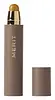
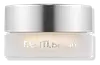
Merit Beauty The Minimalist Perfecting Complexion Foundation and Concealer Stick Versus r.e.m. beauty Sweetener Concealer

What's inside
What's inside
 Key Ingredients
Benefits
Concerns
Ingredients Side-by-side
Hydrogenated Polydecene
EmollientCaprylic/Capric Triglyceride
Masking


Octyldodecanol
Emollient
Silica
Abrasive


Polyethylene
Abrasive
Dipentaerythrityl Hexahydroxystearate/Hexastearate/Hexarosinate
Skin ConditioningHydrogenated Polyisobutene
EmollientCopernicia Cerifera Wax

Synthetic Wax
Abrasive
Triethoxycaprylylsilane

Cera Microcristallina
Emulsion StabilisingSorbitan Isostearate
Emulsifying
Pancratium Maritimum Extract
BleachingTocopheryl Acetate
Antioxidant


Dimethicone
Emollient
Caprylyl Glycol
Emollient
Propylene Carbonate
SolventEthylhexylglycerin
Skin Conditioning1,2-Hexanediol
Skin Conditioning
Stearalkonium Hectorite
Gel FormingGlycerin
Humectant
Water
Skin ConditioningMica
Cosmetic ColorantBHT
Antioxidant
CI 77491
Cosmetic ColorantCI 77891
Cosmetic ColorantHydrogenated Polydecene, Caprylic/Capric Triglyceride, Octyldodecanol, Silica, Polyethylene, Dipentaerythrityl Hexahydroxystearate/Hexastearate/Hexarosinate, Hydrogenated Polyisobutene, Copernicia Cerifera Wax, Synthetic Wax, Triethoxycaprylylsilane, Cera Microcristallina, Sorbitan Isostearate, Pancratium Maritimum Extract, Tocopheryl Acetate, Dimethicone, Caprylyl Glycol, Propylene Carbonate, Ethylhexylglycerin, 1,2-Hexanediol, Stearalkonium Hectorite, Glycerin, Water, Mica, BHT, CI 77491, CI 77891
Isodecyl Neopentanoate
EmollientCaprylic/Capric Triglyceride
Masking
Dicalcium Phosphate
Abrasive
Bis-Behenyl/Isostearyl/Phytosteryl Dimer Dilinoleyl Dimer Dilinoleate
EmollientIsononyl Isononanoate
EmollientPolyethylene
Abrasive
Polybutene
Silica
Abrasive
Zinc Stearate
Cosmetic ColorantDipentaerythrityl Hexahydroxystearate
EmulsifyingDisteardimonium Hectorite
StabilisingPentaerythrityl Tetra-Di-T-Butyl Hydroxyhydrocinnamate
Antioxidant
Methicone
Emollient
Alcohol
Antimicrobial



Water
Skin ConditioningTocopherol
Antioxidant


Ethylhexyl Palmitate
Emollient
Rubus Idaeus Leaf Extract
Skin ConditioningTrihydroxystearin
Skin Conditioning
Withania Somnifera Root Extract
Skin Conditioning
Sodium Hyaluronate
Humectant
CI 77891
Cosmetic ColorantIron Oxides
CI 77007
Cosmetic ColorantIsodecyl Neopentanoate, Caprylic/Capric Triglyceride, Dicalcium Phosphate, Bis-Behenyl/Isostearyl/Phytosteryl Dimer Dilinoleyl Dimer Dilinoleate, Isononyl Isononanoate, Polyethylene, Polybutene, Silica, Zinc Stearate, Dipentaerythrityl Hexahydroxystearate, Disteardimonium Hectorite, Pentaerythrityl Tetra-Di-T-Butyl Hydroxyhydrocinnamate, Methicone, Alcohol, Water, Tocopherol, Ethylhexyl Palmitate, Rubus Idaeus Leaf Extract, Trihydroxystearin, Withania Somnifera Root Extract, Sodium Hyaluronate, CI 77891, Iron Oxides, CI 77007
Reviews
Ingredients Explained
These ingredients are found in both products.
Ingredients higher up in an ingredient list are typically present in a larger amount.
Caprylic/Capric Triglyceride (aka MCT Oil) is a lightweight emollient, solvent, and texture enhancer. It is considered a skin-softener by helping to prevent moisture loss.
Though it behaves like an oil, it is not technically one due to its chemical composition. One perk of this ingredient is that it is very stable, resistant to oxidation, and unlikely to go rancid.
In practice, that translates to a long shelf life and a consistently elegant skin feel.
While there is an assumption Caprylic Triglyceride can clog pores due to it being derived from coconut oil, there is no research supporting this. Just patch test if you have concerns.
Fractionated coconut oil and MCT Oil are both listed as Caprylic/Capric Triglyceride according to INCI. This is because INCI names are based on the ingredient’s final chemical composition and not its marketing name or source.
This ingredient is treated as the gold standard fungal acne safe oil. Even though it is coconut derived, the problematic lauric acid is stripped out.
This leaves just caprylic (C8) and capric (C10) acid. These chain lengths actually trend antifungal; a 2020 study found caprylic acid was enough to disrupt Malassezia furfur cell membrane, with a caprylic acid derivative damaging membrane structures at concentrations as low as 0.2%.
Learn more about Caprylic/Capric TriglycerideCi 77891 is a white pigment from Titanium dioxide. It is naturally found in minerals such as rutile and ilmenite.
It's main function is to add a white color to cosmetics. It can also be mixed with other colors to create different shades.
Ci 77891 is commonly found in sunscreens due to its ability to block UV rays.
Learn more about CI 77891Polyethylene is a synthetic ingredient that helps the skin retain moisture. It is a polymer.
It is also typically used within product formulations to help bind solid ingredients together and thicken oil-based ingredients. When added to balms and emulsions, it helps increase the melting point temperature.
Silica, also known as silicon dioxide, is a naturally occurring mineral. It is used as a fine, spherical, and porous powder in cosmetics.
Though it has exfoliant properties, the function of silica varies depending on the product.
The unique structure of silica enhances the spreadability and adds smoothness, making it a great texture enhancer.
It is also used as an active carrier, emulsifier, and mattifier due to its ability to absorb excess oil.
In some products, tiny microneedles called spicules are made from silica or hydrolyzed sponge. When you rub them in, they lightly polish away dead skin layers and enhance the penetration of active ingredients.
Learn more about SilicaWater. It's the most common cosmetic ingredient of all. You'll usually see it at the top of ingredient lists, meaning that it makes up the largest part of the product.
So why is it so popular? Water most often acts as a solvent - this means that it helps dissolve other ingredients into the formulation.
You'll also recognize water as that liquid we all need to stay alive. If you see this, drink a glass of water. Remember to stay hydrated!
Learn more about Water

