
What's inside
What's inside
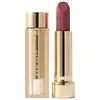 Key Ingredients
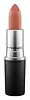
Benefits
Concerns
Ingredients Side-by-side
Dimethicone
Emollient

Ethylhexyl Palmitate
Emollient




Synthetic Wax
Abrasive
CI 77220
Cosmetic ColorantCaprylic/Capric Triglyceride
Masking


Hydrogenated Olive Oil
Skin Conditioning
Kaolin
Abrasive


Polyglyceryl-3 Diisostearate
Emulsifying
Dimethicone/Vinyl Dimethicone Crosspolymer
Skin Conditioning
Euphorbia Cerifera Wax
Olea Europaea Fruit Oil
Masking
Stearalkonium Hectorite
Gel FormingOlea Europaea Oil Unsaponifiables
Skin Conditioning
Dimethyl Isosorbide
SolventPropylene Carbonate
SolventIsopropyl Titanium Triisostearate
Emollient
Sesamum Indicum Seed Extract
Skin Conditioning
Tocopherol
Antioxidant





CI 77891
Cosmetic ColorantCI 77491
Cosmetic ColorantCI 45410
Cosmetic ColorantCI 15850
Cosmetic ColorantCI 42090
Cosmetic ColorantCI 19140
Cosmetic ColorantCI 17200
Cosmetic ColorantCI 73360
Cosmetic ColorantDimethicone, Ethylhexyl Palmitate, Synthetic Wax, CI 77220, Caprylic/Capric Triglyceride, Hydrogenated Olive Oil, Kaolin, Polyglyceryl-3 Diisostearate, Dimethicone/Vinyl Dimethicone Crosspolymer, Euphorbia Cerifera Wax, Olea Europaea Fruit Oil, Stearalkonium Hectorite, Olea Europaea Oil Unsaponifiables, Dimethyl Isosorbide, Propylene Carbonate, Isopropyl Titanium Triisostearate, Sesamum Indicum Seed Extract, Tocopherol, CI 77891, CI 77491, CI 45410, CI 15850, CI 42090, CI 19140, CI 17200, CI 73360
Octyldodecanol
Emollient
Neopentyl Glycol Diheptanoate
EmollientSynthetic Wax
Abrasive
Pentaerythrityl Tetraisostearate
Emollient
Trimethylpentanediol/Adipic Acid/Glycerin Crosspolymer
Skin ConditioningSilica
Abrasive
Cera Microcristallina
Emulsion StabilisingEuphorbia Cerifera Cera
Astringent
Butyrospermum Parkii Butter
Skin Conditioning
Cocos Nucifera Oil
Masking
Kaolin
Abrasive
Bis-Diglyceryl Polyacyladipate-2
Emollient
Copernicia Cerifera Cera
Emollient
Boron Nitride
Absorbent
Theobroma Cacao Seed Butter
Emollient
Polyglyceryl-3 Diisostearate
Emulsifying
Methicone
Emollient
Disteardimonium Hectorite
StabilisingPropylene Carbonate
SolventLecithin
Emollient
Vanillin
Masking

Pentaerythrityl Tetra-Di-T-Butyl Hydroxyhydrocinnamate
Antioxidant
Octyldodecanol, Neopentyl Glycol Diheptanoate, Synthetic Wax, Pentaerythrityl Tetraisostearate, Trimethylpentanediol/Adipic Acid/Glycerin Crosspolymer, Silica, Cera Microcristallina, Euphorbia Cerifera Cera, Butyrospermum Parkii Butter, Cocos Nucifera Oil, Kaolin, Bis-Diglyceryl Polyacyladipate-2, Copernicia Cerifera Cera, Boron Nitride, Theobroma Cacao Seed Butter, Polyglyceryl-3 Diisostearate, Methicone, Disteardimonium Hectorite, Propylene Carbonate, Lecithin, Vanillin, Pentaerythrityl Tetra-Di-T-Butyl Hydroxyhydrocinnamate
Reviews
Ingredients Explained
These ingredients are found in both products.
Ingredients higher up in an ingredient list are typically present in a larger amount.
Kaolin is a clay. It is used for oil control and to help minimize pores. Like other clays, kaolin has the ability to absorb excess sebum or oil. This can help clean out pores and mattify the skin.
Some types of kaolin may have exfoliating properties. When water is added to kaolin, it becomes a paste with small abrasive particles.
Most kaolin is a white color, but may be pink/orange/red depending on where it comes from.
The name 'kaolin' comes from a Chinese village named 'Gaoling'. Kaolin clay comes from rocks rich in kaolinite. Kaolinite, the mineral, has a silicate layered structure. Kaolinite is formed from chemical weathering of aluminum siilicate minerals.
Besides skincare, kaolin is commonly used to make glossy paper, in ceramics, toothpaste, and as medicine to soothe stomach issues.
Learn more about KaolinPolyglyceryl-3 Diisostearate is a plant-derived, oil-soluble emulsifier. It keeps water-in-oil emulsions stable to prevent the ingredients from separating.
On the safety front, it's considered non-irritating and well-tolerated (it can even be found in formulations for baby skin).
This ingredient may not be fungal acne safe because research has shown that the Malassezia species can grow in the presence of fatty acid esters with chain lengths above C12 (and this one is C18).
While it does have a comedogenic rating of 4, the comedogenic rating scale was developed from rabbit ear models which has limited clinical relevance to human skin. Studies also show that comedogenic ingredients cannot predict how the overall formula will behave on human skin.
Learn more about Polyglyceryl-3 DiisostearateThis ingredient is a solvent. It helps dissolve active ingredients and alter the texture of products.
Propylene Carbonate is commonly used in makeup and with clay, such as montmorillonite or bentonite.
Studies show this ingredient to be safe for cosmetics. When it is undiluted, it can cause skin irritation. (It is always diluted in skincare and makeup). This ingredient is water-soluble.
Propylene Carbonate is created from propylene glycol and carbonic acid.
Learn more about Propylene CarbonateSynthetic Wax is a manufactured hydrocarbon wax. In formulas, it works as an occlusive emollient that helps reduce water loss and improves the spreadability of products.
Research comparing synthetic wax to traditional mineral-derived products found that formulas containing it perform as well for skin hydration.
It is considered non-comedogenic and vegan-friendly.
This ingredient has a well-established safety record by the CIR Expert Panel for Cosmetic Ingredient Safety.
Synthetic Waxes are straight/branched-chain hydrocarbons with no ester bond or fatty acids. That means there is nothing for the Malassezia yeast to feed on.
Learn more about Synthetic Wax

