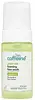
This mild foaming cleanser is made to cleanse while calming and soothing your skin.
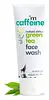
This glycolic acid gel cleanser is formulated around Glycolic Acid to exfoliate and smooth skin.

What's inside
What's inside
 Key Ingredients
Benefits
Concerns
Ingredients Side-by-side
Water
Skin ConditioningCoco-Glucoside
Cleansing
Glycerin
Humectant


Decyl Glucoside
Cleansing
Cocamidopropyl Betaine
Cleansing


Aloe Barbadensis Extract
Skin Conditioning

Sodium Cocoyl Glutamate
Cleansing
Maltooligosyl Glucoside
Skin ConditioningHydrogenated Starch Hydrolysate
HumectantSodium Methyl Cocoyl Taurate
Cleansing
Camellia Sinensis Leaf Extract
Antimicrobial




Caffeine
Skin Conditioning
3-O-Ethyl Ascorbic Acid
Skin Conditioning

Phenoxyethanol
Preservative
Ethylhexylglycerin
Skin ConditioningCitric Acid
Buffering
Sodium Gluconate
ChelatingParfum
Masking

CI 19140
Cosmetic ColorantCI 42090
Cosmetic ColorantWater, Coco-Glucoside, Glycerin, Decyl Glucoside, Cocamidopropyl Betaine, Aloe Barbadensis Extract, Sodium Cocoyl Glutamate, Maltooligosyl Glucoside, Hydrogenated Starch Hydrolysate, Sodium Methyl Cocoyl Taurate, Camellia Sinensis Leaf Extract, Caffeine, 3-O-Ethyl Ascorbic Acid, Phenoxyethanol, Ethylhexylglycerin, Citric Acid, Sodium Gluconate, Parfum, CI 19140, CI 42090
Water
Skin ConditioningSodium Lauroyl Sarcosinate
CleansingAcrylates Copolymer
Sodium Hydroxide
BufferingCocamidopropyl Betaine
Cleansing
Sodium Cocoyl Apple Amino Acids
Foam Boosting
Phenoxyethanol
Preservative
Ethylhexylglycerin
Skin ConditioningCamellia Sinensis Leaf Extract
Antimicrobial
Parfum
Masking
Xylitylglucoside
Humectant
Anhydroxylitol
Humectant
Xylitol
Humectant
Glycolic Acid
Buffering


Capryloyl Glycine
CleansingSarcosine
Skin Conditioning
Cinnamomum Zeylanicum Bark Extract
Antimicrobial
Magnesium Ascorbyl Phosphate
Antioxidant
Caffeine
Skin Conditioning
Disodium EDTA
ChelatingHyaluronic Acid
Humectant
Colour
Water, Sodium Lauroyl Sarcosinate, Acrylates Copolymer, Sodium Hydroxide, Cocamidopropyl Betaine, Sodium Cocoyl Apple Amino Acids, Phenoxyethanol, Ethylhexylglycerin, Camellia Sinensis Leaf Extract, Parfum, Xylitylglucoside, Anhydroxylitol, Xylitol, Glycolic Acid, Capryloyl Glycine, Sarcosine, Cinnamomum Zeylanicum Bark Extract, Magnesium Ascorbyl Phosphate, Caffeine, Disodium EDTA, Hyaluronic Acid, Colour
Ingredients Explained
These ingredients are found in both products.
Ingredients higher up in an ingredient list are typically present in a larger amount.
Caffeine is a naturally occurring plant compound found in coffee beans, tea leaves, cocoa pods, and guarana.
As an antioxidant, caffeine protects your skin from free radical damage caused by UV exposure and envionrmnetal stressors.
Early research also shows that caffeine can help calm redness, soothe irritated skin, and support hair growth by stimulating microcirculation in the scalp.
You might have seen eye creams marketing caffeine as a depuffing ingredient. This is because it is a vasoconstrictor meaning it can temporarily constrict blood vessels, though clinical evidence for this specific use is still limited.
Most skincare products contain this ingredient at concentrations between 1-6%. It is able to penetrate skin easily regardless of skin type or thickness.
Just so you know, a very small number of case reports describe caffeine-induced allergy. This ingredient is generally well-tolerated, non-irritating, and non-sensitizing for the majority of people.
Learn more about CaffeineCamellia Sinensis Leaf Extract (tea extract) is one of the most well-researched plant extracts in skincare with an impressive resume.
Black tea, green tea, and oolong tea are all harvested from the Camellia Sinensis plant.
Studies show green tea extract and its catechins (like epigallocatechin gallate (EGCG)) help your skin cells product energy more efficiently and reducing the number of free-radicals that can damage your skin from the inside.
In lab-grown skin models, this translated to younger, healthier, and stronger skin.
There's also good sun protection data; researchers saw less DNA damage and redness on human skin when green tea was applied before UVB exposure. And the more they applied, the better the protection.
Needless to say, this ingredient shouldn't replace your sunscreen. But it is a great supportive ingredient that you can already find in many sunscreens and antioxidant serums.
A 2009 study found a 2% green tea lotion was effective for mild-to-moderate acne thanks to its anti-inflammatory and mild antimicrobial activity.
The quality of the extract matters a lot here:
Good extracts contain 50-90% catechins while lower quality ones are mostly there for marketing. We recommend reaching out to the brand if you have questions about the quality or source of their ingredients.
Human Repeated Insult Patch Testing showed no irritation or sensitization at use concentrations (0.86% in leave-on products and up to 30% as leaf water).
Learn more about Camellia Sinensis Leaf ExtractCocamidopropyl Betaine is a fatty acid created by mixing similar compounds in coconut oil and dimethylaminopropylamine, a compound with two amino groups.
This ingredient is a surfactant and cleanser. It helps gather the dirt, pollutants, and other impurities in your skin to be washed away. It also helps thicken a product and make the texture more creamy.
Being created from coconut oil means Cocamidopropyl Betaine is hydrating for the skin.
While Cocamidopropyl Betaine was believed to be an allergen, a study from 2012 disproved this. It found two compounds in unpure Cocamidopropyl Betaine to be the irritants: aminoamide and 3-dimethylaminopropylamine. High-grade and pure Cocamidopropyl Betaine did not induce allergic reactions during this study.
Learn more about Cocamidopropyl BetaineEthylhexylglycerin is created from glycerin. It is a multitasker ingredient that:
The CIR Expert Panel found minimal skin absorption or sensitization of any kind in a safety assessment. Though this ingredient is considered well-tolerated, a small number of cases of allergic dermatitis have been published since 2002. Just be sure to patch test if you are unsure.
Industry-reported use ranges from 8% in rinse-off products and 2% in leave-on formulations.
Learn more about EthylhexylglycerinParfum is a catch-all term for an ingredient or more that is used to give a scent to products.
Also called "fragrance", this ingredient can be a blend of hundreds of chemicals or plant oils. This means every product with "fragrance" or "parfum" in the ingredients list is a different mixture.
For instance, Habanolide is a proprietary trade name for a specific aroma chemical. When used as a fragrance ingredient in cosmetics, most aroma chemicals fall under the broad labeling category of “FRAGRANCE” or “PARFUM” according to EU and US regulations.
The term 'parfum' or 'fragrance' is not regulated in many countries. In many cases, it is up to the brand to define this term.
For instance, many brands choose to label themselves as "fragrance-free" because they are not using synthetic fragrances. However, their products may still contain ingredients such as essential oils that are considered a fragrance by INCI standards.
One example is Calendula flower extract. Calendula is an essential oil that still imparts a scent or 'fragrance'.
Depending on the blend, the ingredients in the mixture can cause allergies and sensitivities on the skin. Some ingredients that are known EU allergens include linalool and citronellol.
Parfum can also be used to mask or cover an unpleasant scent.
The bottom line is: not all fragrances/parfum/ingredients are created equally. If you are worried about fragrances, we recommend taking a closer look at an ingredient. And of course, we always recommend speaking with a professional.
Learn more about ParfumPhenoxyethanol is one of the most widely used preservatives in skincare (and for good reason!).
It has a large spectrum of antimicrobial activity and especially effective bacteria, yeast, and mold while only having a weak effect on your skin's natural microbiome.
On a cellular level, it disrupts the cell membranes of microbes by poking holes that make the cell leak. This shuts down the chemical reactions the microbe needs to make energy so it can no longer survive.
Another perk of this ingredient is that it stays functional across a wide pH range (3-10).
You'll often see it paired with boosters like Ethylhexylglycerin; one study showed that a 1:9 ratio of Ethylhexylglycerin to Phenoxyethanol damages bacterial membranes as effectively as doubling the Phenoxyethanol concentration on its own.
Typical use concentrations range from 0.3-1% depending on the formula, and this ingredient is capped at 1% int the EU.
Safety-wise, the fear mongering does not hold up to the evidence. The EU's Scientific Committee on Consumer Safety and FDA consider it safe as a preservative at up to 1%, including for children of all ages.
Adverse systemic effects only showed up in animal studies at exposures roughly 200x higher than what people get from cosmetics. And despite its very widespread use, this ingredient is a rare sensitizer and allergic reactions are uncommon.
Learn more about PhenoxyethanolWater. It's the most common cosmetic ingredient of all. You'll usually see it at the top of ingredient lists, meaning that it makes up the largest part of the product.
So why is it so popular? Water most often acts as a solvent - this means that it helps dissolve other ingredients into the formulation.
You'll also recognize water as that liquid we all need to stay alive. If you see this, drink a glass of water. Remember to stay hydrated!
Learn more about Water

