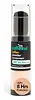
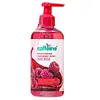
mCaffeine Coffee Powder Sunscreen SPF 30 PA+++ Versus mCaffeine Brightening Raspberry Rush Body Wash
This mineral sunscreen covers the full UV range and blocks ~97% of UVB at SPF 30.

What's inside
What's inside
 Key Ingredients
Benefits
Concerns
Ingredients Side-by-side







Water
Skin ConditioningCocamidopropyl Betaine
Cleansing



Glycerin
Humectant


Rubus Idaeus Extract
Skin ProtectingPropylene Glycol
Humectant
Sodium Lauroyl Sarcosinate
CleansingSodium Cocoyl Isethionate
Cleansing
Cocamide Mea
Emulsifying
Niacinamide
Smoothing









Caffeine
Skin Conditioning
Coffea Arabica Seed Extract
Masking
Disodium Cocoyl Glutamate
Cleansing
Methoxycinnamidopropyl Hydroxysultaine
UV AbsorberMethoxycinnamidopropyl Behendimonium Chloride
Sodium Lauroyl Lactylate
EmulsifyingEthylhexylglycerin
Skin ConditioningSodium Gluconate
Skin ConditioningCitric Acid
Buffering
Phenoxyethanol
Preservative
Parfum
Masking

CI 17200
Cosmetic ColorantCI 15985
Cosmetic ColorantWater, Cocamidopropyl Betaine, Glycerin, Rubus Idaeus Extract, Propylene Glycol, Sodium Lauroyl Sarcosinate, Sodium Cocoyl Isethionate, Cocamide Mea, Niacinamide, Caffeine, Coffea Arabica Seed Extract, Disodium Cocoyl Glutamate, Methoxycinnamidopropyl Hydroxysultaine, Methoxycinnamidopropyl Behendimonium Chloride, Sodium Lauroyl Lactylate, Ethylhexylglycerin, Sodium Gluconate, Citric Acid, Phenoxyethanol, Parfum, CI 17200, CI 15985
Ingredients Explained
These ingredients are found in both products.
Ingredients higher up in an ingredient list are typically present in a larger amount.
Caffeine is a naturally occurring plant compound found in coffee beans, tea leaves, cocoa pods, and guarana.
As an antioxidant, caffeine protects your skin from free radical damage caused by UV exposure and envionrmnetal stressors.
Early research also shows that caffeine can help calm redness, soothe irritated skin, and support hair growth by stimulating microcirculation in the scalp.
You might have seen eye creams marketing caffeine as a depuffing ingredient. This is because it is a vasoconstrictor meaning it can temporarily constrict blood vessels, though clinical evidence for this specific use is still limited.
Most skincare products contain this ingredient at concentrations between 1-6%. It is able to penetrate skin easily regardless of skin type or thickness.
Just so you know, a very small number of case reports describe caffeine-induced allergy. This ingredient is generally well-tolerated, non-irritating, and non-sensitizing for the majority of people.
Learn more about CaffeineParfum is a catch-all term for an ingredient or more that is used to give a scent to products.
Also called "fragrance", this ingredient can be a blend of hundreds of chemicals or plant oils. This means every product with "fragrance" or "parfum" in the ingredients list is a different mixture.
For instance, Habanolide is a proprietary trade name for a specific aroma chemical. When used as a fragrance ingredient in cosmetics, most aroma chemicals fall under the broad labeling category of “FRAGRANCE” or “PARFUM” according to EU and US regulations.
The term 'parfum' or 'fragrance' is not regulated in many countries. In many cases, it is up to the brand to define this term.
For instance, many brands choose to label themselves as "fragrance-free" because they are not using synthetic fragrances. However, their products may still contain ingredients such as essential oils that are considered a fragrance by INCI standards.
One example is Calendula flower extract. Calendula is an essential oil that still imparts a scent or 'fragrance'.
Depending on the blend, the ingredients in the mixture can cause allergies and sensitivities on the skin. Some ingredients that are known EU allergens include linalool and citronellol.
Parfum can also be used to mask or cover an unpleasant scent.
The bottom line is: not all fragrances/parfum/ingredients are created equally. If you are worried about fragrances, we recommend taking a closer look at an ingredient. And of course, we always recommend speaking with a professional.
Learn more about Parfum

