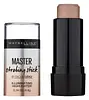
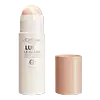
Maybelline Facestudio Master Strobing Stick Illuminating Highlighter Versus L'Oreal Lumi Le Glass Highlighter Stick


What's inside
What's inside
 Key Ingredients
Benefits
Concerns
Ingredients Side-by-side
Ethylhexyl Palmitate
Emollient




Methyl Methacrylate Crosspolymer

Hydrogenated Polyisobutene
EmollientPolyethylene
Abrasive
Phenyl Trimethicone
Skin Conditioning
Diisostearyl Malate
EmollientNylon-12

Synthetic Fluorphlogopite
Ozokerite
Emulsion StabilisingPolyvinyl Laurate
Disteardimonium Hectorite
StabilisingButyrospermum Parkii Butter
Skin Conditioning

Caprylyl Glycol
Emollient
Propylene Carbonate
SolventSilica
Abrasive
Alumina
Abrasive
Tin Oxide
Abrasive
Vinyl Dimethicone/Methicone Silsesquioxane Crosspolymer
Calcium Sodium Borosilicate
Calcium Aluminum Borosilicate
Magnesium Silicate
AbsorbentMica
Cosmetic ColorantCI 77891
Cosmetic ColorantCI 77491
Cosmetic ColorantCI 77492
Cosmetic ColorantCI 77499
Cosmetic ColorantCI 75470
Cosmetic ColorantCI 77007
Cosmetic ColorantCI 15850
Cosmetic ColorantCI 19140
Cosmetic ColorantCI 45410
Cosmetic ColorantCI 77163
Cosmetic Colorant
CI 77288
Cosmetic ColorantCI 77742
Cosmetic ColorantCI 77400
Cosmetic ColorantCI 77000
Cosmetic ColorantCI 15985
Cosmetic ColorantCI 16035
Cosmetic ColorantCI 42090
Cosmetic ColorantCI 77510
Cosmetic ColorantEthylhexyl Palmitate, Methyl Methacrylate Crosspolymer, Hydrogenated Polyisobutene, Polyethylene, Phenyl Trimethicone, Diisostearyl Malate, Nylon-12, Synthetic Fluorphlogopite, Ozokerite, Polyvinyl Laurate, Disteardimonium Hectorite, Butyrospermum Parkii Butter, Caprylyl Glycol, Propylene Carbonate, Silica, Alumina, Tin Oxide, Vinyl Dimethicone/Methicone Silsesquioxane Crosspolymer, Calcium Sodium Borosilicate, Calcium Aluminum Borosilicate, Magnesium Silicate, Mica, CI 77891, CI 77491, CI 77492, CI 77499, CI 75470, CI 77007, CI 15850, CI 19140, CI 45410, CI 77163, CI 77288, CI 77742, CI 77400, CI 77000, CI 15985, CI 16035, CI 42090, CI 77510
Diisostearyl Malate
EmollientOctyldodecanol
Emollient
Polybutene
Synthetic Wax
Abrasive
Dimer Dilinoleyl Dimer Dilinoleate
EmollientCopernicia Cerifera Cera
Emollient
Polyethylene
Abrasive
Pentaerythrityl Tetra-Di-T-Butyl Hydroxyhydrocinnamate
Antioxidant
Dicalcium Phosphate
Abrasive
Tin Oxide
Abrasive
Maltodextrin
Absorbent
Calcium Aluminum Borosilicate
Calcium Titanium Borosilicate
Abrasive
Alumina
Abrasive
Calcium Sodium Borosilicate
Synthetic Fluorphlogopite
Silica
Abrasive
Mica
Cosmetic ColorantCI 77891
Cosmetic ColorantCI 77491
Cosmetic ColorantCI 77499
Cosmetic ColorantCI 75470
Cosmetic ColorantCI 42090
Cosmetic ColorantCI 77510
Cosmetic ColorantDiisostearyl Malate, Octyldodecanol, Polybutene, Synthetic Wax, Dimer Dilinoleyl Dimer Dilinoleate, Copernicia Cerifera Cera, Polyethylene, Pentaerythrityl Tetra-Di-T-Butyl Hydroxyhydrocinnamate, Dicalcium Phosphate, Tin Oxide, Maltodextrin, Calcium Aluminum Borosilicate, Calcium Titanium Borosilicate, Alumina, Calcium Sodium Borosilicate, Synthetic Fluorphlogopite, Silica, Mica, CI 77891, CI 77491, CI 77499, CI 75470, CI 42090, CI 77510
Ingredients Explained
These ingredients are found in both products.
Ingredients higher up in an ingredient list are typically present in a larger amount.
Alumina (aka aluminum oxide) is an inorganic mineral powder refined from bauxite that works as a quiet workhorse in a formula.
It shows up often as an abrasive, absorbent, anticaking, bulking, and viscosity-controlling agent.
One of its most common jobs is acting as a pigment carrier and dispersant.
Alumina platelets are often blended with inorganic sunscreens like Titanium Dioxide (or with colorants) and then coated with a silicone such as Triethoxycaprylylsilane so the pigment spreads evenly and smoothly.
In makeup, it can also double as a light-diffusing powder or oil absorber to keep formulas from looking greasy.
The Cosmetic Ingredient Review Expert Panel has concluded alumina to be safe in present practices of use and concentration.
They note it's a stable, oxidized compound and scientific research has failed to establish links to health issues.
Concentrations vary depending on the product:
Learn more about AluminaCalcium Aluminum Borosilicate is made up of calcium, aluminum, and silicates. It is a glass-like material. In cosmetics, it comes in the form of flakes or microspheres.
Calcium aluminum borosilicate is a bulking agent, meaning it helps thicken a product.
This ingredient is created by slowly mixing several minerals, including kaolin clay.
Although “aluminum” in an ingredient name can raise red flags for some consumers, the form and usage context matter significantly. For typical topical applications, there is no substantial evidence of health risks - such as cancer, neurotoxicity, or systemic “aluminum overload.”
Learn more about Calcium Aluminum BorosilicateCalcium Sodium Borosilicate is a bulking agent. It is considered a borosilicate glass; it is composed of powder or flakes of calcium and sodium borosilicates.
This ingredient is used to add volume, shine, and color to products. You'll most likely find this ingredient in makeup products.
According to in-vivo and ex-vivo studies done by a manufacturer, this ingredient works well with UV filters:
Learn more about Calcium Sodium BorosilicateCi 42090 is a synthetic dye created from petroleum. It is used to give a bright blue color to cosmetics, medicine, and food.
Ci 75470 is a bright-red pigment. It is AKA carmine.
Carmine is derived from insects such as the cochineal beetle. This ingredient has been used as a natural dye for over 2000 years.
Ci 77491 is also hydrated iron III oxide. It's sole purpose is to give a red/pink hue to products.
Iron III oxides are classified as inorganic chemicals for coloring.
Synthetically created Ci 77491 is considered safer than those naturally found. This is because the synthetically created version may contain less impurities. Iron oxides are generally non-toxic and non-allergenic.
Learn more about CI 77491Ci 77499 is also hydrated iron III oxide. It is created from mixing red and black iron oxides. This helps give shades of darkness to a product.
Iron III oxides are classified as inorganic chemicals for coloring.
This ingredient is used to impart a blue color. It is not water-soluble.
It goes by two different names:
1. Ferric Ferrocyanide: a synthetic dark blue pigment
2. Ferric Ammonium Ferrocyanide: a synthetic blue pigment, also called Prussian blue
In the EU, both of these colors must be labeled as 'CI 77510'.
Learn more about CI 77510Ci 77891 is a white pigment from Titanium dioxide. It is naturally found in minerals such as rutile and ilmenite.
It's main function is to add a white color to cosmetics. It can also be mixed with other colors to create different shades.
Ci 77891 is commonly found in sunscreens due to its ability to block UV rays.
Learn more about CI 77891Diisostearyl Malate is an emollient and most often used in lip products. It comes from isostearyl alcohol, a fatty acid, and malic acid, an AHA.
As an emollient, Diisostearyl Malate helps create a thin film on your skin to trap moisture in. This helps keep your skin soft and smooth.
Mica is a naturally occurring mineral used to add shimmer and color in cosmetics. It can also help improve the texture of a product or give it an opaque, white/silver color.
Serecite is the name for very fine but ragged grains of mica.
This ingredient is often coated with metal oxides like titanium dioxide. Trace amounts of heavy metals may be found in mica, but these metals are not harmful in our personal products.
Mica has been used since prehistoric times throughout the world. Ancient Egyptian, Indian, Greek, Roman, Aztec, and Chinese civilizations have used mica.
Learn more about MicaPolyethylene is a synthetic ingredient that helps the skin retain moisture. It is a polymer.
It is also typically used within product formulations to help bind solid ingredients together and thicken oil-based ingredients. When added to balms and emulsions, it helps increase the melting point temperature.
Silica, also known as silicon dioxide, is a naturally occurring mineral. It is used as a fine, spherical, and porous powder in cosmetics.
Though it has exfoliant properties, the function of silica varies depending on the product.
The unique structure of silica enhances the spreadability and adds smoothness, making it a great texture enhancer.
It is also used as an active carrier, emulsifier, and mattifier due to its ability to absorb excess oil.
In some products, tiny microneedles called spicules are made from silica or hydrolyzed sponge. When you rub them in, they lightly polish away dead skin layers and enhance the penetration of active ingredients.
Learn more about SilicaSynthetic Fluorphlogopite is the synthethic version of mica. It consists of fluorine, aluminum and silicate.
Synthetic Fluorphlogopite is used to add volume to products.
It is considered non-irritating on the skin.
Learn more about Synthetic FluorphlogopiteTin Oxide is an inorganic oxide used to add opacity and volume to a product. In nature, it is already found in mineral form. The main ore of tin is an opaque and shiny mineral called casseterite.
Tin Oxide helps remove translucency in a product, or make it more opaque. Besides adding opacity, tin oxide is used for bulking to add volume.


