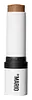
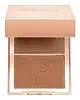
Makeup by Mario SoftSculpt Shaping Stick Versus Patrick Ta Major Sculpt Creme Contour & Powder Bronzer Duo

What's inside
What's inside
 Key Ingredients
Benefits
Concerns
Ingredients Side-by-side
C12-15 Alkyl Benzoate
AntimicrobialCaprylic/Capric Triglyceride
Masking


Dimethicone/Vinyl Dimethicone Crosspolymer
Skin Conditioning
Ozokerite
Emulsion StabilisingPolyethylene
Abrasive

Polymethyl Methacrylate

Dicalcium Phosphate
Abrasive
Polyglyceryl-2 Diisostearate
Emulsifying

Polymethylsilsesquioxane
Dipentaerythrityl Hexahydroxystearate
EmulsifyingOctyldodecanol
Emollient
Triethoxycaprylylsilane
Laureth-4
Emulsifying
Disteardimonium Hectorite
StabilisingAlcohol
Antimicrobial


Pentaerythrityl Tetra-Di-T-Butyl Hydroxyhydrocinnamate
Antioxidant
Water
Skin ConditioningC12-15 Alkyl Benzoate, Caprylic/Capric Triglyceride, Dimethicone/Vinyl Dimethicone Crosspolymer, Ozokerite, Polyethylene, Polymethyl Methacrylate, Dicalcium Phosphate, Polyglyceryl-2 Diisostearate, Polymethylsilsesquioxane, Dipentaerythrityl Hexahydroxystearate, Octyldodecanol, Triethoxycaprylylsilane, Laureth-4, Disteardimonium Hectorite, Alcohol, Pentaerythrityl Tetra-Di-T-Butyl Hydroxyhydrocinnamate, Water
Aluminum Starch Octenylsuccinate
Absorbent
Magnesium Myristate
Octyldodecyl Stearoyl Stearate
Emollient
Pentaerythrityl Tetraisostearate
Emollient
Silica
Abrasive
Caprylic/Capric Triglyceride
Masking
Bis-Diglyceryl Polyacyladipate-2
Emollient
Simmondsia Chinensis Seed Oil
Emollient

Tocopheryl Acetate
Antioxidant

Synthetic Fluorphlogopite
Calcium Aluminum Borosilicate
Calcium Sodium Borosilicate
Sodium Dehydroacetate
Preservative
Phenoxyethanol
Preservative
Tropolone
Skin ConditioningTin Oxide
Abrasive
CI 77891
Cosmetic ColorantCI 77491
Cosmetic ColorantCI 77492
Cosmetic ColorantCI 77499
Cosmetic ColorantCI 77742
Cosmetic ColorantCI 77007
Cosmetic ColorantCI 77510
Cosmetic ColorantCI 42090
Cosmetic ColorantCI 19140
Cosmetic ColorantCI 15850
Cosmetic ColorantOctyldodecanol
Emollient
Ethylhexyl Palmitate
Emollient
Talc
Abrasive
Polymethyl Methacrylate
Behenyl Beeswax
Skin ConditioningCopernicia Cerifera Cera
Emollient
Ozokerite
Emulsion StabilisingPolyethylene
Abrasive
Stearyl Beeswax
EmollientHelianthus Annuus Seed Cera
Emollient
Ascorbyl Palmitate
Antioxidant
Tocopherol
Antioxidant


Hydrogen Dimethicone
Aluminum Hydroxide
EmollientMica
Cosmetic ColorantParfum
Masking

Limonene
Perfuming
Aluminum Starch Octenylsuccinate, Magnesium Myristate, Octyldodecyl Stearoyl Stearate, Pentaerythrityl Tetraisostearate, Silica, Caprylic/Capric Triglyceride, Bis-Diglyceryl Polyacyladipate-2, Simmondsia Chinensis Seed Oil, Tocopheryl Acetate, Synthetic Fluorphlogopite, Calcium Aluminum Borosilicate, Calcium Sodium Borosilicate, Sodium Dehydroacetate, Phenoxyethanol, Tropolone, Tin Oxide, CI 77891, CI 77491, CI 77492, CI 77499, CI 77742, CI 77007, CI 77510, CI 42090, CI 19140, CI 15850, Octyldodecanol, Ethylhexyl Palmitate, Talc, Polymethyl Methacrylate, Behenyl Beeswax, Copernicia Cerifera Cera, Ozokerite, Polyethylene, Stearyl Beeswax, Helianthus Annuus Seed Cera, Ascorbyl Palmitate, Tocopherol, Hydrogen Dimethicone, Aluminum Hydroxide, Mica, Parfum, Limonene
Reviews
Ingredients Explained
These ingredients are found in both products.
Ingredients higher up in an ingredient list are typically present in a larger amount.
Caprylic/Capric Triglyceride (aka MCT Oil) is a lightweight emollient, solvent, and texture enhancer. It is considered a skin-softener by helping to prevent moisture loss.
Though it behaves like an oil, it is not technically one due to its chemical composition. One perk of this ingredient is that it is very stable, resistant to oxidation, and unlikely to go rancid.
In practice, that translates to a long shelf life and a consistently elegant skin feel.
While there is an assumption Caprylic Triglyceride can clog pores due to it being derived from coconut oil, there is no research supporting this. Just patch test if you have concerns.
Fractionated coconut oil and MCT Oil are both listed as Caprylic/Capric Triglyceride according to INCI. This is because INCI names are based on the ingredient’s final chemical composition and not its marketing name or source.
This ingredient is treated as the gold standard fungal acne safe oil. Even though it is coconut derived, the problematic lauric acid is stripped out.
This leaves just caprylic (C8) and capric (C10) acid. These chain lengths actually trend antifungal; a 2020 study found caprylic acid was enough to disrupt Malassezia furfur cell membrane, with a caprylic acid derivative damaging membrane structures at concentrations as low as 0.2%.
Learn more about Caprylic/Capric TriglycerideOctyldodecanol is a fatty alcohol sourced from plant oils like coconut or palm (or made synthetically).
It is:
You'll likely see this in many BHA products because this is the go-to solvent for salicylic acid.
This ingredient is typically used at levels between 2-20%.
Regarding fungal acne:
In 2019, this ingredient was tested against multiple Malassezia species (the yeast that causes fungal acne) and showed no growth.
Ozokerite is a naturally occuring mineral wax. In cosmetics, ozokerite is used as a texture enhancer.
Ceresin wax is derived from this ingredient.
The melting point of ozokerite is 58-100 C.
Ozokerite is found all over the world including Scotland, the US, and India.
Learn more about OzokeritePolyethylene is a synthetic ingredient that helps the skin retain moisture. It is a polymer.
It is also typically used within product formulations to help bind solid ingredients together and thicken oil-based ingredients. When added to balms and emulsions, it helps increase the melting point temperature.
This ingredient is also known as PMMA. It is a polymer microsphere, composed of tiny, perfectly spherical particles formed from repeating units.
In cosmetics, PMMA is mainly used to give a soft or blurring effect. The transparent particles are able to scatter light and help reduce the appearance of fine-lines and imperfections.
PMMA is also able to enhance the texture of products by add a smooth feel.
Learn more about Polymethyl Methacrylate

