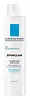
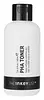
La Roche-Posay Effaclar Clarifying Solution Acne Toner Versus The INKEY List Polyhydroxy Acid (PHA) Toner
This acne toner is formulated around Salicylic Acid and Glycolic Acid to clear breakouts and refine skin texture.
This smoothing toner is formulated around Gluconolactone and Niacinamide to refine skin texture and brighten dull-looking skin.


What's inside
What's inside
 Key Ingredients
Benefits
Concerns
Ingredients Side-by-side
Salicylic Acid
Masking










Water
Skin ConditioningAlcohol Denat.
Antimicrobial
Propanediol
Solvent

Glycolic Acid
Buffering




Sodium Hydroxide
BufferingCapryloyl Glycine
CleansingPhenoxyethanol
Preservative
Benzyl Alcohol
Perfuming


PPG-26-Buteth-26
Skin ConditioningPEG-40 Hydrogenated Castor Oil
Emulsifying

Menthol
Masking
Tremella Fuciformis Polysaccharide
Emulsion Stabilising
Butylene Glycol
Humectant
Ophiopogon Japonicus Root Extract
Skin ConditioningScutellaria Baicalensis Root Extract
Astringent
Salicylic Acid, Water, Alcohol Denat., Propanediol, Glycolic Acid, Sodium Hydroxide, Capryloyl Glycine, Phenoxyethanol, Benzyl Alcohol, PPG-26-Buteth-26, PEG-40 Hydrogenated Castor Oil, Menthol, Tremella Fuciformis Polysaccharide, Butylene Glycol, Ophiopogon Japonicus Root Extract, Scutellaria Baicalensis Root Extract
Water
Skin ConditioningPropanediol
Solvent
Gluconolactone 3%
Chelating
Niacinamide 3%
Smoothing

Pentylene Glycol
Skin Conditioning
Glycerin
Humectant
Aloe Barbadensis Leaf Juice
Skin Conditioning
Potassium Sorbate
Preservative
Sodium Benzoate
Masking
PPG-26-Buteth-26
Skin ConditioningPEG-40 Hydrogenated Castor Oil
Emulsifying
1,2-Hexanediol
Skin Conditioning
Caprylyl Glycol
Emollient
Ethylhexylglycerin
Skin ConditioningCitric Acid
Buffering
Sodium Hydroxide
Buffering
Reviews
Ingredients Explained
These ingredients are found in both products.
Ingredients higher up in an ingredient list are typically present in a larger amount.
PEG-40 Hydrogenated Castor Oil is an emulsifier derived from castor oil.
As an emulsifying agent, it helps other ingredients like fragrances and fat-soluble vitamins dissolve cohesively.
Due to its large molecule size, it doesn't penetrate beyond the skin's surface.
This ingredient has a solid regulatory track record; the CIR Expert Panel first concluded it was safe for use in cosmetics at concentrations up to 100% in 1997. A 2012 reassessment reaffirmed that finding. Safety studies have also found no irritation or evidence of toxicity.
A 2019 study did find this ingredient to grow Malassezia, so this ingredient may not be fungal acne safe.
Learn more about PEG-40 Hydrogenated Castor OilWe don't have a description for PPG-26-Buteth-26 yet.
Propanediol is an all-star ingredient. It softens, hydrates, and smooths the skin.
It’s often used to:
Propanediol is not likely to cause sensitivity and considered safe to use. It is derived from corn or petroleum with a clear color and no scent.
Learn more about PropanediolSodium Hydroxide is also known as lye or caustic soda. It is used to adjust the pH of products; many ingredients require a specific pH to be effective.
In small amounts, sodium hydroxide is considered safe to use. However, large amounts may cause chemical burns due to its high alkaline.
Your skin has a natural pH and acid mantle. This acid mantle helps prevent harmful bacteria from breaking through. The acid mantle also helps keep your skin hydrated.
"Alkaline" refers to a high pH level. A low pH level would be considered acidic.
Learn more about Sodium HydroxideWater. It's the most common cosmetic ingredient of all. You'll usually see it at the top of ingredient lists, meaning that it makes up the largest part of the product.
So why is it so popular? Water most often acts as a solvent - this means that it helps dissolve other ingredients into the formulation.
You'll also recognize water as that liquid we all need to stay alive. If you see this, drink a glass of water. Remember to stay hydrated!
Learn more about Water

