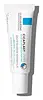
This barrier-repair lip moisturizer is formulated around Butyrospermum Parkii Butter and Panthenol to strengthen the lip barrier and hydrate lips.
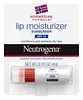
This lip moisturizer is formulated around Ricinus Communis Seed Oil and Bisabolol to hydrate lips.


What's inside
What's inside
 Key Ingredients
Benefits
Concerns
Ingredients Side-by-side
Caprylic/Capric Triglyceride
Masking


PPG-5 Pentaerythrityl Ether
EmollientPEG-5 Pentaerythrityl Ether
EmollientButyrospermum Parkii Butter
Skin Conditioning




Beeswax
Emulsion Stabilising
Panthenol
Skin Conditioning


Hydrogenated Vegetable Oil
Emollient
Ethylhexyl Palmitate
Emollient
Silica Silylate
Emollient
Polybutene
Glycine Soja Sterols
Emollient
Water
Skin ConditioningSodium Saccharin
MaskingMyristyl Malate Phosphonic Acid
Skin ConditioningPentaerythrityl Tetra-Di-T-Butyl Hydroxyhydrocinnamate
Antioxidant
Caprylic/Capric Triglyceride, PPG-5 Pentaerythrityl Ether, PEG-5 Pentaerythrityl Ether, Butyrospermum Parkii Butter, Beeswax, Panthenol, Hydrogenated Vegetable Oil, Ethylhexyl Palmitate, Silica Silylate, Polybutene, Glycine Soja Sterols, Water, Sodium Saccharin, Myristyl Malate Phosphonic Acid, Pentaerythrityl Tetra-Di-T-Butyl Hydroxyhydrocinnamate
Ricinus Communis Seed Oil
Masking
Paraffin
Skin Conditioning
Cera Alba
Emollient
Cetyl Palmitate
Emollient
Ethylhexyl Methoxycinnamate
UV Absorber

Cetearyl Alcohol
Emollient
Isopropyl Myristate
Emollient
Cetyl Alcohol
Emollient
Candelilla Cera
Emollient
Cera Microcristallina
Emulsion StabilisingBisabolol
Antioxidant
Isopropyl Palmitate
Emollient
Isopropyl Laurate
EmollientStearic Acid
Cleansing
Palmitic Acid
Emollient
Propylene Glycol
Humectant
Sodium Cetearyl Sulfate
Cleansing
Sodium Sulfate
Citric Acid
Buffering

BHA
Antioxidant
BHT
Antioxidant
Parfum
Masking
Ricinus Communis Seed Oil, Paraffin, Cera Alba, Cetyl Palmitate, Ethylhexyl Methoxycinnamate, Cetearyl Alcohol, Isopropyl Myristate, Cetyl Alcohol, Candelilla Cera, Cera Microcristallina, Bisabolol, Isopropyl Palmitate, Isopropyl Laurate, Stearic Acid, Palmitic Acid, Propylene Glycol, Sodium Cetearyl Sulfate, Sodium Sulfate, Citric Acid, BHA, BHT, Parfum


