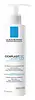
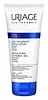
La Roche-Posay Cicaplast Lavant B5 Purifying Soothing Foaming Gel Versus Uriage DS Regulating Foaming Gel

What's inside
What's inside
 Key Ingredients
No key ingredients
Benefits
Concerns
Ingredients Side-by-side
Water
Skin ConditioningSodium Laureth Sulfate
Cleansing



Panthenol
Skin Conditioning




PEG-200 Hydrogenated Glyceryl Palmate
Cleansing

Glycerin
Humectant
Coco-Betaine
Cleansing
Sodium Chloride
MaskingPolysorbate 20
Emulsifying
PEG-7 Glyceryl Cocoate
Emulsifying
Citric Acid
Buffering

Cocamide Mea
Emulsifying
Copper Gluconate
Skin Conditioning
Manganese Gluconate
Skin ConditioningPEG-55 Propylene Glycol Oleate
Surfactant
PEG-60 Hydrogenated Castor Oil
Emulsifying
Polyquaternium-11
PPG-5-Ceteth-20
EmulsifyingPropylene Glycol
Humectant
Prunus Amygdalus Dulcis Oil
Skin Conditioning
Sodium Benzoate
Masking
Sodium Hydroxide
BufferingZinc Gluconate
Skin Conditioning



Water, Sodium Laureth Sulfate, Panthenol, PEG-200 Hydrogenated Glyceryl Palmate, Glycerin, Coco-Betaine, Sodium Chloride, Polysorbate 20, PEG-7 Glyceryl Cocoate, Citric Acid, Cocamide Mea, Copper Gluconate, Manganese Gluconate, PEG-55 Propylene Glycol Oleate, PEG-60 Hydrogenated Castor Oil, Polyquaternium-11, PPG-5-Ceteth-20, Propylene Glycol, Prunus Amygdalus Dulcis Oil, Sodium Benzoate, Sodium Hydroxide, Zinc Gluconate
Water
Skin ConditioningSodium Laureth Sulfate
Cleansing
Sodium Cocoamphoacetate
CleansingButylene Glycol
Humectant
Decyl Glucoside
Cleansing
Sodium Chloride
MaskingSodium Laureth-8 Sulfate
Cleansing
Zinc Coceth Sulfate
Cleansing
Sodium Lauroyl Glutamate
SurfactantSodium Methyl Cocoyl Taurate
Cleansing
Sodium Myristoyl Sarcosinate
CleansingCoco-Glucoside
Cleansing
Glyceryl Oleate
Emollient

Lactic Acid
Buffering


PEG-120 Methyl Glucose Dioleate
Emulsifying
Piroctone Olamine
Preservative
Magnesium Laureth Sulfate
Cleansing
Sodium Oleth Sulfate
Cleansing
Magnesium Laureth-8 Sulfate
Cleansing
Benzoic Acid
Masking
Copper Gluconate
Skin Conditioning
Manganese Gluconate
Skin ConditioningMagnesium Oleth Sulfate
Cleansing
Phytosphingosine Acetamide
AntimicrobialWater, Sodium Laureth Sulfate, Sodium Cocoamphoacetate, Butylene Glycol, Decyl Glucoside, Sodium Chloride, Sodium Laureth-8 Sulfate, Zinc Coceth Sulfate, Sodium Lauroyl Glutamate, Sodium Methyl Cocoyl Taurate, Sodium Myristoyl Sarcosinate, Coco-Glucoside, Glyceryl Oleate, Lactic Acid, PEG-120 Methyl Glucose Dioleate, Piroctone Olamine, Magnesium Laureth Sulfate, Sodium Oleth Sulfate, Magnesium Laureth-8 Sulfate, Benzoic Acid, Copper Gluconate, Manganese Gluconate, Magnesium Oleth Sulfate, Phytosphingosine Acetamide
Reviews
Ingredients Explained
These ingredients are found in both products.
Ingredients higher up in an ingredient list are typically present in a larger amount.
This ingredient is a copper salt known for its wound healing properties.
Our bodies use copper to help stabilize our skin's collagen and elastin. Its also an essential for superoxide dismutase, an enzyme with strong antioxidant properties.
Copper has wound healing properties due to its role in creating new blood vessels and tissue repair.
Learn more about Copper GluconateWe don't have a description for Manganese Gluconate yet.
Chances are, you eat sodium chloride every day. Sodium Chloride is also known as table salt. This ingredient has many purposes in skincare: thickener, emulsifier, and exfoliator.
You'll most likely find this ingredient in cleansers where it is used to create a gel-like texture. As an emulsifier, it also prevents ingredients from separating.
You might see people debate whether Sodium Chloride is comedogenic, but there actually haven't been any comedogenic tests done on it. Either way, the overall formulation of a product matters a lot more than any single ingredient.
You might see this ingredient used in scrubs as a primary exfoliating ingredient.
Learn more about Sodium ChlorideSodium Laureth Sulfate (SLES) is a foaming, cleansing, and emulsifying ingredient. It is created from palm kernel oil or coconut oil. SLES is not the same as sodium lauryl sulfate. It is much milder and less likely to irritate.
SLES helps create foam in personal products. It also prevents ingredients from separating, helping to elongate the shelf life.
Sodium Laureth Sulfate is a type of sulfate. It can be drying. We recommend speaking with a professional about using this ingredient if you have concerns.
Learn more about Sodium Laureth SulfateWater. It's the most common cosmetic ingredient of all. You'll usually see it at the top of ingredient lists, meaning that it makes up the largest part of the product.
So why is it so popular? Water most often acts as a solvent - this means that it helps dissolve other ingredients into the formulation.
You'll also recognize water as that liquid we all need to stay alive. If you see this, drink a glass of water. Remember to stay hydrated!
Learn more about Water


