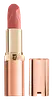
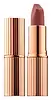
L'Oreal Les Nus By Colour Riche Intense Nude Lipstick Versus Charlotte Tilbury Matte Revolution Lipstick


What's inside
What's inside
 Key Ingredients
Benefits
Concerns
Ingredients Side-by-side
Dimethicone
Emollient

Hydrogenated Polyisobutene
EmollientPolyethylene
Abrasive

Trimethyl Pentaphenyl Trisiloxane
Emollient
Octyldodecyl Neopentanoate
EmollientSucrose Acetate Isobutyrate
Stearyl Heptanoate
Emollient

Trimethylsiloxysilicate
Emollient
Stearyl Caprylate
EmollientArgania Spinosa Kernel Oil
Emollient







Paraffin
Skin Conditioning
Pentaerythrityl Tetra-Di-T-Butyl Hydroxyhydrocinnamate
Antioxidant
Alumina
Abrasive
Dimethicone/Vinyltrimethylsiloxysilicate Crosspolymer
Cera Microcristallina
Emulsion StabilisingSynthetic Wax
Abrasive
Calcium Sodium Borosilicate
Citronellol
Perfuming

Calcium Aluminum Borosilicate
Synthetic Fluorphlogopite
CI 77120
Cosmetic ColorantLimonene
Perfuming
Colophonium
Geraniol
Perfuming
Magnesium Silicate
AbsorbentSilica
Abrasive
Benzyl Alcohol
Perfuming


Tocopherol
Antioxidant



Linalool
Perfuming
Tin Oxide
Abrasive
Aluminum Hydroxide
EmollientParfum
Masking
CI 77891
Cosmetic ColorantCI 77491
Cosmetic ColorantCI 77492
Cosmetic ColorantCI 77499
Cosmetic ColorantCI 15850
Cosmetic ColorantCI 45410
Cosmetic ColorantCI 15985
Cosmetic ColorantCI 42090
Cosmetic ColorantCI 17200
Cosmetic ColorantCI 45380
Cosmetic ColorantCI 77742
Cosmetic ColorantCI 75470
Cosmetic ColorantCI 19140
Cosmetic ColorantDimethicone, Hydrogenated Polyisobutene, Polyethylene, Trimethyl Pentaphenyl Trisiloxane, Octyldodecyl Neopentanoate, Sucrose Acetate Isobutyrate, Stearyl Heptanoate, Trimethylsiloxysilicate, Stearyl Caprylate, Argania Spinosa Kernel Oil, Paraffin, Pentaerythrityl Tetra-Di-T-Butyl Hydroxyhydrocinnamate, Alumina, Dimethicone/Vinyltrimethylsiloxysilicate Crosspolymer, Cera Microcristallina, Synthetic Wax, Calcium Sodium Borosilicate, Citronellol, Calcium Aluminum Borosilicate, Synthetic Fluorphlogopite, CI 77120, Limonene, Colophonium, Geraniol, Magnesium Silicate, Silica, Benzyl Alcohol, Tocopherol, Linalool, Tin Oxide, Aluminum Hydroxide, Parfum, CI 77891, CI 77491, CI 77492, CI 77499, CI 15850, CI 45410, CI 15985, CI 42090, CI 17200, CI 45380, CI 77742, CI 75470, CI 19140
Neopentyl Glycol Dicaprylate/Dicaprate
EmollientTrimethylolpropane Triisostearate
Emollient
Dimethicone
Emollient
Cera Microcristallina
Emulsion StabilisingPolyethylene
Abrasive
Polybutene
Dimethicone Crosspolymer
Emulsion Stabilising
Silica
Abrasive
Dicalcium Phosphate
Abrasive
Ethyl Vanillin
MaskingCaprylic/Capric Triglyceride
Masking
Tocopherol
Antioxidant
Carthamus Tinctorius Seed Oil
Masking
Zea Mays Oil
Emulsifying
Pentaerythrityl Tetra-Di-T-Butyl Hydroxyhydrocinnamate
Antioxidant
Carica Papaya Fruit Extract
Skin ConditioningOrchis Mascula Flower Extract
SoothingBixa Orellana Seed Extract
MaskingBHT
Antioxidant
Tocopheryl Acetate
Antioxidant
Tin Oxide
Abrasive
Mica
Cosmetic ColorantCI 77891
Cosmetic ColorantIron Oxides
CI 45410
Cosmetic ColorantCI 15850
Cosmetic ColorantCI 42090
Cosmetic ColorantCI 15985
Cosmetic ColorantCI 19140
Cosmetic ColorantCI 75470
Cosmetic ColorantNeopentyl Glycol Dicaprylate/Dicaprate, Trimethylolpropane Triisostearate, Dimethicone, Cera Microcristallina, Polyethylene, Polybutene, Dimethicone Crosspolymer, Silica, Dicalcium Phosphate, Ethyl Vanillin, Caprylic/Capric Triglyceride, Tocopherol, Carthamus Tinctorius Seed Oil, Zea Mays Oil, Pentaerythrityl Tetra-Di-T-Butyl Hydroxyhydrocinnamate, Carica Papaya Fruit Extract, Orchis Mascula Flower Extract, Bixa Orellana Seed Extract, BHT, Tocopheryl Acetate, Tin Oxide, Mica, CI 77891, Iron Oxides, CI 45410, CI 15850, CI 42090, CI 15985, CI 19140, CI 75470
Reviews
Ingredients Explained
These ingredients are found in both products.
Ingredients higher up in an ingredient list are typically present in a larger amount.
Cera Microcristallina, aka microcrystalline wax, is a petroleum-derived wax that helps thicken texture and stabilize the oils in formulas.
It also has mild occlusive properties that creates a film on skin to slow down water loss.
The CIR Expert Panel has concluded this ingredient to be safe as used in cosmetics.
This ingredient is refined to a cosmetic grade with high purity. It is chemically inert, stable, and doesn't clog pores (petroleum has a comedogenic rating of 0).
Malassezia feeds on fatty acids roughly in the C11-24 range and this ingredient contains none of those. Since there's no plausible food source for it here, this ingredient is fungal acne safe.
Learn more about Cera MicrocristallinaCi 15850 is the pigment color red. It is an azo dye and created synthetically.
Azo dyes need to be thoroughly purified before use. This allows them to be more stable and longer-lasting.
This ingredient is common in foundations, lipsticks, and blushes. This color is described as brown/orangey red.
It has many secondary names such as Red 6 and Red 7. According to a manufacturer, Red 6 usually contains aluminum.
Learn more about CI 15850Ci 15985 is a dye made from petroleum. It is synthetically created and approved by the FDA for use in foods and cosmetics.
The color of this dye is orange/yellow.
This ingredient can be found in makeup, sun care, and skincare.
Learn more about CI 15985CI 19140 is also known as Tartrazine. Tartrazine is a synthetic dye used in cosmetics, foods, and medicine to add a yellow color.
Tartrazine is created from petroleum and is water-soluble.
Some people may experience allergies from this dye, especially asthmatics and those with an aspirin intolerance.
Learn more about CI 19140Ci 42090 is a synthetic dye created from petroleum. It is used to give a bright blue color to cosmetics, medicine, and food.
CI 45410 is a synthetic red-pigment and dye.
It often goes by both Red 28 or Red 27; manufacturers label both ingredients as CI 45410.
This dye is commonly found in makeup because it imparts a vivid color. Some types of this dye change color based on pH level and interaction with moisture:
Your skin has a natural pH of around 4.5 - 5.5.
According to the FDA, CI 45410 is not permitted for use in eye products.
Red 27 is a flourescein dye and commonly used as a fluorescent tracer in medicine.
Learn more about CI 45410Ci 75470 is a bright-red pigment. It is AKA carmine.
Carmine is derived from insects such as the cochineal beetle. This ingredient has been used as a natural dye for over 2000 years.
Ci 77891 is a white pigment from Titanium dioxide. It is naturally found in minerals such as rutile and ilmenite.
It's main function is to add a white color to cosmetics. It can also be mixed with other colors to create different shades.
Ci 77891 is commonly found in sunscreens due to its ability to block UV rays.
Learn more about CI 77891Dimethicone is a type of synthetic silicone created from natural materials such as quartz. It is also known as polydimethylsiloxane.
What it does:
Dimethicone comes in different viscosities:
Depending on the viscosity, dimethicone has different properties.
Ingredients lists don't always show which type is used, so we recommend reaching out to the brand if you have questions about the viscosity.
This ingredient is unlikely to cause irritation because it does not get absorbed into skin. However, people with silicone allergies should be careful about using this ingredient.
Note: Dimethicone may contribute to pilling. This is because it is not oil or water soluble, so pilling may occur when layered with products. When mixed with heavy oils in a formula, the outcome is also quite greasy.
Learn more about DimethiconePentaerythrityl Tetra-Di-T-Butyl Hydroxyhydrocinnamate (long name, huh?) is a synthetic antioxidant.
It is used to help stabilize other antioxidants or prevent the color from changing in a product.
As an antioxidant, it helps fight free-radical molecules. Free-radical molecules are capable of damaging our cells and other genetic material. Thus, antioxidants may reduce the signs of aging.
This ingredient is oil-soluble.
Learn more about Pentaerythrityl Tetra-Di-T-Butyl HydroxyhydrocinnamatePolyethylene is a synthetic ingredient that helps the skin retain moisture. It is a polymer.
It is also typically used within product formulations to help bind solid ingredients together and thicken oil-based ingredients. When added to balms and emulsions, it helps increase the melting point temperature.
Silica, also known as silicon dioxide, is a naturally occurring mineral. It is used as a fine, spherical, and porous powder in cosmetics.
Though it has exfoliant properties, the function of silica varies depending on the product.
The unique structure of silica enhances the spreadability and adds smoothness, making it a great texture enhancer.
It is also used as an active carrier, emulsifier, and mattifier due to its ability to absorb excess oil.
In some products, tiny microneedles called spicules are made from silica or hydrolyzed sponge. When you rub them in, they lightly polish away dead skin layers and enhance the penetration of active ingredients.
Learn more about SilicaTin Oxide is an inorganic oxide used to add opacity and volume to a product. In nature, it is already found in mineral form. The main ore of tin is an opaque and shiny mineral called casseterite.
Tin Oxide helps remove translucency in a product, or make it more opaque. Besides adding opacity, tin oxide is used for bulking to add volume.
Tocopherol is a fat-soluble antioxidant known as Vitamin E.
You'll find this ingredient in the vast majority of skincare (for good reason). It works to neutralize free radicals, or unstable molecules generated by UV exposure, pollution, and other environmental stressors, before they can cause oxidative damage to your skin cells.
Topically applied tocopherol has been shown to protect against UV damage by ramping up the skin's own natural defense enzymes.
It also acts as a skin conditioning agent; some studies show that regular topical use can improve the skin's water-binding capacity over 2-4 weeks.
This ingredient is especially loved for being a team player. When combined with Vitamin C, the photoprotective effect of both ingredients roughly doubles and the combo also helps reduce UV-induced DNA damage.
This ingredient has some brightening potential but it's more of a prevention ingredient than spot-fader. Cell studies show it can slow down melanin production but it's worth noting that it's not the most powerful brightener out there.
In formulations, it also serves as a stabilizer that helps protect other oxidation-prone ingredients from degrading.
Concentrations usually range from 0.1-1% in most leave-on products.
Learn more about Tocopherol

