
What's inside
What's inside
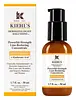 Key Ingredients
Benefits
Concerns
Ingredients Side-by-side
Propylene Glycol
Humectant


Dimethicone
Emollient

Glycerin
Humectant
Ascorbic Acid
Antioxidant





Ethylhexyl Palmitate
Emollient


Cetyl PEG/PPG-10/1 Dimethicone
Emulsifying
Dimethicone Crosspolymer
Emulsion Stabilising
Ascorbyl Glucoside
Antioxidant
Cyclohexasiloxane
Emollient
Hydroxyethylpiperazine Ethane Sulfonic Acid
BufferingLauroyl Lysine
Skin Conditioning
Acrylonitrile/Methyl Methacrylate/Vinylidene Chloride Copolymer
Polysilicone-11
Adenosine
Skin Conditioning
Hydrolyzed Hyaluronic Acid
Humectant
Limonene
Perfuming


Isobutane
Citrus Aurantium Dulcis Peel Oil
Masking

Citrus Limon Peel Oil
Masking
Citral
Perfuming
Pentaerythrityl Tetra-Di-T-Butyl Hydroxyhydrocinnamate
Antioxidant
Propylene Glycol, Dimethicone, Glycerin, Ascorbic Acid, Ethylhexyl Palmitate, Cetyl PEG/PPG-10/1 Dimethicone, Dimethicone Crosspolymer, Ascorbyl Glucoside, Cyclohexasiloxane, Hydroxyethylpiperazine Ethane Sulfonic Acid, Lauroyl Lysine, Acrylonitrile/Methyl Methacrylate/Vinylidene Chloride Copolymer, Polysilicone-11, Adenosine, Hydrolyzed Hyaluronic Acid, Limonene, Isobutane, Citrus Aurantium Dulcis Peel Oil, Citrus Limon Peel Oil, Citral, Pentaerythrityl Tetra-Di-T-Butyl Hydroxyhydrocinnamate
Water
Skin ConditioningGlycerin
Humectant
Dimethicone
Emollient
Propanediol
Solvent
Gluconolactone
Skin Conditioning


Dimethicone/PEG-10/15 Crosspolymer
Polymethylsilsesquioxane
Sodium Chloride
MaskingSodium Dextran Sulfate
Gel Forming
Sodium Hydroxide
BufferingPhenoxyethanol
Preservative
Citric Acid
Buffering
Chlorphenesin
Antimicrobial
Sodium Citrate
BufferingP-Anisic Acid
Masking
Disodium EDTA
PEG-10 Dimethicone
Skin Conditioning
Adenosine
Skin Conditioning
Dipropylene Glycol
HumectantTocopherol
Antioxidant

Water, Glycerin, Dimethicone, Propanediol, Gluconolactone, Dimethicone/PEG-10/15 Crosspolymer, Polymethylsilsesquioxane, Sodium Chloride, Sodium Dextran Sulfate, Sodium Hydroxide, Phenoxyethanol, Citric Acid, Chlorphenesin, Sodium Citrate, P-Anisic Acid, Disodium EDTA, PEG-10 Dimethicone, Adenosine, Dipropylene Glycol, Tocopherol
Reviews
Ingredients Explained
These ingredients are found in both products.
Ingredients higher up in an ingredient list are typically present in a larger amount.
Adenosine is in every living organism. It is one of four components in nucleic acids that helps store our DNA.
Adenosine has many benefits when used. These benefits include hydrating the skin, smoothing skin, and reducing wrinkles. Once applied, adenosine increases collagen production. It also helps with improving firmness and tissue repair.
Studies have found adenosine may also help with wound healing.
In skincare products, Adenosine is usually derived from yeast.
Learn more about AdenosineDimethicone is a type of synthetic silicone created from natural materials such as quartz. It is also known as polydimethylsiloxane.
What it does:
Dimethicone comes in different viscosities:
Depending on the viscosity, dimethicone has different properties.
Ingredients lists don't always show which type is used, so we recommend reaching out to the brand if you have questions about the viscosity.
This ingredient is unlikely to cause irritation because it does not get absorbed into skin. However, people with silicone allergies should be careful about using this ingredient.
Note: Dimethicone may contribute to pilling. This is because it is not oil or water soluble, so pilling may occur when layered with products. When mixed with heavy oils in a formula, the outcome is also quite greasy.
Learn more about DimethiconeGlycerin (or glycerol) is a compound naturally found in your skin. It's a powerhouse humectant that pulls water into the stratum corneum.
Topically, glycerin does several things at once:
Your skin makes glycerin on its own (mostly from sebaceous oil breakdown) and shuttles it to your outermost layer of skin, or your epidermis, via aquaporin-3.
Aquaporin-3 is a transporter that is essential for normal skin hydration, elasticity, and repair. Interestingly, mice lacking in AQP3 have dry and less elastic skin that can be fully corrected with glycerin.
This ingredient is non-irritating, plays well with almost every ingredient, and works across all skin types. Typical use is anywhere between 3-10% but can go up to 79% in some leave-on products.
Just know very high concentrations (>40%) can feel tacky in low humidity.
Glycerin is the name for this ingredient in American English. British English uses Glycerol/Glycerine.
Learn more about Glycerin
