

What's inside
What's inside
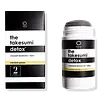 Key Ingredients
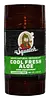
Benefits
Concerns
Ingredients Side-by-side
Glycerin
Humectant


Water
Skin ConditioningMaranta Arundinacea Root Powder
Skin ConditioningPropanediol
Solvent
Sodium Stearate
CleansingHydrated Silica
Abrasive
Saccharomyces Ferment Filtrate
Humectant


Aloe Barbadensis Leaf Juice
Skin Conditioning
Maltodextrin
Absorbent
Allantoin
Skin Conditioning
Salicylic Acid
Masking









Sorbic Acid
Preservative
Charcoal
Abrasive
Magnesium Hydroxide
AbsorbentBenzyl Alcohol
Perfuming



Potassium Sorbate
Preservative
Sodium Benzoate
Masking
Citrus Sinensis Peel Oil Expressed
Perfuming

Citrus Aurantium Bergamia Fruit Oil
Masking
Citrus Grandis Peel Oil
Masking
Glycerin, Water, Maranta Arundinacea Root Powder, Propanediol, Sodium Stearate, Hydrated Silica, Saccharomyces Ferment Filtrate, Aloe Barbadensis Leaf Juice, Maltodextrin, Allantoin, Salicylic Acid, Sorbic Acid, Charcoal, Magnesium Hydroxide, Benzyl Alcohol, Potassium Sorbate, Sodium Benzoate, Citrus Sinensis Peel Oil Expressed, Citrus Aurantium Bergamia Fruit Oil, Citrus Grandis Peel Oil
Caprylic/Capric Triglyceride
Masking
Maranta Arundinacea Root Powder
Skin ConditioningStearyl Alcohol
Emollient
Magnesium Hydroxide
AbsorbentBeeswax
Emulsion Stabilising

Butyrospermum Parkii Butter
Skin Conditioning
Cocos Nucifera Oil
Masking
Triethyl Citrate
Masking
Simmondsia Chinensis Seed Oil
Emollient
Parfum
Masking
Jojoba Esters
Emollient
Charcoal Powder
Abrasive
Lactobacillus Ferment
Skin Conditioning
Aloe Barbadensis Leaf Juice
Skin Conditioning
Helianthus Annuus Seed Oil
Emollient
Tocopherol
Antioxidant



Maltodextrin
Absorbent
Caprylic/Capric Triglyceride, Maranta Arundinacea Root Powder, Stearyl Alcohol, Magnesium Hydroxide, Beeswax, Butyrospermum Parkii Butter, Cocos Nucifera Oil, Triethyl Citrate, Simmondsia Chinensis Seed Oil, Parfum, Jojoba Esters, Charcoal Powder, Lactobacillus Ferment, Aloe Barbadensis Leaf Juice, Helianthus Annuus Seed Oil, Tocopherol, Maltodextrin
Ingredients Explained
These ingredients are found in both products.
Ingredients higher up in an ingredient list are typically present in a larger amount.
Aloe Barbadensis Leaf Juice is the filtered, stabilized liquid pressed from the inner gel of the aloe vera leaf.
In cosmetics, it shows up as either soothing active or a water-replacement base. It is roughly 98-99% water and the last 1-2% is an interesting mix of polysaccharides, amino acids, vitamins, minerals, and enzymes.
The polysaccharides do most of the work: they bind water at the skin surface for a light, non-greasy hydration boost. And one of the polysaccharides, glycomannan, is linked to fibroblast stimulation + collagen synthesis. This is also why aloe has such a long track record in wound and burn healing.
This ingredient is also calming with anti-inflammatory and mild antimicrobial activity, making it a great pick for sensitive, irritated, or post-sun skin.
Realistic expectations matter though; the solid evidence is mostly limited to hydration, soothing, and wound support. Deeper claims about anti-aging or sun protection are not well backed, and science reviews note it does not prevent radiation-induced skin injury.
Because it plays well with almost everything, it's commonly used as a base alongside other actives like niacinamide or vitamin C.
Typical usage concentrations range from 0.5% (where hydration benefits already show up) all the way to 90%+ (where it replaces water as the main base).
The safety for this ingredient is well-establish as well. Overall, this is a great supporting ingredient for those who want a boost in hydration.
Learn more about Aloe Barbadensis Leaf JuiceWe don't have a description for Magnesium Hydroxide yet.
Maltodextrin is a plant-derived carbohydrate made by breaking down starch (usually from corn, potato, or rice). In cosmetic formulas, it's a multitasking absorbent, emulsion stabilizer, and skin conditioner.
This ingredient is mostly used to stabilize emulsions and improve the powdery, non-greasy feel of products (like dry shampoos).
Safety-wise, this ingredient is pretty solid; it's even recognized as a food additive. Both animal and clinical studies found no adverse effects at the levels used in cosmetics.
Industry data shows this ingredient is used up to 45.7% in spray products and up to 33% in powder products.
Learn more about MaltodextrinWe don't have a description for Maranta Arundinacea Root Powder yet.


