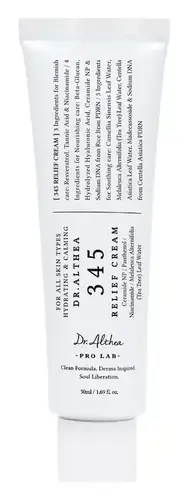
What's inside
What's inside
 Key Ingredients
Benefits
Concerns
Ingredients Side-by-side
Pentaerythrityl Tetraisostearate
Emollient

Octyldodecanol
Emollient
Diisostearyl Malate
EmollientPolybutene
Synthetic Wax
Abrasive

Bis-Diglyceryl Polyacyladipate-2
Emollient
Vp/Hexadecene Copolymer
Polyhydroxystearic Acid
Emulsifying
Disteardimonium Hectorite
StabilisingCaprylic/Capric Triglyceride
Masking

Pentaerythrityl Tetra-Di-T-Butyl Hydroxyhydrocinnamate
Antioxidant
Crithmum Maritimum Extract
Skin ConditioningUndaria Pinnatifida Extract
Skin ConditioningCI 77891
Cosmetic ColorantCI 15850
Cosmetic ColorantCI 19140
Cosmetic ColorantCI 42090
Cosmetic ColorantPentaerythrityl Tetraisostearate, Octyldodecanol, Diisostearyl Malate, Polybutene, Synthetic Wax, Bis-Diglyceryl Polyacyladipate-2, Vp/Hexadecene Copolymer, Polyhydroxystearic Acid, Disteardimonium Hectorite, Caprylic/Capric Triglyceride, Pentaerythrityl Tetra-Di-T-Butyl Hydroxyhydrocinnamate, Crithmum Maritimum Extract, Undaria Pinnatifida Extract, CI 77891, CI 15850, CI 19140, CI 42090
Pentaerythrityl Tetraisostearate
Emollient
Diisostearyl Malate
EmollientIsostearyl Isostearate
Emollient

Octyldodecanol
Emollient
Polybutene
Synthetic Wax
Abrasive
Euphorbia Cerifera Cera
Astringent
Ozokerite
Emulsion StabilisingSilica
Abrasive

Disteardimonium Hectorite
StabilisingEthylene Brassylate
MaskingPentaerythrityl Tetra-Di-T-Butyl Hydroxyhydrocinnamate
Antioxidant
Passiflora Edulis Seed Oil
Emollient
Squalane
Emollient
Butyrospermum Parkii Butter
Skin Conditioning
Butyrospermum Parkii Butter Unsaponifiables
Skin Conditioning
Polyhydroxystearic Acid
Emulsifying
CI 77891
Cosmetic ColorantCI 77491
Cosmetic ColorantCI 77492
Cosmetic ColorantCI 77499
Cosmetic ColorantCI 15850
Cosmetic ColorantCI 15985
Cosmetic ColorantPentaerythrityl Tetraisostearate, Diisostearyl Malate, Isostearyl Isostearate, Octyldodecanol, Polybutene, Synthetic Wax, Euphorbia Cerifera Cera, Ozokerite, Silica, Disteardimonium Hectorite, Ethylene Brassylate, Pentaerythrityl Tetra-Di-T-Butyl Hydroxyhydrocinnamate, Passiflora Edulis Seed Oil, Squalane, Butyrospermum Parkii Butter, Butyrospermum Parkii Butter Unsaponifiables, Polyhydroxystearic Acid, CI 77891, CI 77491, CI 77492, CI 77499, CI 15850, CI 15985
Reviews
Ingredients Explained
These ingredients are found in both products.
Ingredients higher up in an ingredient list are typically present in a larger amount.
Ci 15850 is the pigment color red. It is an azo dye and created synthetically.
Azo dyes need to be thoroughly purified before use. This allows them to be more stable and longer-lasting.
This ingredient is common in foundations, lipsticks, and blushes. This color is described as brown/orangey red.
It has many secondary names such as Red 6 and Red 7. According to a manufacturer, Red 6 usually contains aluminum.
Learn more about CI 15850Ci 77891 is a white pigment from Titanium dioxide. It is naturally found in minerals such as rutile and ilmenite.
It's main function is to add a white color to cosmetics. It can also be mixed with other colors to create different shades.
Ci 77891 is commonly found in sunscreens due to its ability to block UV rays.
Learn more about CI 77891Diisostearyl Malate is an emollient and most often used in lip products. It comes from isostearyl alcohol, a fatty acid, and malic acid, an AHA.
As an emollient, Diisostearyl Malate helps create a thin film on your skin to trap moisture in. This helps keep your skin soft and smooth.
Disteardimonium Hectorite comes from the clay mineral named hectorite. It is used to add thickness to a product.
It can also help stabilize a product by helping to disperse other ingredients.
Hectorite is a rare, white clay mineral.
Learn more about Disteardimonium HectoriteOctyldodecanol is a fatty alcohol sourced from plant oils like coconut or palm (or made synthetically).
It is:
You'll likely see this in many BHA products because this is the go-to solvent for salicylic acid.
This ingredient is typically used at levels between 2-20%.
Regarding fungal acne:
In 2019, this ingredient was tested against multiple Malassezia species (the yeast that causes fungal acne) and showed no growth.
Pentaerythrityl Tetra-Di-T-Butyl Hydroxyhydrocinnamate (long name, huh?) is a synthetic antioxidant.
It is used to help stabilize other antioxidants or prevent the color from changing in a product.
As an antioxidant, it helps fight free-radical molecules. Free-radical molecules are capable of damaging our cells and other genetic material. Thus, antioxidants may reduce the signs of aging.
This ingredient is oil-soluble.
Learn more about Pentaerythrityl Tetra-Di-T-Butyl HydroxyhydrocinnamatePentaerythrityl Tetraisostearate is a synthetic emollient and "skin-feel" ingredient that spreads well and leaves a non-sticky finish with high gloss.
In makeup, it also doubles as a pigment-wetting agent for better color payoff.
It's a well-vetted ingredient for safety and does not penetrate into skin due to its large molecule size.
Because it's a long-chain fatty acid ester, this ingredient may not be fungal acne or Malassezia safe.
Learn more about Pentaerythrityl TetraisostearatePolybutene is used to help control the viscosity of a product. This just means it helps adjusts the texture.
It is a polymer and does not get absorbed into the skin due to its large size.
Studies found this ingredient did not irritate skin in concentrations below 15%.
Learn more about PolybutenePolyhydroxystearic Acid is a vegetable-derived soft wax made from castor oil. It's an emulsion stabilizer, thickener, and film former.
You'll likely see it in sunscreens because it helps disperse pigments and UV-reflecting minerals like titanium dioxide and zinc oxide evenly.
Depending on the concentration, it can drastically change the texture of a product from pasty solid (like lipstick) to sprayable liquid.
The CIR Expert Panel for Cosmetic Ingredient Safety has concluded this ingredient to be safe in cosmetics. The highest reported use concentration is 14.2% in lipsticks.
Learn more about Polyhydroxystearic AcidSynthetic Wax is a manufactured hydrocarbon wax. In formulas, it works as an occlusive emollient that helps reduce water loss and improves the spreadability of products.
Research comparing synthetic wax to traditional mineral-derived products found that formulas containing it perform as well for skin hydration.
It is considered non-comedogenic and vegan-friendly.
This ingredient has a well-established safety record by the CIR Expert Panel for Cosmetic Ingredient Safety.
Synthetic Waxes are straight/branched-chain hydrocarbons with no ester bond or fatty acids. That means there is nothing for the Malassezia yeast to feed on.
Learn more about Synthetic Wax