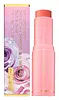
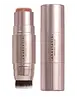
Pat McGrath Labs Divine Cream Blush Legendary Glow Color Balm Versus Anastasia Beverly Hills Stick Blush


What's inside
What's inside
 Key Ingredients
Benefits
Concerns
Ingredients Side-by-side
Pentaerythrityl Tetraisostearate
Emollient

Diisostearyl Malate
EmollientIsostearyl Isostearate
Emollient


Octyldodecanol
Emollient
Polybutene
Synthetic Wax
Abrasive
Euphorbia Cerifera Cera
Astringent
Ozokerite
Emulsion StabilisingSilica
Abrasive

Disteardimonium Hectorite
StabilisingEthylene Brassylate
MaskingPentaerythrityl Tetra-Di-T-Butyl Hydroxyhydrocinnamate
Antioxidant
Passiflora Edulis Seed Oil
Emollient
Squalane
Emollient


Butyrospermum Parkii Butter
Skin Conditioning
Butyrospermum Parkii Butter Unsaponifiables
Skin Conditioning
Polyhydroxystearic Acid
Emulsifying
CI 77891
Cosmetic ColorantCI 77491
Cosmetic ColorantCI 77492
Cosmetic ColorantCI 77499
Cosmetic ColorantCI 15850
Cosmetic ColorantCI 15985
Cosmetic ColorantPentaerythrityl Tetraisostearate, Diisostearyl Malate, Isostearyl Isostearate, Octyldodecanol, Polybutene, Synthetic Wax, Euphorbia Cerifera Cera, Ozokerite, Silica, Disteardimonium Hectorite, Ethylene Brassylate, Pentaerythrityl Tetra-Di-T-Butyl Hydroxyhydrocinnamate, Passiflora Edulis Seed Oil, Squalane, Butyrospermum Parkii Butter, Butyrospermum Parkii Butter Unsaponifiables, Polyhydroxystearic Acid, CI 77891, CI 77491, CI 77492, CI 77499, CI 15850, CI 15985
Butylene Glycol Dicaprylate/Dicaprate
EmollientDimethicone
Emollient

Isotridecyl Isononanoate
EmollientPolyglyceryl-2 Triisostearate
Emulsifying
Polymethylsilsesquioxane
Mica
Cosmetic ColorantSynthetic Fluorphlogopite
Silica
Abrasive
Paraffin
Skin Conditioning
Calcium Aluminum Borosilicate
Polyethylene
Abrasive
Cera Microcristallina
Emulsion StabilisingDiisostearyl Malate
EmollientEuphorbia Cerifera Cera
Astringent
Sorbitan Sesquioleate
Emulsifying
Tocopheryl Acetate
Antioxidant

Caprylic/Capric Glycerides
Emollient1,2-Hexanediol
Skin Conditioning
Tin Oxide
Abrasive
CI 77891
Cosmetic ColorantIron Oxides
CI 77491
Cosmetic ColorantCI 77492
Cosmetic ColorantCI 77499
Cosmetic ColorantCI 19140
Cosmetic ColorantCI 15850
Cosmetic ColorantButylene Glycol Dicaprylate/Dicaprate, Dimethicone, Isotridecyl Isononanoate, Polyglyceryl-2 Triisostearate, Polymethylsilsesquioxane, Mica, Synthetic Fluorphlogopite, Silica, Paraffin, Calcium Aluminum Borosilicate, Polyethylene, Cera Microcristallina, Diisostearyl Malate, Euphorbia Cerifera Cera, Sorbitan Sesquioleate, Tocopheryl Acetate, Caprylic/Capric Glycerides, 1,2-Hexanediol, Tin Oxide, CI 77891, Iron Oxides, CI 77491, CI 77492, CI 77499, CI 19140, CI 15850
Ingredients Explained
These ingredients are found in both products.
Ingredients higher up in an ingredient list are typically present in a larger amount.
Ci 15850 is the pigment color red. It is an azo dye and created synthetically.
Azo dyes need to be thoroughly purified before use. This allows them to be more stable and longer-lasting.
This ingredient is common in foundations, lipsticks, and blushes. This color is described as brown/orangey red.
It has many secondary names such as Red 6 and Red 7. According to a manufacturer, Red 6 usually contains aluminum.
Learn more about CI 15850Ci 77491 is also hydrated iron III oxide. It's sole purpose is to give a red/pink hue to products.
Iron III oxides are classified as inorganic chemicals for coloring.
Synthetically created Ci 77491 is considered safer than those naturally found. This is because the synthetically created version may contain less impurities. Iron oxides are generally non-toxic and non-allergenic.
Learn more about CI 77491CI 77492 is also hydrated iron III oxide. It's sole purpose is to give a yellow hue to products.
Iron III oxides are classified as inorganic chemicals for coloring.
Synthetically created CI 77492 is considered safer than those naturally found. This is because the synthetically created version may contain less impurities. Iron oxides are generally non-toxic and non-allergenic.
Learn more about CI 77492Ci 77499 is also hydrated iron III oxide. It is created from mixing red and black iron oxides. This helps give shades of darkness to a product.
Iron III oxides are classified as inorganic chemicals for coloring.
Ci 77891 is a white pigment from Titanium dioxide. It is naturally found in minerals such as rutile and ilmenite.
It's main function is to add a white color to cosmetics. It can also be mixed with other colors to create different shades.
Ci 77891 is commonly found in sunscreens due to its ability to block UV rays.
Learn more about CI 77891Diisostearyl Malate is an emollient and most often used in lip products. It comes from isostearyl alcohol, a fatty acid, and malic acid, an AHA.
As an emollient, Diisostearyl Malate helps create a thin film on your skin to trap moisture in. This helps keep your skin soft and smooth.
Euphorbia Cerifera Cera (aka candelilla wax) is a vegan stand-in for beeswax. It is a plant-derived wax that functions as an astringent, emulsion stabilizer, film-former, and skin conditioner.
On skin, it forms a protective barrier that helps lock in moisture while it enhances product stability, prevents separation, and helps color last longer in makeup.
This ingredient is generally safe for use in cosmetics with one nuance: some grades of candelilla wax can naturally contain benzyl alcohol at concentrations high enough to require declaration under EU labeling rules. This isn't a concern for most people but relevant for those with fragrance sensitivities.
Candelilla wax contains fatty acids (mainly C31) and wax esters that can be used by the Malassezia yeast, so this ingredient may not be fungal acne safe.
You might see Euphorbia Cerifera "Wax" instead of "cera". This is because some brands, databases, or labels use it interchangeably; they're the same ingredient.
Learn more about Euphorbia Cerifera CeraSilica, also known as silicon dioxide, is a naturally occurring mineral. It is used as a fine, spherical, and porous powder in cosmetics.
Though it has exfoliant properties, the function of silica varies depending on the product.
The unique structure of silica enhances the spreadability and adds smoothness, making it a great texture enhancer.
It is also used as an active carrier, emulsifier, and mattifier due to its ability to absorb excess oil.
In some products, tiny microneedles called spicules are made from silica or hydrolyzed sponge. When you rub them in, they lightly polish away dead skin layers and enhance the penetration of active ingredients.
Learn more about Silica

