Isa Knox Anew Solaire Everyday Mineral Face Protection Cream SPF 50 Versus ELFORMULA Mugwort Soothing Sun Gel SPF 40 PA+++
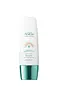
This mineral sunscreen covers the full UV range and blocks ~98% of UVB at SPF 50.
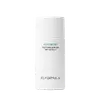
This chemical sunscreen covers burning UVB and near UVA but not the deep UVA that drives aging.


What's inside
What's inside
 Key Ingredients
Benefits
Concerns
No concerns
Ingredients Side-by-side
Water
Skin ConditioningZinc Oxide
Cosmetic Colorant


Dimethicone
Emollient

Benzotriazolyl Dodecyl P-Cresol
UV AbsorberCyclopentasiloxane
Emollient
Polyglyceryl-3 Polydimethylsiloxyethyl Dimethicone
Skin Conditioning
Dipropylene Glycol
HumectantGlycerin
Humectant

Disteardimonium Hectorite
Stabilising1,2-Hexanediol
Skin Conditioning
Isostearic Acid
Cleansing



Magnesium Sulfate
Panthenol
Skin Conditioning

Polyglyceryl-6 Polyricinoleate
Emulsifying
Dimethicone/Polyglycerin-3 Crosspolymer
Cleansing
Niacinamide
Smoothing






Caprylic/Capric Triglyceride
Masking
Triethoxycaprylylsilane
Distearyldimonium Chloride
Myristica Fragrans Extract
MaskingSodium Citrate
BufferingTocopherol
Antioxidant

Paeonol
Antioxidant
Paeonia Suffruticosa Branch/Flower/Leaf Extract
Skin ConditioningWater, Zinc Oxide, Dimethicone, Benzotriazolyl Dodecyl P-Cresol, Cyclopentasiloxane, Polyglyceryl-3 Polydimethylsiloxyethyl Dimethicone, Dipropylene Glycol, Glycerin, Disteardimonium Hectorite, 1,2-Hexanediol, Isostearic Acid, Magnesium Sulfate, Panthenol, Polyglyceryl-6 Polyricinoleate, Dimethicone/Polyglycerin-3 Crosspolymer, Niacinamide, Caprylic/Capric Triglyceride, Triethoxycaprylylsilane, Distearyldimonium Chloride, Myristica Fragrans Extract, Sodium Citrate, Tocopherol, Paeonol, Paeonia Suffruticosa Branch/Flower/Leaf Extract
Water
Skin ConditioningCyclopentasiloxane
Emollient
Phenylbenzimidazole Sulfonic Acid
UV Absorber
Glycerin
Humectant
Centella Asiatica Leaf Water
Skin Conditioning
Dimethicone
Emollient
Tromethamine
BufferingPolyphenylsilsesquioxane
Terephthalylidene Dicamphor Sulfonic Acid
UV Absorber
Vinyl Dimethicone
Panthenol
Skin Conditioning
PEG/PPG-17/6 Copolymer
SolventDimethicone/Vinyl Dimethicone Crosspolymer
Skin Conditioning
Glyceryl Glucoside
Humectant
Dimethicone/PEG-10/15 Crosspolymer
PEG-10 Dimethicone
Skin Conditioning
Hexylene Glycol
EmulsifyingHydroxyacetophenone
Antioxidant
Dipotassium Glycyrrhizate
Humectant
Dipropylene Glycol
HumectantSodium Citrate
BufferingTocopherol
Antioxidant
Artemisia Vulgaris Extract
Skin Conditioning
1,2-Hexanediol
Skin Conditioning
Water, Cyclopentasiloxane, Phenylbenzimidazole Sulfonic Acid, Glycerin, Centella Asiatica Leaf Water, Dimethicone, Tromethamine, Polyphenylsilsesquioxane, Terephthalylidene Dicamphor Sulfonic Acid, Vinyl Dimethicone, Panthenol, PEG/PPG-17/6 Copolymer, Dimethicone/Vinyl Dimethicone Crosspolymer, Glyceryl Glucoside, Dimethicone/PEG-10/15 Crosspolymer, PEG-10 Dimethicone, Hexylene Glycol, Hydroxyacetophenone, Dipotassium Glycyrrhizate, Dipropylene Glycol, Sodium Citrate, Tocopherol, Artemisia Vulgaris Extract, 1,2-Hexanediol
Reviews
Ingredients Explained
These ingredients are found in both products.
Ingredients higher up in an ingredient list are typically present in a larger amount.
1,2-Hexanediol is a synthetic liquid and another multi-functional powerhouse.
It is a:
- Humectant, drawing moisture into the skin
- Emollient, helping to soften skin
- Solvent, dispersing and stabilizing formulas
- Preservative booster, enhancing the antimicrobial activity of other preservatives
Cyclopentasiloxane (D5) is a lightweight silicone that mostly acts as an emollient and solvent in cosmetics. Its the reason your products feel silky, fast-spreading, and non-greasy.
Since D5 is volatile, it does its thing and then evaporates off the skin quickly.
The safety profile of this ingredient is reassuring; the US CIR Expert Panel concluded D5 is safe as used in cosmetics and Health Canada concluded that D5 is not harmful to human health or the environment as currently used in cosmetics
There's a study that people mention about D5 in a rat study showing tumors. This study is related to long-term inhalation of high D5 levels.
Regulatory bodies have judged this study to be not applicable in topical skincare since skin absorption of D5 is very low and we're not really inhaling huge amounts of D5.
The only restriction for this ingredient is environmental. The European Chemicals Agency (ECHA) restricted D5 in wash-off cosmetics at or above 0.1% due to their persistence in water.
Learn more about CyclopentasiloxaneDimethicone is a type of synthetic silicone created from natural materials such as quartz. It is also known as polydimethylsiloxane.
What it does:
Dimethicone comes in different viscosities:
Depending on the viscosity, dimethicone has different properties.
Ingredients lists don't always show which type is used, so we recommend reaching out to the brand if you have questions about the viscosity.
This ingredient is unlikely to cause irritation because it does not get absorbed into skin. However, people with silicone allergies should be careful about using this ingredient.
Note: Dimethicone may contribute to pilling. This is because it is not oil or water soluble, so pilling may occur when layered with products. When mixed with heavy oils in a formula, the outcome is also quite greasy.
Learn more about DimethiconeDipropylene Glycol is a synthetically created humectant, stabilizer, and solvent.
This ingredient helps:
Dipropylene glycol is technically an alcohol, but it belongs to the glycol family (often considered part of the ‘good’ alcohols). This means it is hydrating and gentle on skin unlike drying solvent alcohols like denatured alcohol.
As a masking agent, Dipropylene Glycol can be used to cover the smell of other ingredients. However, it does not have a scent.
Studies show Dipropylene Glycol is considered safe to use in skincare.
Learn more about Dipropylene GlycolGlycerin (or glycerol) is a compound naturally found in your skin. It's a powerhouse humectant that pulls water into the stratum corneum.
Topically, glycerin does several things at once:
Your skin makes glycerin on its own (mostly from sebaceous oil breakdown) and shuttles it to your outermost layer of skin, or your epidermis, via aquaporin-3.
Aquaporin-3 is a transporter that is essential for normal skin hydration, elasticity, and repair. Interestingly, mice lacking in AQP3 have dry and less elastic skin that can be fully corrected with glycerin.
This ingredient is non-irritating, plays well with almost every ingredient, and works across all skin types. Typical use is anywhere between 3-10% but can go up to 79% in some leave-on products.
Just know very high concentrations (>40%) can feel tacky in low humidity.
Glycerin is the name for this ingredient in American English. British English uses Glycerol/Glycerine.
Learn more about GlycerinPanthenol is a common ingredient that helps hydrate and soothe the skin. It is found naturally in our skin and hair.
There are two forms of panthenol: D and L.
D-panthenol is also known as dexpanthenol. Most cosmetics use dexpanthenol or a mixture of D and L-panthenol.
Panthenol is famous due to its ability to go deeper into the skin's layers. Using this ingredient has numerous pros (and no cons):
Like hyaluronic acid, panthenol is a humectant. Humectants are able to bind and hold large amounts of water to keep skin hydrated.
This ingredient works well for wound healing. It works by increasing tissue in the wound and helps close open wounds.
Once oxidized, panthenol converts to pantothenic acid. Panthothenic acid is found in all living cells.
This ingredient is also referred to as pro-vitamin B5.
Learn more about PanthenolSodium Citrate is the sodium salts of citric acid. In skincare, it is used to alter pH levels and acts as a preservative.
Its main functions are to maintain the pH of a product and neutralize metal ions.
The acidity of our skin is maintained by our glands and skin biome; normal pH level of skin is slightly acidic (~4.75-5.5).
Being slightly acidic allows our skin to create an "acid mantle". This acid mantle is a thin barrier that protects our skin from bacteria and contaminants.
Learn more about Sodium CitrateTocopherol is a fat-soluble antioxidant known as Vitamin E.
You'll find this ingredient in the vast majority of skincare (for good reason). It works to neutralize free radicals, or unstable molecules generated by UV exposure, pollution, and other environmental stressors, before they can cause oxidative damage to your skin cells.
Topically applied tocopherol has been shown to protect against UV damage by ramping up the skin's own natural defense enzymes.
It also acts as a skin conditioning agent; some studies show that regular topical use can improve the skin's water-binding capacity over 2-4 weeks.
This ingredient is especially loved for being a team player. When combined with Vitamin C, the photoprotective effect of both ingredients roughly doubles and the combo also helps reduce UV-induced DNA damage.
This ingredient has some brightening potential but it's more of a prevention ingredient than spot-fader. Cell studies show it can slow down melanin production but it's worth noting that it's not the most powerful brightener out there.
In formulations, it also serves as a stabilizer that helps protect other oxidation-prone ingredients from degrading.
Concentrations usually range from 0.1-1% in most leave-on products.
Learn more about TocopherolWater. It's the most common cosmetic ingredient of all. You'll usually see it at the top of ingredient lists, meaning that it makes up the largest part of the product.
So why is it so popular? Water most often acts as a solvent - this means that it helps dissolve other ingredients into the formulation.
You'll also recognize water as that liquid we all need to stay alive. If you see this, drink a glass of water. Remember to stay hydrated!
Learn more about Water

