
What's inside
What's inside
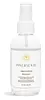 Key Ingredients
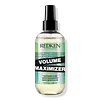
No key ingredients
Benefits
Concerns
Ingredients Side-by-side
Water
Skin ConditioningSodium Chloride
MaskingCaprylyl/Capryl Glucoside
CleansingGlycerin
Humectant


Gluconolactone
Chelating






Sodium Benzoate
Masking
Citrus Aurantium Dulcis Peel Oil
Masking

Sodium Phytate
ChelatingEucalyptus Radiata Leaf/Stem Oil
Masking


Zingiber Officinale Root Oil
Masking
Citric Acid
Buffering

Angelica Archangelica Root Extract
Masking
Calendula Officinalis Flower Extract
Masking
Chamomilla Recutita Flower Extract
Masking
Tilia Cordata Flower Extract
Skin Conditioning
Calcium Gluconate
HumectantPotassium Sorbate
Preservative
Limonene
Perfuming
Water, Sodium Chloride, Caprylyl/Capryl Glucoside, Glycerin, Gluconolactone, Sodium Benzoate, Citrus Aurantium Dulcis Peel Oil, Sodium Phytate, Eucalyptus Radiata Leaf/Stem Oil, Zingiber Officinale Root Oil, Citric Acid, Angelica Archangelica Root Extract, Calendula Officinalis Flower Extract, Chamomilla Recutita Flower Extract, Tilia Cordata Flower Extract, Calcium Gluconate, Potassium Sorbate, Limonene
Water
Skin ConditioningAlcohol Denat.
Antimicrobial

Pvp
Emulsion StabilisingPropylene Glycol
Humectant
Triethanolamine
BufferingOleth-20
CleansingPhenoxyethanol
Preservative
Acrylates/Beheneth-25 Methacrylate Copolymer
Parfum
Masking
Oleth-10
EmulsifyingCaprylyl Glycol
Emollient
Menthol
Masking
Benzyl Alcohol
Perfuming
Linalool
Perfuming
Hexyl Cinnamal
Perfuming
2-Oleamido-1,3-Octadecanediol
Skin ConditioningAlpha-Isomethyl Ionone
Perfuming
Limonene
Perfuming
Benzyl Benzoate
Antimicrobial
Citronellol
Perfuming
Water, Alcohol Denat., Pvp, Propylene Glycol, Triethanolamine, Oleth-20, Phenoxyethanol, Acrylates/Beheneth-25 Methacrylate Copolymer, Parfum, Oleth-10, Caprylyl Glycol, Menthol, Benzyl Alcohol, Linalool, Hexyl Cinnamal, 2-Oleamido-1,3-Octadecanediol, Alpha-Isomethyl Ionone, Limonene, Benzyl Benzoate, Citronellol
Ingredients Explained
These ingredients are found in both products.
Ingredients higher up in an ingredient list are typically present in a larger amount.
Limonene is the compound that gives citrus peel its smell.
In skincare, it shows up as a standalone fragrance ingredient or as a natural compound of citrus and other essential oils.
You'll typically see this ingredient used in very small amounts; anything above 0.001% in a leave-on product or 0.01% in a rinse-off has to be named on the label in the EU. The citrus oils that carry it sit around 0.5-1% in a finished formula.
Fresh limonene is a weak allergen; the real issue is that it slowly reacts with air and then breaks down from oxidation to create hydroperoxides (which are strong sensitizers). This is why suppliers are required to keep the peroxide value below 20 mmol.
Positive reactions in people being investigated for eczema vary:
It's worth skipping if you have a known fragrance allergy or a compromised barrier, but the risk is low for most people.
Older or long-opened products are also more likely to bother you than fresh ones due to oxidation.
Learn more about LimoneneWater. It's the most common cosmetic ingredient of all. You'll usually see it at the top of ingredient lists, meaning that it makes up the largest part of the product.
So why is it so popular? Water most often acts as a solvent - this means that it helps dissolve other ingredients into the formulation.
You'll also recognize water as that liquid we all need to stay alive. If you see this, drink a glass of water. Remember to stay hydrated!
Learn more about Water

