

What's inside
What's inside
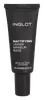 Key Ingredients
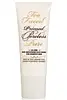
Benefits
Concerns
Ingredients Side-by-side
Isododecane
EmollientDimethicone
Emollient

Butylene Glycol
Humectant

Polysilicone-11

Saccharomyces Ferment
Skin Conditioning

Isohexadecane
EmollientEnantia Chlorantha Bark Extract
Skin ConditioningAmmonium Polyacryloyldimethyl Taurate
Emulsion StabilisingCaprylyl Glycol
Emollient
Phenoxyethanol
Preservative
Tocopheryl Acetate
Antioxidant


Polysorbate 80
Emulsifying
Lauroyl Lysine
Skin Conditioning
Polysorbate 20
Emulsifying
Hexylene Glycol
EmulsifyingOleanolic Acid
Skin ConditioningIsododecane, Dimethicone, Butylene Glycol, Polysilicone-11, Saccharomyces Ferment, Isohexadecane, Enantia Chlorantha Bark Extract, Ammonium Polyacryloyldimethyl Taurate, Caprylyl Glycol, Phenoxyethanol, Tocopheryl Acetate, Polysorbate 80, Lauroyl Lysine, Polysorbate 20, Hexylene Glycol, Oleanolic Acid
Dimethicone
Emollient
Dimethicone Crosspolymer
Emulsion Stabilising
Polysilicone-11
Nylon-12

PEG-10 Dimethicone
Skin Conditioning
Polysorbate 40
Emulsifying
Isohexadecane
EmollientAmmonium Polyacryloyldimethyl Taurate
Emulsion StabilisingDisiloxane
Skin Conditioning
Butylene Glycol
Humectant
Enantia Chlorantha Bark Extract
Skin ConditioningOleanolic Acid
Skin ConditioningDipropylene Glycol
HumectantSodium Palmitoyl Proline
Skin ConditioningNymphaea Alba Flower Extract
Skin ConditioningArctostaphylos Uva Ursi Leaf Extract
Skin Conditioning
Morus Alba Bark Extract
Skin ConditioningTocopheryl Acetate
Antioxidant
Cycloheptasiloxane
Emollient
Cyclopentasiloxane
Emollient
Cyclohexasiloxane
Emollient
Phenoxyethanol
Preservative
Ethylhexylglycerin
Skin ConditioningCyclodextrin
AbsorbentPolysorbate 20
Emulsifying
Retinol
Skin Conditioning





BHT
Antioxidant
BHA
Antioxidant
Dimethicone, Dimethicone Crosspolymer, Polysilicone-11, Nylon-12, PEG-10 Dimethicone, Polysorbate 40, Isohexadecane, Ammonium Polyacryloyldimethyl Taurate, Disiloxane, Butylene Glycol, Enantia Chlorantha Bark Extract, Oleanolic Acid, Dipropylene Glycol, Sodium Palmitoyl Proline, Nymphaea Alba Flower Extract, Arctostaphylos Uva Ursi Leaf Extract, Morus Alba Bark Extract, Tocopheryl Acetate, Cycloheptasiloxane, Cyclopentasiloxane, Cyclohexasiloxane, Phenoxyethanol, Ethylhexylglycerin, Cyclodextrin, Polysorbate 20, Retinol, BHT, BHA
Ingredients Explained
These ingredients are found in both products.
Ingredients higher up in an ingredient list are typically present in a larger amount.
Ammonium Polyacryloyldimethyl Taurate is a polymer made from ammonium salts. It works as a thickener, emulsifier, and texture enhancer that gives gel-creams a silky, lightweight feel.
This ingredient is versatile and low-maintenance so manufacturers love working with it.
Typical usage levels in cosmetics are usually low and in the range of 0.015 - 2.3%.
Learn more about Ammonium Polyacryloyldimethyl TaurateButylene Glycol (or BG) is used within cosmetic products for a few different reasons:
Overall, Butylene Glycol is a safe and well-rounded ingredient that works well with other ingredients.
Though this ingredient works well with most skin types, some people with sensitive skin may experience a reaction such as allergic rashes, closed comedones, or itchiness.
Learn more about Butylene GlycolDimethicone is a type of synthetic silicone created from natural materials such as quartz. It is also known as polydimethylsiloxane.
What it does:
Dimethicone comes in different viscosities:
Depending on the viscosity, dimethicone has different properties.
Ingredients lists don't always show which type is used, so we recommend reaching out to the brand if you have questions about the viscosity.
This ingredient is unlikely to cause irritation because it does not get absorbed into skin. However, people with silicone allergies should be careful about using this ingredient.
Note: Dimethicone may contribute to pilling. This is because it is not oil or water soluble, so pilling may occur when layered with products. When mixed with heavy oils in a formula, the outcome is also quite greasy.
Learn more about DimethiconeWe don't have a description for Enantia Chlorantha Bark Extract yet.
Isohexadecane is added to enhance texture, emulsify, and to help cleanse. It is an isoparrafin. It is a component of petrolatum.
Due to its large size, Isohexadecane is not absorbed by the skin. Instead, it sits on top and acts as an emollient. Emollients help keep your skin soft and smooth by trapping moisture within.
Isohexadecane is often used in products designed to help oily skin. It is lightweight and non-greasy while helping to moisturize. When mixed with silicones, it gives a product a silky feel.
Learn more about IsohexadecaneOleanolic acid is a type of triterpene.
Triterpenes are chemical compounds found in various plants such as pomegranates, apples, basil, and rosemary. They have been shown to have anti-inflammatory and antioxidant properties.
Phenoxyethanol is one of the most widely used preservatives in skincare (and for good reason!).
It has a large spectrum of antimicrobial activity and especially effective bacteria, yeast, and mold while only having a weak effect on your skin's natural microbiome.
On a cellular level, it disrupts the cell membranes of microbes by poking holes that make the cell leak. This shuts down the chemical reactions the microbe needs to make energy so it can no longer survive.
Another perk of this ingredient is that it stays functional across a wide pH range (3-10).
You'll often see it paired with boosters like Ethylhexylglycerin; one study showed that a 1:9 ratio of Ethylhexylglycerin to Phenoxyethanol damages bacterial membranes as effectively as doubling the Phenoxyethanol concentration on its own.
Typical use concentrations range from 0.3-1% depending on the formula, and this ingredient is capped at 1% int the EU.
Safety-wise, the fear mongering does not hold up to the evidence. The EU's Scientific Committee on Consumer Safety and FDA consider it safe as a preservative at up to 1%, including for children of all ages.
Adverse systemic effects only showed up in animal studies at exposures roughly 200x higher than what people get from cosmetics. And despite its very widespread use, this ingredient is a rare sensitizer and allergic reactions are uncommon.
Learn more about PhenoxyethanolPolysilicone-11 is a film-forming silicone that creates a non-tacky and matte finish on the skin. It's commonly used to improve texture, absorb excess oil, and help active ingredients spread evenly.
Due to its "rubber-like" structure, it stays on the skin's surface instead of being absorbed. On the skin, it creates a flexible layer that enhances wearability and stability.
Polysorbate 20 is a gentle, water-soluble emulsifier and mild surfactant. It stops oil and water from separating to keep your formulas blended and stable.
It also acts as a mild penetration enhancer by helping active ingredients absorb slightly better.
The common safety discussion around this ingredient involves a manufacturing byproduct called 1,4-dioxane.
Trace amounts can form during production but the EU's Scientific Committee on Consumer Safety has concluded that levels at/below 10 ppm in finished products are safe (commercial products consistently fall within acceptable margins).
True allergic reactions are uncommon and the CIR Expert Panel has confirmed this ingredient to be safe as used in cosmetics.
Because it is derived from lauric acid, it may not be fungal acne safe.
Learn more about Polysorbate 20Tocopheryl Acetate is a stable, shelf-friendly form of vitamin E.
Formulators love it because plain vitamin E oxidizes quickly once it hits air. This acetate version stays stable and resists going off, helping to extend a product's shelf life.
It's actually inactive on its own and works like a slow-release "storage" form; the enzymes in your skin called esterases gradually convert it into active vitamin E over time.
One in vivo study showed 5% of the acetate in the living layer of the epidermis converted to vitamin E after 5 days of application. This study also found the skin gained protection against UV damage even though the conversion was slow and small.
Once converted, vitamin E acts as a skin's main fat-soluble antioxidant that fights free radicals to protect skin from damage.
Topical vitamin E generally boosts the skin's photoprotection, and it reduced UV-damage in animal models.
This ingredient has some brightening potential but it's more of a prevention ingredient than spot-fader. Cell studies show it can slow down melanin production but it's worth noting that it's not the most powerful brightener out there.
Overall, it has a pretty solid safety profile and has been found to be non-irritating and non-comedogenic. Allergic reactions may happen but stay rare due to how widely the ingredient gets used.
The concentration will vary depending on the formula; industry data shows 0.1% in baby lotions, 3% in lipsticks, and 5% in foot powders. You can also find this ingredient at 100% in a pure vitamin E oil.
Most leave-on skincare keeps it at the lower end, often between 0.5-1%.
Learn more about Tocopheryl Acetate

