
What's inside
What's inside
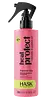 Key Ingredients
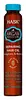
No key ingredients
Benefits
Concerns
Ingredients Side-by-side
Water
Skin ConditioningGlycerin
Humectant


Cetrimonium Chloride
Antimicrobial
Amodimethicone

Keratin Amino Acids
Skin ConditioningSimmondsia Chinensis Seed Oil
Emollient


PEG-12 Dimethicone
Skin Conditioning
Pvp
Emulsion StabilisingPEG-12 Allyl Ether
PEG-12
HumectantTrideceth-12
EmulsifyingDisodium EDTA
ChelatingPolysorbate 20
Emulsifying
Citric Acid
Buffering

Potassium Hydroxide
BufferingSodium Benzoate
Masking
Potassium Sorbate
Preservative
Leuconostoc/Radish Root Ferment Filtrate
Antimicrobial
Parfum
Masking



Benzyl Alcohol
Perfuming

Hexyl Cinnamal
Perfuming
Linalool
Perfuming
Linalyl Acetate
Masking
Pinene
Masking
Water, Glycerin, Cetrimonium Chloride, Amodimethicone, Keratin Amino Acids, Simmondsia Chinensis Seed Oil, PEG-12 Dimethicone, Pvp, PEG-12 Allyl Ether, PEG-12, Trideceth-12, Disodium EDTA, Polysorbate 20, Citric Acid, Potassium Hydroxide, Sodium Benzoate, Potassium Sorbate, Leuconostoc/Radish Root Ferment Filtrate, Parfum, Benzyl Alcohol, Hexyl Cinnamal, Linalool, Linalyl Acetate, Pinene
Cyclopentasiloxane
Emollient
Dimethiconol
Emollient
Argania Spinosa Kernel Oil
Emollient


Keratin Amino Acids
Skin ConditioningGlycine Soja Oil
Emollient

Vitis Vinifera Seed Oil
Emollient
Citrus Aurantium Dulcis Oil
Masking
Tocopherol
Antioxidant


Water
Skin ConditioningButylene Glycol
Humectant
Phenoxyethanol
Preservative
Ethylhexylglycerin
Skin ConditioningCitral
Perfuming
Limonene
Perfuming
Linalool
Perfuming
CI 26100
Cosmetic ColorantCI 47000
Cosmetic Colorant
Reviews
Ingredients Explained
These ingredients are found in both products.
Ingredients higher up in an ingredient list are typically present in a larger amount.
We don't have a description for Keratin Amino Acids yet.
Linalool is a small, naturally occurring scent molecule found in plants like lavender, coriander, bergamot, and more.
It is one of the two most-used fragrance ingredients in cosmetics and added purely for smell. Since it's not used for a skin benefit, there's no "effective dose". Concentration depends on the fragrance load of the product.
The EU requires it to be named on the label above 0.001% in leave-on and 0.01% in rinse-off products.
Fresh linalool is a weak sensitizer but air exposure turns some of it into hydroperoxides, which are strong sensitizers. Those oxidation products are the actual allergy concern.
Patch-test clinics see positive reactions to linalool hydroperoxides in about 4% to 12% of dermatitis patients depending on country and test concentration.
Resassuringly, one analytical study found hydroperoxide levels in real fragranced products to be orders of magnitude below what induced sensitization in animal studies with no evidence of oxidation building up during normal storage.
The practical takeaway is that linalool is fine for most people but worth avoiding if you have a confirmed fragrance contact allergy or a badly compromised barrier.
Products stored a long time after opening are also the high-risk scenario since that is when oxidation happens.
The scent of linalool is described as floral, spicy tropical, and citrus-like.
Learn more about LinaloolWater. It's the most common cosmetic ingredient of all. You'll usually see it at the top of ingredient lists, meaning that it makes up the largest part of the product.
So why is it so popular? Water most often acts as a solvent - this means that it helps dissolve other ingredients into the formulation.
You'll also recognize water as that liquid we all need to stay alive. If you see this, drink a glass of water. Remember to stay hydrated!
Learn more about Water

