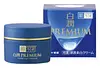
This brightening moisturizer is formulated around Tranexamic Acid and Tocopherol to fade the look of dark spots and brighten dull-looking skin.
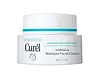
This barrier-repair moisturizer is formulated around Allantoin to strengthen the skin barrier and hydrate skin.

What's inside
What's inside
 Key Ingredients
Benefits
Concerns
Ingredients Side-by-side
Tranexamic Acid
Astringent




Cetyl Phosphate
EmulsifyingTocopherol
Antioxidant




Sodium Hyaluronate
Humectant
Hydrolyzed Hyaluronic Acid
Humectant
Squalane
Emollient
Butyrospermum Parkii Butter
Skin Conditioning




Dipropylene Glycol
HumectantDiglycerin
Humectant
Limnanthes Alba Seed Oil
Skin Conditioning
Dimethicone
Emollient
Glyceryl Stearate
Emollient
PEG-20 Sorbitan Isostearate
Emulsifying
Carbomer
Emulsion StabilisingEDTA
ChelatingHydroxyethylcellulose
Emulsion StabilisingSodium Metabisulfite
Antioxidant
Behenyl Alcohol
Emollient
Stearyl Alcohol
Emollient
Phenoxyethanol
Preservative
Methylparaben
Preservative

Tranexamic Acid, Cetyl Phosphate, Tocopherol, Sodium Hyaluronate, Hydrolyzed Hyaluronic Acid, Squalane, Butyrospermum Parkii Butter, Dipropylene Glycol, Diglycerin, Limnanthes Alba Seed Oil, Dimethicone, Glyceryl Stearate, PEG-20 Sorbitan Isostearate, Carbomer, EDTA, Hydroxyethylcellulose, Sodium Metabisulfite, Behenyl Alcohol, Stearyl Alcohol, Phenoxyethanol, Methylparaben
Water
Skin ConditioningGlycerin
Humectant
Cetyl-Pg Hydroxyethyl Palmitamide
Skin ConditioningTrisiloxane
Skin Conditioning
Dimethicone
Emollient
Hydrogenated Polydecene
EmollientPEG-3 Dimethicone
Skin Conditioning
Allantoin
Skin Conditioning
Magnesium Sulfate
Butylene Glycol
Humectant
Isostearyl Glyceryl Ether
Skin ConditioningPEG-12 Dimethicone
Skin Conditioning
Succinic Acid
BufferingSodium Hydroxide
BufferingEucalyptus Globulus Leaf Extract
Perfuming
Tocopherol
Antioxidant
Methylparaben
Preservative
Water, Glycerin, Cetyl-Pg Hydroxyethyl Palmitamide, Trisiloxane, Dimethicone, Hydrogenated Polydecene, PEG-3 Dimethicone, Allantoin, Magnesium Sulfate, Butylene Glycol, Isostearyl Glyceryl Ether, PEG-12 Dimethicone, Succinic Acid, Sodium Hydroxide, Eucalyptus Globulus Leaf Extract, Tocopherol, Methylparaben
Reviews
Ingredients Explained
These ingredients are found in both products.
Ingredients higher up in an ingredient list are typically present in a larger amount.
Dimethicone is a type of synthetic silicone created from natural materials such as quartz. It is also known as polydimethylsiloxane.
What it does:
Dimethicone comes in different viscosities:
Depending on the viscosity, dimethicone has different properties.
Ingredients lists don't always show which type is used, so we recommend reaching out to the brand if you have questions about the viscosity.
This ingredient is unlikely to cause irritation because it does not get absorbed into skin. However, people with silicone allergies should be careful about using this ingredient.
Note: Dimethicone may contribute to pilling. This is because it is not oil or water soluble, so pilling may occur when layered with products. When mixed with heavy oils in a formula, the outcome is also quite greasy.
Learn more about DimethiconeMethylparaben is a synthetic preservative and one of the most widely used in the world. It has a simple, but important job: prevent your products from going bad by stopping bacteria, yeast, and mold from growing.
Typical use levels are low, often 0.1-0.3%.
This is also one of the most heavily studied preservatives out there and major regulatory bodies have repeatedly given it the green light.
In 2023, the EU's Scientific Committee on Consumer Safety (SCCS) confirmed that this ingredient is safe up to 0.4% on its own, of up to 0.8% when mixed with other paraben esters.
Here's the science behind the noise behind parabens/hormones as well:
Methylparaben shows very weak estrogen-like activity in vitro tests (more than 1,000x weaker than your body's own estradiol). In vivo (live-organism) studies don't support a meaningful endocrine-disrupting effect either.
You get a stronger estrogenic effect from eating tofu, actually.
It's also a low sensitizer and allergic reactions are uncommon; they usually happen on damage or broken skin.
There is a caveat: France has proposed to formally re-examine its endocrine classification in 2025 so the regulatory conversation isn't fully closed as of yet.
But as it stands today, this ingredient is considered safe at permitted levels.
Learn more about MethylparabenTocopherol is a fat-soluble antioxidant known as Vitamin E.
You'll find this ingredient in the vast majority of skincare (for good reason). It works to neutralize free radicals, or unstable molecules generated by UV exposure, pollution, and other environmental stressors, before they can cause oxidative damage to your skin cells.
Topically applied tocopherol has been shown to protect against UV damage by ramping up the skin's own natural defense enzymes.
It also acts as a skin conditioning agent; some studies show that regular topical use can improve the skin's water-binding capacity over 2-4 weeks.
This ingredient is especially loved for being a team player. When combined with Vitamin C, the photoprotective effect of both ingredients roughly doubles and the combo also helps reduce UV-induced DNA damage.
This ingredient has some brightening potential but it's more of a prevention ingredient than spot-fader. Cell studies show it can slow down melanin production but it's worth noting that it's not the most powerful brightener out there.
In formulations, it also serves as a stabilizer that helps protect other oxidation-prone ingredients from degrading.
Concentrations usually range from 0.1-1% in most leave-on products.
Learn more about Tocopherol

