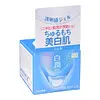
This brightening moisturizer is formulated around Tranexamic Acid and Magnesium Ascorbyl Phosphate to brighten dull-looking skin and fade the look of dark spots.
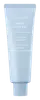
This barrier-repair moisturizer is formulated around Allantoin and Sodium Hyaluronate to strengthen the skin barrier and hydrate skin.


What's inside
What's inside
 Key Ingredients
Benefits
Concerns
Ingredients Side-by-side
Tranexamic Acid
Astringent




Allantoin
Skin Conditioning


Hydrolyzed Hyaluronic Acid
Humectant

Sodium Hyaluronate
Humectant
Magnesium Ascorbyl Phosphate
Antioxidant



Tocopherol
Antioxidant
Coix Lacryma-Jobi Ma-Yuen Seed Extract
Skin ConditioningBacillus/Coix Lacryma-Jobi Ma-Yuen Seed/Soybean Ferment Filtrate
Antioxidant
Butylene Glycol
Humectant
Phenoxyethanol
Preservative
Caprylic/Capric Triglyceride
Masking
EDTA
ChelatingPropanediol
Solvent
Pentylene Glycol
Skin Conditioning
Silica
Abrasive

Dimethicone
Emollient
Diglycerin
Humectant
Acrylates/Methacrylamide Copolymer
Polysorbate 80
Emulsifying

Glyceryl Stearate
Emollient
Succinic Acid
BufferingXanthan Gum
EmulsifyingTranexamic Acid, Allantoin, Hydrolyzed Hyaluronic Acid, Sodium Hyaluronate, Magnesium Ascorbyl Phosphate, Tocopherol, Coix Lacryma-Jobi Ma-Yuen Seed Extract, Bacillus/Coix Lacryma-Jobi Ma-Yuen Seed/Soybean Ferment Filtrate, Butylene Glycol, Phenoxyethanol, Caprylic/Capric Triglyceride, EDTA, Propanediol, Pentylene Glycol, Silica, Dimethicone, Diglycerin, Acrylates/Methacrylamide Copolymer, Polysorbate 80, Glyceryl Stearate, Succinic Acid, Xanthan Gum
Water
Skin ConditioningGlycerin
Humectant
Butylene Glycol
Humectant
1,2-Hexanediol
Skin Conditioning
Agave Americana Leaf Extract
Skin ConditioningAllantoin
Skin Conditioning
Sodium Hyaluronate
Humectant
Hydroxypropyltrimonium Hyaluronate
Hydrolyzed Hyaluronic Acid
Humectant
Sodium Acetylated Hyaluronate
Humectant
Hyaluronic Acid
Humectant
Hydrolyzed Sodium Hyaluronate
Skin Conditioning
Sodium Hyaluronate Crosspolymer
Humectant
Potassium Hyaluronate
Skin ConditioningArginine
Masking
Methyl Trimethicone
Skin Conditioning
Ethylhexylglycerin
Skin ConditioningAmmonium Acryloyldimethyltaurate/Vp Copolymer
Hydroxyethyl Acrylate/Sodium Acryloyldimethyl Taurate Copolymer
Emulsion StabilisingAcrylates/C10-30 Alkyl Acrylate Crosspolymer
Emulsion StabilisingHydrogenated Poly(C6-14 Olefin)
EmollientMethyl Diisopropyl Propionamide
MaskingDimethicone/Vinyl Dimethicone Crosspolymer
Skin Conditioning
Sorbitan Isostearate
Emulsifying
Disodium EDTA
ChelatingWater, Glycerin, Butylene Glycol, 1,2-Hexanediol, Agave Americana Leaf Extract, Allantoin, Sodium Hyaluronate, Hydroxypropyltrimonium Hyaluronate, Hydrolyzed Hyaluronic Acid, Sodium Acetylated Hyaluronate, Hyaluronic Acid, Hydrolyzed Sodium Hyaluronate, Sodium Hyaluronate Crosspolymer, Potassium Hyaluronate, Arginine, Methyl Trimethicone, Ethylhexylglycerin, Ammonium Acryloyldimethyltaurate/Vp Copolymer, Hydroxyethyl Acrylate/Sodium Acryloyldimethyl Taurate Copolymer, Acrylates/C10-30 Alkyl Acrylate Crosspolymer, Hydrogenated Poly(C6-14 Olefin), Methyl Diisopropyl Propionamide, Dimethicone/Vinyl Dimethicone Crosspolymer, Sorbitan Isostearate, Disodium EDTA
Reviews
Ingredients Explained
These ingredients are found in both products.
Ingredients higher up in an ingredient list are typically present in a larger amount.
Allantoin is a soothing ingredient known for its protective and moisturizing properties; it's basically a quiet workhorse ingredient you can find in a huge range of cosmetics.
Though it can be derived from the comfrey plant, allantoin is produced synthetically for cosmetic products to ensure purity.
Research shows it can encourage your skin cells to turn over and renew by stimulating keratinocyte and fibroblast proliferation.
It also has mild keratolytic properties to help loosen and shed dead skin cells without being harsh.
Studies also suggest allantoin can help calm inflammation by dialing down some of the chemical signals your skin sends out when it is irritated.
This ingredient is typically used in the 0.1-0.5% range, and the FDA recognizes it as a skin protectant in OTC products up to 2%.
Overall, allantoin is a wonderful addition to most routines; it is stable across a wide pH range (~4-8), works well with other ingredients, and is considered non-sensitizing/non-irritating.
Fun fact: Allantoin is naturally occurring in comfrey root, beets, chamomile, and wheat sprouts. Our bodies even produce it as a byproduct of uric acid metabolism.
Learn more about AllantoinButylene Glycol (or BG) is used within cosmetic products for a few different reasons:
Overall, Butylene Glycol is a safe and well-rounded ingredient that works well with other ingredients.
Though this ingredient works well with most skin types, some people with sensitive skin may experience a reaction such as allergic rashes, closed comedones, or itchiness.
Learn more about Butylene GlycolHydrolyzed Hyaluronic Acid is hyaluronic acid (HA) that is broken down into lower molecular weight fragments.
It's a humectant that pulls and holds water in the skin to help with hydration, plumpness, and reduce transepidermal water loss.
Because hydrolyzed hyaluronic acid is smaller in size, it can slip past your outermost layer of skin more easily than full-sized HA.
Most formulations will combine all sizes to get the best of both worlds.
Typical usage levels range from 0.01-1%. Any percentage higher than 2% might become goopy and tacky.
Learn more about Hydrolyzed Hyaluronic AcidSodium Hyaluronate is the salt form of hyaluronic acid. It is a long sugar chain that is naturally found in your skin, joints, and connective tissue that maintains hydration and elasticity.
In skincare, it works as a humectant. It pulls water from the environment and deeper layers of skin and binds it to the surface.
Interestingly, the size of the molecule affects its behavior:
Some clinical evidence links low molecular weight versions to improved wrinkle depth, elasticity, anti-inflammatory effects, and barrier repair.
Many serums use a blend of both weights so you can get surface hydration plus longer-lasting and deeper effects.
You'll typically see concentrations between 0.1-2% for this ingredient.
Learn more about Sodium Hyaluronate

