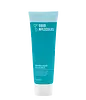
This mild cream cleanser is made to cleanse while calming and soothing your skin.
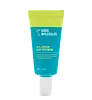
This calming treatment is formulated around Azelaic Acid and Bisabolol to calm redness and fade the look of dark spots.

What's inside
What's inside
 Key Ingredients
Benefits
Concerns
Ingredients Side-by-side
Water
Skin ConditioningDecyl Glucoside
Cleansing
Xylityl Cocoate
Emollient

Glycerin
Humectant


Potassium Azeloyl Diglycinate
Skin Conditioning




Passiflora Edulis Seed Oil
Emollient


Glycolipids
Skin ConditioningPropanediol
Solvent
Glycol Distearate
Emollient
Xylitylglucoside
Humectant
Xanthan Gum
EmulsifyingCarrageenan


Caprylyl Glyceryl Ether
Cleansing1,2-Hexanediol
Skin Conditioning
Anhydroxylitol
Humectant
Hydroxyacetophenone
Antioxidant
Citric Acid
Buffering

Xylitol
Humectant
Caprylhydroxamic Acid
ChelatingGlucose
Humectant
Ethylhexylglycerin
Skin ConditioningSodium Gluconate
ChelatingTocopherol
Antioxidant

Water, Decyl Glucoside, Xylityl Cocoate, Glycerin, Potassium Azeloyl Diglycinate, Passiflora Edulis Seed Oil, Glycolipids, Propanediol, Glycol Distearate, Xylitylglucoside, Xanthan Gum, Carrageenan, Caprylyl Glyceryl Ether, 1,2-Hexanediol, Anhydroxylitol, Hydroxyacetophenone, Citric Acid, Xylitol, Caprylhydroxamic Acid, Glucose, Ethylhexylglycerin, Sodium Gluconate, Tocopherol
Water
Skin ConditioningCaprylic/Capric/Succinic Triglyceride
EmollientAzelaic Acid
Buffering


Sorbitan Laurate
Emulsifying
C18-20 Glycol Isostearate
EmollientPentylene Glycol
Skin Conditioning
Glycerin
Humectant
Glycol Distearate
Emollient
Behenyl Alcohol
Emollient
Butylene Glycol
Humectant
Passiflora Edulis Seed Oil
Emollient
Polyacrylate Crosspolymer-11
Emulsion StabilisingSodium Polyacryloyldimethyl Taurate
Emulsion StabilisingArginine
Masking
Bisabolol
Antioxidant
Ethylhexylglycerin
Skin ConditioningCentella Asiatica Leaf Vesicles
Zingiber Officinale Root Extract
Masking
Tocopherol
Antioxidant
Water, Caprylic/Capric/Succinic Triglyceride, Azelaic Acid, Sorbitan Laurate, C18-20 Glycol Isostearate, Pentylene Glycol, Glycerin, Glycol Distearate, Behenyl Alcohol, Butylene Glycol, Passiflora Edulis Seed Oil, Polyacrylate Crosspolymer-11, Sodium Polyacryloyldimethyl Taurate, Arginine, Bisabolol, Ethylhexylglycerin, Centella Asiatica Leaf Vesicles, Zingiber Officinale Root Extract, Tocopherol
Reviews
Ingredients Explained
These ingredients are found in both products.
Ingredients higher up in an ingredient list are typically present in a larger amount.
Ethylhexylglycerin is created from glycerin. It is a multitasker ingredient that:
The CIR Expert Panel found minimal skin absorption or sensitization of any kind in a safety assessment. Though this ingredient is considered well-tolerated, a small number of cases of allergic dermatitis have been published since 2002. Just be sure to patch test if you are unsure.
Industry-reported use ranges from 8% in rinse-off products and 2% in leave-on formulations.
Learn more about EthylhexylglycerinGlycerin (or glycerol) is a compound naturally found in your skin. It's a powerhouse humectant that pulls water into the stratum corneum.
Topically, glycerin does several things at once:
Your skin makes glycerin on its own (mostly from sebaceous oil breakdown) and shuttles it to your outermost layer of skin, or your epidermis, via aquaporin-3.
Aquaporin-3 is a transporter that is essential for normal skin hydration, elasticity, and repair. Interestingly, mice lacking in AQP3 have dry and less elastic skin that can be fully corrected with glycerin.
This ingredient is non-irritating, plays well with almost every ingredient, and works across all skin types. Typical use is anywhere between 3-10% but can go up to 79% in some leave-on products.
Just know very high concentrations (>40%) can feel tacky in low humidity.
Glycerin is the name for this ingredient in American English. British English uses Glycerol/Glycerine.
Learn more about GlycerinGlycol Distearate is an emulsifier and emollient that adds a "pearly" appearance to formulations.
That lustrous look you see in many shampoos is due to this ingredient: when cooled, it crystallizes into small platelets that reflect light to give products that rich, shimmering look.
This ingredient is considered safe at present practices of use and concentration and repeated insult patch test with 50% Glycol Distearate on 125 subjects found no evidence of skin irritation, hypersensitivity, or acute toxicity.
Typical use concentrations range from 0.1-10%.
Because it's an ester of stearic acid, it falls into the range that Malassezia likes to metabolize. This ingredient may not be fungal acne safe.
Learn more about Glycol DistearatePassiflora Edulis Seed Oil is a lightweight plant oil from the seeds of passion fruit.
This oil supports skin hydration because it is packed with linoleic acid (56-73%), oleic acid (14-20%), palmitic acid, and stearic acids. It also contains vitamin E and other antioxidants, like carotenoids.
In vitro research has shown that passion fruit seed extracts can inhibit the enzymes that break down collagen and elastin in the skin.
While this ingredient is considered well-tolerated, some cases of contact dermatitis have been reported with the Passiflora plant's vines and leaves itself. As with any ingredient, a patch test is a great idea if you are unsure.
This may not be suitable for fungal acne-prone skin due to the fatty acid content.
Learn more about Passiflora Edulis Seed OilTocopherol is a fat-soluble antioxidant known as Vitamin E.
You'll find this ingredient in the vast majority of skincare (for good reason). It works to neutralize free radicals, or unstable molecules generated by UV exposure, pollution, and other environmental stressors, before they can cause oxidative damage to your skin cells.
Topically applied tocopherol has been shown to protect against UV damage by ramping up the skin's own natural defense enzymes.
It also acts as a skin conditioning agent; some studies show that regular topical use can improve the skin's water-binding capacity over 2-4 weeks.
This ingredient is especially loved for being a team player. When combined with Vitamin C, the photoprotective effect of both ingredients roughly doubles and the combo also helps reduce UV-induced DNA damage.
This ingredient has some brightening potential but it's more of a prevention ingredient than spot-fader. Cell studies show it can slow down melanin production but it's worth noting that it's not the most powerful brightener out there.
In formulations, it also serves as a stabilizer that helps protect other oxidation-prone ingredients from degrading.
Concentrations usually range from 0.1-1% in most leave-on products.
Learn more about TocopherolWater. It's the most common cosmetic ingredient of all. You'll usually see it at the top of ingredient lists, meaning that it makes up the largest part of the product.
So why is it so popular? Water most often acts as a solvent - this means that it helps dissolve other ingredients into the formulation.
You'll also recognize water as that liquid we all need to stay alive. If you see this, drink a glass of water. Remember to stay hydrated!
Learn more about Water

