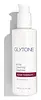
This salicylic acid gel cleanser is formulated around Salicylic Acid to clear breakouts and unclog pores.

What's inside
What's inside
 Key Ingredients
Benefits
Concerns
Ingredients Side-by-side
Salicylic Acid 2%
Masking










Water
Skin ConditioningMethylpropanediol
SolventPolyacrylate Crosspolymer-6
Emulsion StabilisingSodium Lauroyl Sarcosinate
CleansingHexylene Glycol
EmulsifyingCapryloyl Glycine
CleansingCleome Gynandra Leaf Extract
AntiseborrhoeicPropanediol
Solvent

Xylitylglucoside
Humectant
Sodium Hydroxide
BufferingSodium Benzoate
Masking
Potassium Sorbate
Preservative
Lauric Acid
Cleansing


T-Butyl Alcohol
Perfuming


Sodium Chloride
MaskingTetrasodium EDTA
ChelatingSalicylic Acid 2%, Water, Methylpropanediol, Polyacrylate Crosspolymer-6, Sodium Lauroyl Sarcosinate, Hexylene Glycol, Capryloyl Glycine, Cleome Gynandra Leaf Extract, Propanediol, Xylitylglucoside, Sodium Hydroxide, Sodium Benzoate, Potassium Sorbate, Lauric Acid, T-Butyl Alcohol, Sodium Chloride, Tetrasodium EDTA
Water
Skin ConditioningAmmonium Lauryl Sulfate
Cleansing
Glycolic Acid
Buffering




Potassium Hydroxide
BufferingGlycerin
Humectant
Cocamidopropyl Betaine
Cleansing
Lauramine Oxide
CleansingPolyacrylate Crosspolymer-6
Emulsion StabilisingSodium Benzoate
Masking
Imidazolidinyl Urea
Preservative
Blue 1 Lake
Cosmetic ColorantCamellia Sinensis Leaf Extract
Antimicrobial


Lauryl Alcohol
Emollient
Sodium Chloride
MaskingT-Butyl Alcohol
Perfuming
Cocamidopropyl Dimethylamine
Emulsifying
Tetrasodium EDTA
ChelatingChloroacetic Acid
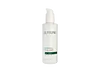
Water, Ammonium Lauryl Sulfate, Glycolic Acid, Potassium Hydroxide, Glycerin, Cocamidopropyl Betaine, Lauramine Oxide, Polyacrylate Crosspolymer-6, Sodium Benzoate, Imidazolidinyl Urea, Blue 1 Lake, Camellia Sinensis Leaf Extract, Lauryl Alcohol, Sodium Chloride, T-Butyl Alcohol, Cocamidopropyl Dimethylamine, Tetrasodium EDTA, Chloroacetic Acid
Ingredients Explained
These ingredients are found in both products.
Ingredients higher up in an ingredient list are typically present in a larger amount.
Polyacrylate Crosspolymer-6 is a texture enhancer and pH adjuster.
It is be used to thicken water-based products and create a gel-texture with a velvet feel.
One manufacturer claims this ingredient to have a pH range of 2-8 and to be biodegradable.
This ingredient is also known as Sepimax Zen.
Learn more about Polyacrylate Crosspolymer-6Sodium Benzoate is a preservative. It's used in both cosmetic and food products to inhibit the growth of mold and bacteria. It is typically produced synthetically.
Both the US FDA and EU Health Committee have approved the use of sodium benzoate. In the US, levels of 0.1% (of the total product) are allowed.
Sodium benzoate works as a preservative by inhibiting the growth of bacteria inside of cells. It prevents the cell from fermenting a type of sugar using an enzyme called phosphofructokinase.
It is the salt of benzoic acid. Foods containing sodium benzoate include soda, salad dressings, condiments, fruit juices, wines, and snack foods.
Studies for using ascorbic acid and sodium benzoate in cosmetics are lacking, especially in skincare routines with multiple steps.
We always recommend speaking with a professional, such as a dermatologist, if you have any concerns.
Learn more about Sodium BenzoateChances are, you eat sodium chloride every day. Sodium Chloride is also known as table salt. This ingredient has many purposes in skincare: thickener, emulsifier, and exfoliator.
You'll most likely find this ingredient in cleansers where it is used to create a gel-like texture. As an emulsifier, it also prevents ingredients from separating.
You might see people debate whether Sodium Chloride is comedogenic, but there actually haven't been any comedogenic tests done on it. Either way, the overall formulation of a product matters a lot more than any single ingredient.
You might see this ingredient used in scrubs as a primary exfoliating ingredient.
Learn more about Sodium ChlorideT-Butyl Alcohol (aka tert-butanol) is a small, clear, camphor-smelling alcohol.
It has two main jobs:
On the safety side, it's well-studied and has a solid track record. Human repeat-insult patch testing showed no skin irritation or sensitization even at 100%.
Typical use levels are pretty tiny, usually less than 1%.
You might see some fear-mongering around this ingredient:
Studies in male rats showed kidney effects but that's because of a rat-specific protein that humans don't make. So this study isn't really relevant to humans.
Though it's not a typical fragrance like parfum, it does have a natural scent. That's why the official COSIng database lists it as 'perfuming' ingredient. It can be used to modify the scent of a formula.
Learn more about T-Butyl AlcoholTetrasodium EDTA is the salt formed from neutralizing ethylenediamine tetraacetic acid with sodium hydroxide. It is a chelating agent and used to prevent metal ions from binding to other ingredients. This helps keep the product and ingredients stable.
Tetrasodium EDTA comes as a white solid and is soluble in water.
Water. It's the most common cosmetic ingredient of all. You'll usually see it at the top of ingredient lists, meaning that it makes up the largest part of the product.
So why is it so popular? Water most often acts as a solvent - this means that it helps dissolve other ingredients into the formulation.
You'll also recognize water as that liquid we all need to stay alive. If you see this, drink a glass of water. Remember to stay hydrated!
Learn more about Water

