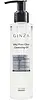
This oil-based makeup remover is made to dissolve makeup, sunscreen, and daily buildup.
This oil-based makeup remover is made to dissolve makeup, sunscreen, and daily buildup.


What's inside
What's inside
 Key Ingredients
Benefits
Concerns
Ingredients Side-by-side
Paraffinum Liquidum
Emollient


Isononyl Isononanoate
EmollientPEG-20 Glyceryl Triisostearate
Emollient

Propanediol Dicaprylate/Caprate
EmollientTriethylhexanoin
Masking





Paraffinum Liquidum, Isononyl Isononanoate, PEG-20 Glyceryl Triisostearate, Propanediol Dicaprylate/Caprate, Triethylhexanoin, Pentaerythrityl Tetraethylhexanoate, Hydrogenated Polyisobutene, Phenoxyethanol, Centella Asiatica Extract, Cereus Grandiflorus Flower Extract, BHT, Capryloyl Salicylic Acid, Parfum, Water
Cetyl Ethylhexanoate
EmollientSorbeth-30 Tetraoleate
Emulsifying
Caprylic/Capric Triglyceride
Masking


Helianthus Annuus Seed Oil
Emollient
Oryza Sativa Bran Oil
Emollient

Lactobacillus/Soymilk Ferment Filtrate
Skin ConditioningCapryloyl Salicylic Acid
Exfoliating




Saccharomyces/Rice Ferment Filtrate
Skin Conditioning
Saponaria Officinalis Leaf Extract
AntimicrobialTocopherol
Antioxidant



Butylene Glycol
Humectant
Pentylene Glycol
Skin Conditioning
Water
Skin ConditioningCaprylyl Glycol
Emollient
1,2-Hexanediol
Skin Conditioning
Cetyl Ethylhexanoate, Sorbeth-30 Tetraoleate, Caprylic/Capric Triglyceride, Helianthus Annuus Seed Oil, Oryza Sativa Bran Oil, Lactobacillus/Soymilk Ferment Filtrate, Capryloyl Salicylic Acid, Saccharomyces/Rice Ferment Filtrate, Saponaria Officinalis Leaf Extract, Tocopherol, Butylene Glycol, Pentylene Glycol, Water, Caprylyl Glycol, 1,2-Hexanediol
Reviews
Ingredients Explained
These ingredients are found in both products.
Ingredients higher up in an ingredient list are typically present in a larger amount.
Capryloyl Salicylic Acid comes from salicylic acid, the famous acne-fighting BHA.
It usually goes by a more common name of LHA, or lipohydroxy acid.
Like salicylic acid, this ingredient is a chemical exfoliant that can help break down the oil in your pores and reduce inflammation.
Though studies for LHA do show it to be less effective than salicylic acid. To be fair, salicylic acid is the reigning monarch of acne treatments.
However, a study from 2009 found LHA to be comparable to BPO, making it a good alternative for people with sensitive skin. Another study of 14 patients found a significant decrease in comedones after using LHA.
Another pro of LHA? It is less irritating than salicylic acid due to its large molecule size.
Large molecules cannot penetrate skin as well, so they are gentler on the skin. LHA is much less penetrative than salicylic acid.
An in-vitro study (not done on a living organism) found only 6% of LHA penetrated past the statum corneum compared to 58% of salicylic acid. An in-vivo (done on a living organism) analysis revealed ~17% of LHA was still present in the top layer of skin after 4 days, versus ~9% of salicylic acid.
Interestingly, a study from 2008 found LHA comparable to another famous acid, glycolic acid.
This study found about 10% of LHA is as effective as 20-50% of glycolic acid in treating hyperpigmentation and fine-lines.
Hydroxy acids have been found to stimulate skin protein, lipids, and thermal thickening. This may have anti-aging benefits.
Learn more about Capryloyl Salicylic AcidWater. It's the most common cosmetic ingredient of all. You'll usually see it at the top of ingredient lists, meaning that it makes up the largest part of the product.
So why is it so popular? Water most often acts as a solvent - this means that it helps dissolve other ingredients into the formulation.
You'll also recognize water as that liquid we all need to stay alive. If you see this, drink a glass of water. Remember to stay hydrated!
Learn more about Water

