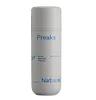
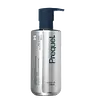
Freaks Of Nature Barrier Balancing Cleanser Versus Prequel Gleanser + Glycolic Non-Drying Glycolic Acid Cleanser For Face + Body
This mild gel cleanser is made to cleanse while respecting your skin barrier.
This glycolic acid cream cleanser is formulated around Glycolic Acid to exfoliate and smooth skin.

What's inside
What's inside
 Key Ingredients
Benefits
Concerns
Ingredients Side-by-side
Glycerin
Humectant


Sodium Cocoyl Apple Amino Acids
Foam Boosting
Sucrose Stearate
EmollientBetaine
Humectant
Saccharomyces Ferment
Skin Conditioning

Aspergillus Ferment
Skin ConditioningVitis Vinifera Seed Oil
Emollient

Oryza Sativa Bran Oil
Emollient
Squalane
Emollient
Tocopherol
Antioxidant



Avena Sativa Kernel Oil
Skin Conditioning
Camellia Oleifera Seed Oil
Skin Conditioning
Spirulina Platensis Extract
Skin ProtectingTrehalose
Humectant
Sodium Citrate
BufferingGlycerin
Humectant
Water
Skin ConditioningSodium Cocoyl Isethionate
Cleansing
Glycolic Acid
Buffering






Cocamidopropyl Betaine
Cleansing
Sodium Hydroxide
BufferingPolyglyceryl-10 Tristearate
Skin Conditioning
Coco-Glucoside
Cleansing
Inulin
Skin Conditioning
Glycol Distearate
Emollient
Polyquaternium-10
Phenoxyethanol
Preservative
Ethylhexylglycerin
Skin ConditioningTetrasodium Glutamate Diacetate
ChelatingLecithin
Emollient
Xanthan Gum
Emulsifying
Reviews
Ingredients Explained
These ingredients are found in both products.
Ingredients higher up in an ingredient list are typically present in a larger amount.
Glycerin (or glycerol) is a compound naturally found in your skin. It's a powerhouse humectant that pulls water into the stratum corneum.
Topically, glycerin does several things at once:
Your skin makes glycerin on its own (mostly from sebaceous oil breakdown) and shuttles it to your outermost layer of skin, or your epidermis, via aquaporin-3.
Aquaporin-3 is a transporter that is essential for normal skin hydration, elasticity, and repair. Interestingly, mice lacking in AQP3 have dry and less elastic skin that can be fully corrected with glycerin.
This ingredient is non-irritating, plays well with almost every ingredient, and works across all skin types. Typical use is anywhere between 3-10% but can go up to 79% in some leave-on products.
Just know very high concentrations (>40%) can feel tacky in low humidity.
Glycerin is the name for this ingredient in American English. British English uses Glycerol/Glycerine.
Learn more about Glycerin

