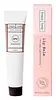
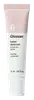
frank body Lip Balm Versus Glossier Balm Dotcom
This lip moisturizer is formulated around Olea Europaea Fruit Oil to hydrate lips.
This lip moisturizer is formulated around Petrolatum and Ricinus Communis Seed Oil to hydrate lips.


What's inside
What's inside
 Key Ingredients
Benefits
Concerns
Ingredients Side-by-side
Lanolin
Emollient




Lanolin Cera
EmollientOlea Europaea Fruit Oil
Masking



Coco-Caprylate/Caprate
Emollient
Beeswax
Emulsion Stabilising
Carthamus Tinctorius Seed Oil
Masking
Tricaprylin
Perfuming
Vitis Vinifera Seed Oil
Emollient
Olus Oil
Emollient
Cocos Nucifera Oil
Masking
Coffea Arabica Seed Oil
Masking
Vitis Vinifera Fruit Extract
Skin ConditioningTocopherol
Antioxidant





Glycine Soja Oil
Emollient
Stevioside
MaskingCaprylic/Capric Triglyceride
Masking
Ethyl Macadamiate
Skin Conditioning
Lanolin, Lanolin Cera, Olea Europaea Fruit Oil, Coco-Caprylate/Caprate, Beeswax, Carthamus Tinctorius Seed Oil, Tricaprylin, Vitis Vinifera Seed Oil, Olus Oil, Cocos Nucifera Oil, Coffea Arabica Seed Oil, Vitis Vinifera Fruit Extract, Tocopherol, Glycine Soja Oil, Stevioside, Caprylic/Capric Triglyceride, Ethyl Macadamiate
Reviews
Ingredients Explained
These ingredients are found in both products.
Ingredients higher up in an ingredient list are typically present in a larger amount.
Lanolin is a waxy substance secreted by the sebaceous glands of wool-bearing sheep. It is an effective moisturizer that works as both a humectant and emollient.
As a humectant, it is able to absorb up to 400% of its own weight in water; this also gives it emulsifying properties as it can help stabilize water-in-oil emulsions.
On the other hand, lanolin is able to reduce transepidermal water loss (TEWL) by about 20-30%. It can also incorporate into the lipid matrix to surround skin cells and reinforce the skin barrier.
This is why you'll see lanolin as an ingredient for heavy-duty moisturizers.
You might have seen an "allergy concern" that gives lanolin a bad reputation. The rate of lanolin contact allergy in the general population is estimated to be under 0.5%, and most of these are seen in people with compromised-skin dealing with eczema, atopic dermatitis, or leg ulcers.
Healthy, intact skin tolerates lanolin well. Even people who have previously reacted to it test negative on patch tests when the test is done on normal skin.
Because lanolin comes from an animal, it is not considered vegan. Sheep secrete lanolin through sebaceous glands to help protect their skin from the environment.
Lanolin has a reputation as pore clogging but that comes almost entirely from rabbit ear testing done decades ago (and that model has aged badly).
This ingredient does have a comedogenic rating of 0-1; the tests state this score means the ingredient has low or non-existent chance of clogging your pores.
Keep in mind that the authors of the rabbit ear test proposed that a material needs to score consistently above 3 in the rabbit assay before it means anything for real skin.
A separate review found the model has serious performance problems and no correlation with human experience. Concentration matters a lot too: in one study, Acetylated Lanolin Alcohol scored 4 to 5 at full strength but dropped to a 1 when diluted to 2.5%, and finished products containing "comedogenic" ingredients didn't raise microcomedone counts in people.
Lanolin contains esters exactly in the range that the Malassezia yeast can synthesize, making this ingredient not fungal acne safe.
Learn more about LanolinTocopherol is a fat-soluble antioxidant known as Vitamin E.
You'll find this ingredient in the vast majority of skincare (for good reason). It works to neutralize free radicals, or unstable molecules generated by UV exposure, pollution, and other environmental stressors, before they can cause oxidative damage to your skin cells.
Topically applied tocopherol has been shown to protect against UV damage by ramping up the skin's own natural defense enzymes.
It also acts as a skin conditioning agent; some studies show that regular topical use can improve the skin's water-binding capacity over 2-4 weeks.
This ingredient is especially loved for being a team player. When combined with Vitamin C, the photoprotective effect of both ingredients roughly doubles and the combo also helps reduce UV-induced DNA damage.
This ingredient has some brightening potential but it's more of a prevention ingredient than spot-fader. Cell studies show it can slow down melanin production but it's worth noting that it's not the most powerful brightener out there.
In formulations, it also serves as a stabilizer that helps protect other oxidation-prone ingredients from degrading.
Concentrations usually range from 0.1-1% in most leave-on products.
Learn more about Tocopherol

