Fitglow Beauty Sea Ceramide Toning Mist Versus CeraCode Barrier Essence Toner 7X Ceramide Tremella and Tripeptides
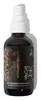
This hydrating toner is formulated around Aloe Barbadensis Leaf Juice and Ceramide NP to hydrate skin and calm redness.
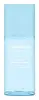
This barrier-repair toner is formulated around Tremella Fuciformis Extract and Ceramide Ns to strengthen the skin barrier and calm redness.


What's inside
What's inside
 Key Ingredients
Benefits
Concerns
Ingredients Side-by-side
Water
Skin ConditioningAloe Barbadensis Leaf Juice
Skin Conditioning


Maris Sal
Skin ConditioningSodium Levulinate
Skin ConditioningCalendula Officinalis Flower Extract
Masking
Chamomilla Recutita Flower Extract
Masking
Chlorella Vulgaris Extract
Skin ConditioningSodium Anisate
AntimicrobialGlycerin
Humectant
Propanediol
Solvent
Sodium Benzoate
Masking
Citric Acid
Buffering


Caprylic/Capric Triglyceride
Masking
Ceramide NP
Skin Conditioning

Hyaluronic Acid
Humectant
Potassium Sorbate
Preservative
Helianthus Annuus Seed Oil
Emollient

Laminaria Ochroleuca Extract
Skin Conditioning
Arnica Montana Flower Extract
Masking
Lactic Acid
Buffering





Tocopherol
Antioxidant

Water, Aloe Barbadensis Leaf Juice, Maris Sal, Sodium Levulinate, Calendula Officinalis Flower Extract, Chamomilla Recutita Flower Extract, Chlorella Vulgaris Extract, Sodium Anisate, Glycerin, Propanediol, Sodium Benzoate, Citric Acid, Caprylic/Capric Triglyceride, Ceramide NP, Hyaluronic Acid, Potassium Sorbate, Helianthus Annuus Seed Oil, Laminaria Ochroleuca Extract, Arnica Montana Flower Extract, Lactic Acid, Tocopherol
Onsen-Sui
Water
Skin ConditioningPropylene Glycol
Humectant
Sorbitol
Humectant
Erythritol
Humectant
Arnica Montana Extract
Skin ConditioningCorallina Officinalis Extract
Skin Conditioning
Galactomyces Ferment Filtrate
Humectant
Saxifraga Stolonifera Leaf Powder
Skin ConditioningTremella Fuciformis Extract
Humectant
Ceramide Ns
Skin Conditioning
Ceramide NP
Skin Conditioning
Ceramide Ng
Skin Conditioning
Ceramide Eos
Skin Conditioning
Ceramide EOP
Skin Conditioning
Ceramide As
Skin Conditioning
Ceramide AP
Skin Conditioning
Oligopeptide-1
Skin Conditioning
Acetyl Hexapeptide-8
Humectant
Palmitoyl Tripeptide-1
Skin Conditioning
Carbomer
Emulsion StabilisingTriethanolamine
BufferingHydroxyacetophenone
Antioxidant
Caprylhydroxamic Acid
ChelatingEthylhexylglycerin
Skin ConditioningGlyceryl Caprylate
EmollientOnsen-Sui, Water, Propylene Glycol, Sorbitol, Erythritol, Arnica Montana Extract, Corallina Officinalis Extract, Galactomyces Ferment Filtrate, Saxifraga Stolonifera Leaf Powder, Tremella Fuciformis Extract, Ceramide Ns, Ceramide NP, Ceramide Ng, Ceramide Eos, Ceramide EOP, Ceramide As, Ceramide AP, Oligopeptide-1, Acetyl Hexapeptide-8, Palmitoyl Tripeptide-1, Carbomer, Triethanolamine, Hydroxyacetophenone, Caprylhydroxamic Acid, Ethylhexylglycerin, Glyceryl Caprylate
Ingredients Explained
These ingredients are found in both products.
Ingredients higher up in an ingredient list are typically present in a larger amount.
Ceramide NP (formerly known as Ceramide 3) is one of the skin's naturally occurring lipids.
Since ceramides are the major lipid components of the skin, they are crucial for maintaining skin barrier and hydration. Ceramide NP most closely mirrors the dominant kind in human skin amongst ceramide subtypes.
This ceramide works by slotting into gaps within the stratum corneum's lipid matrix to limit trans-epidermal water loss (TEWL) and shield the skin against external irritants.
A study with 312 patients found that using a ceramide-containing routine for 4 weeks reduced the severity of atopic dermatitis by over 61%.
Another clinical study in subjects aged 60 and older found that a ceramide body wash and moisturizer improved skin dryness and itchy skin in 15 days.
Overall, ceramides are considered non-irritating and safety tests have found little to no observable adverse effects from using this ingredient.
Ceramide NP is usually sourced from plants (like soybean or rice bran), or produced synthetically.
Learn more about Ceramide NPWater. It's the most common cosmetic ingredient of all. You'll usually see it at the top of ingredient lists, meaning that it makes up the largest part of the product.
So why is it so popular? Water most often acts as a solvent - this means that it helps dissolve other ingredients into the formulation.
You'll also recognize water as that liquid we all need to stay alive. If you see this, drink a glass of water. Remember to stay hydrated!
Learn more about Water

